Imagine walking into a massive, dusty library to find one specific answer
Imagine walking into a massive, dusty library to find one specific answer. You spend hours scanning index cards and pulling heavy books from shelves, hoping to stumble upon the right page. That was the old search experience. You had to learn the system’s language—the right keywords—just to get a list of books that might contain your solution.
Today, the landscape has changed. It is more like having a conversation with a brilliant, well-read colleague who has read every book in that library. You don’t have to navigate indices; you simply ask a question and get a distilled, thoughtful answer immediately. For those of us used to the index card era, this shift feels like trying to learn a new language while the ground is moving beneath our feet.
If you are feeling overwhelmed by terms like generative search optimization and the rapid changes in AI-driven visibility, you are not alone. The future of SEO is less about pleasing an algorithm and more about being genuinely helpful to a user. This guide helps you shift your perspective, ensuring your brand remains a trusted voice in this new, conversational world.
The New Search Era: Why Keywords Are No Longer Enough
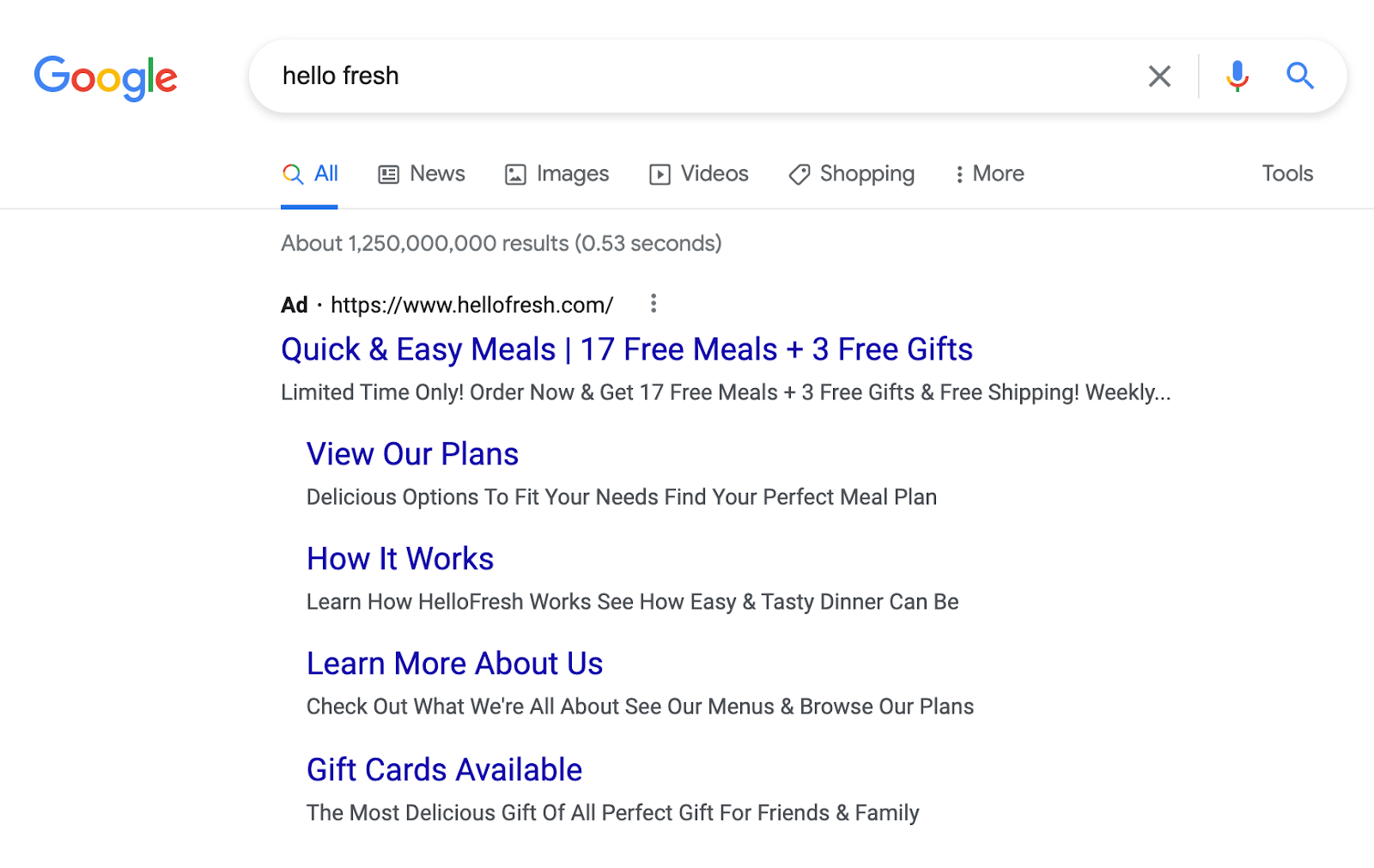
For years, the game of search was simple: you identified a high-volume keyword, sprinkled it across your page, and hoped the search engine’s algorithm would reward your site with a blue-link ranking. Traditional search engines functioned like a high-tech library index, pointing you toward a collection of documents that might contain the answer you needed. You clicked, you scanned, and you eventually pieced together the information yourself.
Generative search, however, is a fundamental shift in the future of SEO. Instead of providing a list of links to scan, AI-powered systems now synthesize information to deliver a direct, conversational answer to your question. Think of it less like an index and more like a helpful expert who has read every book on the shelf and summarizes the findings just for you. For business owners, this means the goalposts have moved: it is no longer enough to be listed; you must be the source of the answer.
Understanding Generative Search Optimization (GEO)
Generative Search Optimization (GEO) is the practice of designing your digital content to act as the primary, helpful, and authoritative answer to a user’s specific query. While traditional SEO asks, "How can I rank for this keyword?", GEO asks, "How can I provide the most accurate and concise solution to this user’s problem?"
If you want to master generative AI marketing, your content strategy must prioritize clarity, logical structure, and factual accuracy. When an AI model generates a summary for a user, it looks for content that is easy to parse, naturally answers the question, and demonstrates deep expertise. This isn’t about gaming a system; it is about making your information the most useful material for an AI to cite.
Comparing Traditional SEO and Modern GEO
To adapt your AI content strategy, it helps to see exactly how the focus of your work needs to shift. The following table highlights the core differences between the old way of thinking and the new, answer-driven approach:
| Feature | Keyword-Focused SEO | Answer-Focused GEO |
|---|---|---|
| Primary Goal | Rank for specific terms | Provide the best answer |
| Output | List of links | Direct summary/snippet |
| Success Metric | Click-through rates | Citation/Inclusion rate |
| Content Style | Often repetitive/stuffed | Clear, concise, helpful |
| User Need | Discovery | Immediate resolution |
Learning how to optimize for AI search requires moving away from the hunt for search volume and toward the pursuit of relevance. By positioning your content as the go-to resource for your niche, you ensure your brand stays visible even as the interface of search evolves.
Writing Content That AI Actually Wants to Read
To succeed in the world of generative search optimization, you must stop writing for algorithms obsessed with exact-match keywords and start writing for models that crave clarity, logic, and authority. When an AI scans your page, it isn’t looking for a high frequency of specific search terms; it is evaluating whether your content provides a direct, context-rich answer to a user’s query.
If you want to remain relevant in the future of SEO, you need to structure your information so that an AI can easily extract the core value and present it as the definitive answer to a human user. According to AEO/GEO, providing clear, verifiable information is the most effective way to gain AI citations.
Prioritizing Context Over Keywords
AI models operate by processing vast amounts of data to predict the most helpful response. When you stuff content with keywords, you actually muddy the waters, making it harder for the model to identify the actual intent behind your writing. Instead of focusing on keyword density, focus on contextual depth. Use clear, descriptive headings, bullet points for lists, and concise, high-value paragraphs that define concepts clearly.
Authority is equally vital. AI models are trained to prioritize content from sources that demonstrate expertise. You can build this authority by citing reliable statistics, referencing original research, or providing unique, first-hand insights that generic content farms cannot replicate. Think of your AI content strategy as an opportunity to build trust; if the AI can rely on your content as a factual, well-organized foundation, it is far more likely to cite your brand in its generated response.
The Before and After of AI Readability
To understand how to shift your approach, look at how you can transform a standard, keyword-stuffed paragraph into a piece of content that an AI can easily digest and favor.
| Approach | Example Content |
|---|---|
| Old SEO (Keyword) | If you are looking for how to optimize for AI search, you should know that generative AI marketing requires a solid strategy. We provide the best tips on how to optimize for AI search because it is important… |
| AI-Ready (Answer) | To succeed in generative AI marketing, businesses must prioritize directness. A successful AI content strategy hinges on three pillars: Direct Answers, Logical Structure, and Contextual Authority. |
The difference is clear. The second version provides actionable, structured data that a machine can parse and use immediately, whereas the first version forces the machine to hunt for the actual answer. When you refine your writing to be this precise, you aren’t just pleasing a bot—you are creating a better experience for the human reader as well.
How to Start Preparing Your Brand Today
Transitioning to generative search optimization doesn’t require a complete overhaul of your marketing department. Instead, it demands a shift in focus from volume to value. The "less is more" approach is your greatest asset here; AI models prefer crisp, definitive answers over long-winded fluff. By curating content that directly addresses specific user needs, you position your brand as a reliable source in an AI-driven ecosystem.
To begin, you must be surgical about where your brand provides the most value. Think of this as defining your "Expertise Area." If you are a boutique coffee roaster, your expertise isn’t just selling beans—it’s educating people on pour-over techniques, bean origins, and water temperature. Focus your efforts on these high-authority topics where your brand can provide the most helpful, unique insights.
Your Simple Content Refresh Process
You don’t need to rewrite your entire website overnight. Use this four-step process to audit and improve your existing assets. This systematic approach ensures your content is ready for the future of SEO while maintaining a human touch.
- Identify Your Core Questions: List the top 10 questions your customers ask during discovery calls or support chats. These are your "seed topics" for generative search.
- Audit for Answerability: Scan your current blog posts or product pages. Ask yourself, "If a user asked this specific question, does my content provide a clear, one-paragraph answer?"
- Draft Direct FAQ Modules: Insert FAQ sections at the bottom of your pages. Use the exact question format, followed by a 50-75 word answer that uses simple, declarative language.
- Clean Up Structure: Use clear, descriptive H2 and H3 headings to break up long text. AI models parse structured, modular content much more effectively than walls of text.
Embracing the Less Is More Mindset
When you refine your content, prioritize clarity above all else. Many brands make the mistake of over-explaining or including redundant adjectives just to hit a word count goal. For generative AI marketing, this backfires. AI models thrive on information density. If a paragraph can be cut by 30% without losing its core message, cut it.
The move from chasing blue links to providing definitive, conversational answers represents a fundamental change in how we connect with our audiences. You are no longer just fighting for a spot on a results page; you are now actively participating in a dialogue with AI. This shift toward generative search optimization requires a fresh perspective, but it is not a mountain you must climb overnight.
Think of your website as a growing library. You don’t need to reorganize every shelf today. Start small: choose one key question your customers frequently ask and craft the most clear, helpful, and direct answer possible. By treating your content as a conversation rather than a static keyword repository, you become a trusted resource that AI models are eager to cite. Becoming AI-ready is a continuous, rewarding journey of refining how you share your expertise. Keep the conversation going and stay curious; your brand will naturally find its place in this new era of search. For more guidance on this transition, refer back to our core pillar content regarding the future of SEO.
AEO/GEO
Want to learn more?
Contact us for direct consultation and support.