Platform Landscapes and Audience Dynamics
The era of short-form video is no longer an emerging trend; it is the dominant mode of digital communication. Since the discontinuation of Vine in 2016, platforms like Snapchat, TikTok, and Instagram Reels have filled the void, capturing the attention of Gen Z and millennial audiences with mobile-first, ephemeral, or looping content. These apps offer a more niche, creative, and less traditional alternative to legacy networks like Facebook or Twitter, driving significant user engagement and brand visibility.

Snapchat, launched in 2011, pioneered the concept of disappearing content, allowing users to share video-based stories and messages that expire after viewing or within 24 hours. This ephemerality fosters a more lighthearted, uncensored, and authentic environment. TikTok, arriving in 2017, introduced algorithmically driven feeds where 10-to-60-second looping videos are served to users based on interest rather than social graph, enabling rapid viral discovery. Instagram Reels, introduced in late 2020, emerged as a direct response to TikTok, offering similar creative tools but integrated within a broader social ecosystem.

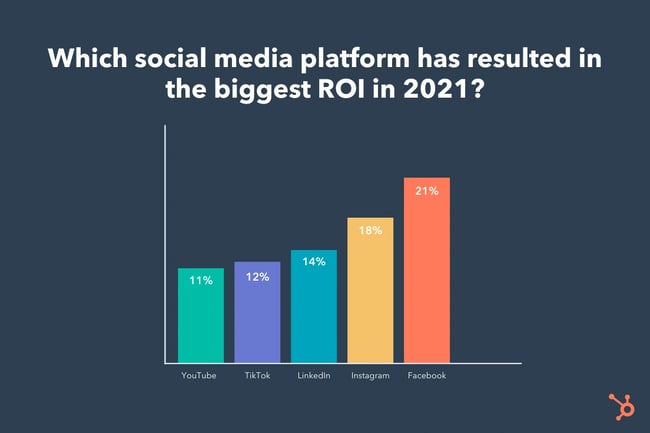
The scale of these platforms is substantial. Instagram boasts 500 million daily active users globally, while Snapchat maintains 306 million. TikTok has reached a milestone of 1 billion daily users, demonstrating explosive growth. For marketers, the critical question is not whether these platforms are relevant, but which ones deliver the strongest return on investment. Data from a survey of over 1,000 marketers indicates that 62% plan to increase investment in TikTok this year, with 54% doing the same for Instagram. However, when it comes to realized ROI, Instagram leads with 18% of marketers citing it as their top performer, while TikTok follows at 12%. Snapchat does not appear in the top five for ROI, yet its unique utility keeps it relevant for specific brand objectives.
Understanding the distinct audience behaviors and platform mechanics is essential for allocating resources effectively. Each platform serves a different purpose in the consumer journey, from initial discovery to brand affinity and direct conversion.
User Demographics and Global Reach
All three platforms heavily skew toward younger demographics, but their global footprints and age distributions differ. Snapchat claims that 90% of 13-to-24-year-olds use the platform, making it a stronghold for early Gen Z. TikTok’s global audience is more than half under the age of 34, capturing both Gen Z and younger millennials. Instagram maintains a balanced appeal across Gen Z and millennials, offering a broader demographic spread that includes older users who have migrated from Facebook.
Geographically, these platforms have distinct strongholds. Snapchat has a significant user base in India, while TikTok’s origins in China mean it operates a separate domestic version called Douyin, reflecting its massive scale in that market. Instagram sees its highest user concentrations in India and the United States. For brands targeting specific regions, these geographic nuances can influence platform selection. A global campaign might prioritize Instagram for broad reach, while a region-specific initiative in Southeast Asia or China might lean toward TikTok’s ecosystem.
Core Features and Navigation
The structural design of each platform dictates how content is consumed and created. Snapchat is organized around three main pages: Friends, Camera, and Discover. The Friends page facilitates private, peer-to-peer interaction, while the Discover page hosts high-quality, branded stories from publishers and advertisers. This separation creates a dual environment: one for authentic social connection and another for polished brand messaging.
TikTok is built around an infinite feed driven by algorithmic recommendation. Users land on a For You page where content is curated based on engagement patterns, not follower count. This lowers the barrier to entry for new creators and brands, as content can go viral without an established audience. The platform also includes a Search page that highlights trending topics, and a dedicated Camera and Profile section for content creation and management.
Instagram Reels is not a standalone app but a feature within the larger Instagram ecosystem. Reels can be shared to a private feed, a public Explore page, or directly to Stories and messages. This integration allows brands to leverage their existing follower base while tapping into Instagram’s broader shopping and professional networking features. The Explore page serves as the discovery engine for Reels, similar to TikTok’s For You page, but within a context where users are already accustomed to curated, aesthetic content.
Content Strategies and Marketing Opportunities
The type of content that performs well varies significantly across these platforms. Snapchat is primarily a friend-to-friend messaging app, but its Discover page offers a premium space for branded storytelling. Publishers on Discover create high-production, narrative-driven stories that engage users with graphic design, animation, and professional video. For brands, this means investing in quality, episodic content that can compete with media companies.
TikTok thrives on authenticity and creativity. The platform is ideal for short, looping skits, mini-music videos, and vlog-style clips that feel native to the app. Users expect raw, unpolished content that aligns with trending audio and challenges. This environment favors brands willing to experiment with humor, behind-the-scenes footage, and user-generated content campaigns. The platform’s hashtag challenges, such as Guess’s #InMyDenim campaign, have demonstrated the potential for massive organic reach, with some challenges generating millions of views.
Instagram Reels sits between these two extremes. It supports both polished, branded content and more casual, creator-led videos. The integration of Shopping and Branded Content tags allows influencers and businesses to disclose partnerships transparently while driving direct sales. Reels can be tagged with products, enabling users to tap and purchase without leaving the app. This seamless commerce integration makes Instagram Reels a powerful tool for conversion-focused marketing.
Platform-Specific Content Advantages
TikTok is particularly effective for brands targeting Gen Z on a limited budget. The platform’s algorithm favors content engagement over follower count, meaning new accounts can gain traction quickly. However, TikTok is still experimental for many brands, with limited options for driving direct website traffic. The platform is better suited for brand awareness and community building than for immediate conversions.
Snapchat’s Discover page offers high placement for branded stories, but access is restricted. Becoming an official publisher requires a contract with Snapchat, which may be out of reach for smaller businesses. However, brands can still run ads on Snapchat that mimic the Discover format, allowing for visual storytelling with clickable links to websites. These ads are shorter than publisher stories but offer direct conversion paths. For brands focused on driving web traffic or online sales, Snapchat’s ad program provides a viable option, despite the platform’s overall lower ROI ranking.
Instagram Reels excels in branded content and influencer marketing. The platform’s Branded Content Tags provide transparency and ease of use for collaborations, while its shopping features enable direct commerce. As Reels continue to evolve, we can expect more advanced video editing tools and deeper insights into performance metrics. For brands looking to maximize conversions and leverage influencer partnerships, Instagram Reels offers the most mature and integrated ecosystem.
User Behavior and Engagement Patterns
Engagement metrics reveal how users interact with each platform. Snapchat users spend an average of 26 minutes per day on the app, creating 2.1 million Snaps per minute. This high frequency of use suggests that Snapchat serves as a utility for daily communication rather than just entertainment. TikTok users spend 52 minutes per day on the app, with 90% logging in more than once daily. Instagram users spend 53 minutes per day, though the time spent specifically on Reels is not separately tracked.
These engagement patterns have implications for marketing strategy. Snapchat’s utility-focused usage means that users may view the app as a tool for connection, rather than a destination for brand content. This can make it challenging for brands to capture attention unless their content is highly relevant to the user’s social circle. TikTok’s entertainment-first approach means that users are actively seeking content, making it easier for brands to capture attention through creative, engaging videos.
Instagram’s integration of shopping features into Reels has positioned it as a key player in the buyer’s journey. Users can tag products, view product details, and complete purchases without leaving the app. This frictionless experience reduces drop-off rates and increases conversion potential. For brands focused on e-commerce, Instagram Reels offers a direct path from discovery to purchase.
Strategic Recommendations for Business Investment
Choosing the right platform depends on your specific business goals, target audience, and resources. TikTok is ideal for brands willing to experiment with creative, low-budget content aimed at Gen Z. The platform’s algorithmic discovery model allows for rapid growth, but it requires a willingness to adapt to trends and embrace a more casual, authentic tone. For brands seeking website traffic or immediate conversions, TikTok may be less effective at this stage, as its commerce features are still evolving.
Snapchat offers unique opportunities for branded storytelling through its Discover page, but access is limited. For smaller businesses, running ads on Snapchat may be a more viable option, allowing for visual storytelling with clickable links. While Snapchat’s overall ROI may not match Instagram or TikTok, its high engagement among younger demographics and its role in the buyer’s journey make it a valuable tool for specific campaigns.
Instagram Reels stands out as the most comprehensive option for brands focused on conversions and influencer marketing. The platform’s shopping features, branded content tags, and large, diverse user base make it a powerful tool for driving sales. Additionally, Instagram’s cost-effectiveness compared to TikTok, as demonstrated by case studies showing lower cost-per-reach, makes it an attractive option for brands with limited budgets.
Comparative Performance and Cost Efficiency
A case study by Creatopy compared the performance of identical ad campaigns on TikTok and Instagram Reels. Both campaigns had a budget of $1,000, used the same video and ad copy, and targeted similar audiences. The results showed that Instagram Reels achieved almost double the reach and triple the impressions of TikTok. The cost to reach 1,000 people on Instagram Reels was $2.60, compared to $5.03 on TikTok. While these results can vary based on numerous factors, including algorithm changes and audience targeting, they highlight Instagram’s potential for cost-effective reach.
TikTok’s advertising costs are generally higher, with reports indicating that ad campaigns can range from $50,000 to $120,000 depending on format and duration. These costs are steep for small businesses, making TikTok less accessible for brands with limited budgets. However, TikTok’s potential for viral growth and brand awareness can justify the investment for larger brands with long-term marketing goals.
Final Considerations for Platform Selection
For brands targeting professionals or operating in B2B industries, these short-form video platforms may not be the primary focus. Traditional social media networks like LinkedIn and Twitter may offer more relevant audiences and engagement opportunities. However, for B2C brands, especially those targeting Gen Z and millennials, short-form video is an essential component of a modern marketing strategy.
The decision to invest in Snapchat, TikTok, or Instagram Reels should be guided by clear objectives. If your goal is brand awareness and creative experimentation, TikTok offers a dynamic, trend-driven environment. If you prioritize direct sales and influencer partnerships, Instagram Reels provides a mature, integrated ecosystem. For brands seeking to connect with younger audiences through authentic, ephemeral content, Snapchat offers a unique, utility-focused platform.
As these platforms continue to evolve, staying informed about algorithm changes, new features, and user behavior trends will be critical. Brands that adapt quickly and align their content strategies with platform strengths will be best positioned to capture the attention and loyalty of today’s digital consumers. The short-form video landscape is competitive, but it also offers unprecedented opportunities for creative expression and direct engagement with audiences. By understanding the nuances of each platform, brands can make informed decisions that drive meaningful results.
Ultimately, the choice between Instagram Reels, TikTok, and Snapchat is not about picking a winner, but about aligning your marketing strategy with the platform that best serves your business goals. Each platform offers unique advantages, and the most effective approach may involve a multi-platform strategy that leverages the strengths of each. As the digital landscape continues to shift, staying agile and data-driven will be key to maximizing the impact of your short-form video efforts.





