Mastering Content Strategy for the Generative AI Era
You pour your heart into every sentence, aiming to connect with readers through storytelling and unique brand insights. Yet, there is a persistent concern: is this effort being lost on the algorithms that mediate the path to your audience? Finding the balance between creative expression and machine clarity feels like walking a tightrope. You want to maintain the human spark that builds loyalty, but you also need to ensure your expertise is clear and discoverable by artificial intelligence.
The tension is real, but it isn’t a zero-sum game. You don’t have to choose between writing for people and writing for machines. In fact, an effective AI Content Strategy for the AI Era treats your unique voice as an asset. By understanding how modern systems process information, you turn your narrative into a signal that stands out. This approach transforms your writing from mere text into a valuable resource that machines can easily interpret, categorize, and prioritize.
The Semantic Shift: Why Your Content Needs More Than Just Keywords
Success in digital visibility once meant scattering phrases throughout your pages like breadcrumbs. Today, that approach is losing steam. Modern search engines and AI models interpret intent, context, and the relationship between concepts. Your strategy must shift from catering to keyword density to providing clarity for machine intelligence.
Moving Beyond Keywords
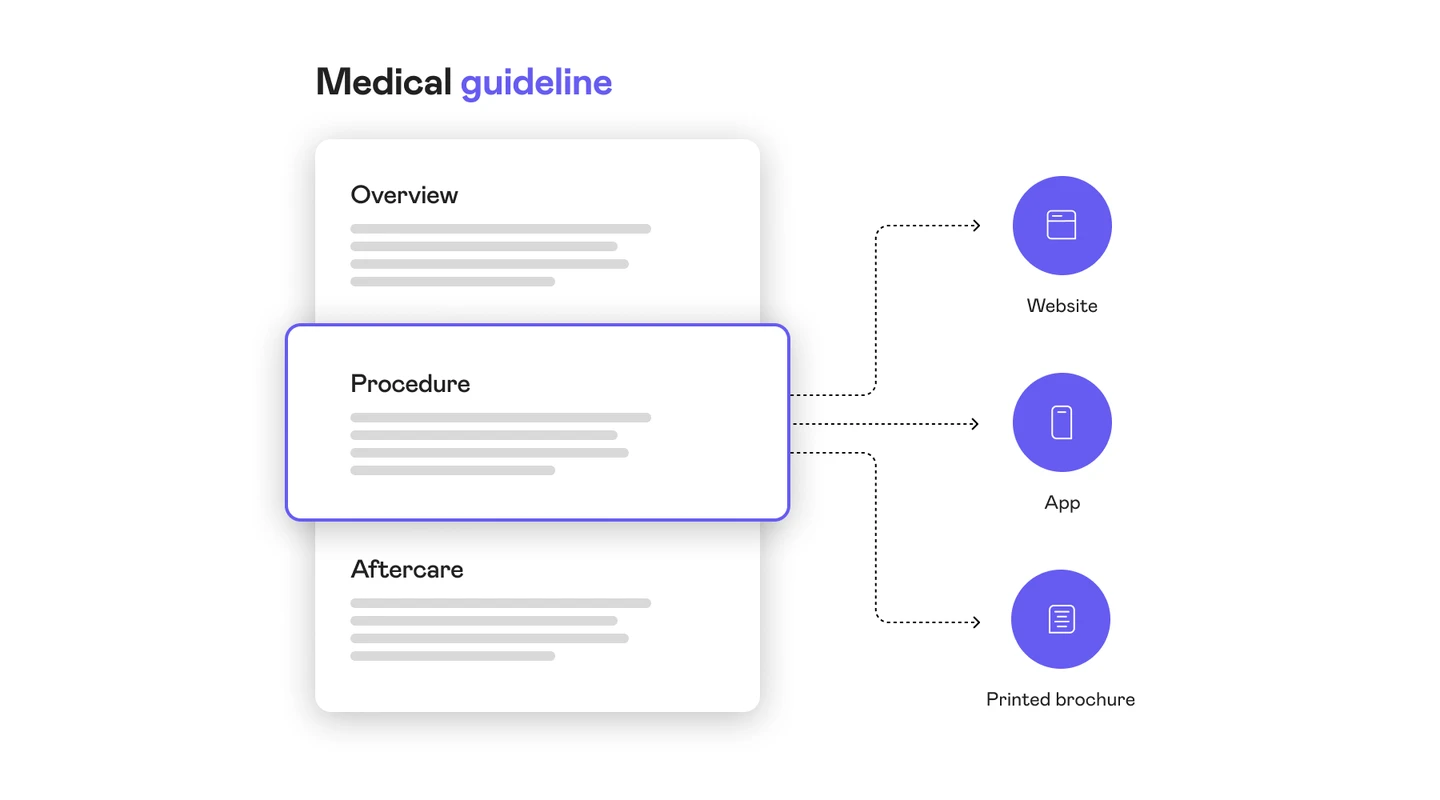
AI systems operate on semantic understanding. When a user asks a complex question, the AI pulls information based on the conceptual relevance of the content. To remain competitive, you need Semantic Content Design, which ensures your information is mapped logically so an AI can traverse and synthesize your expertise.
What is Semantic Injection?
Semantic injection is the art of weaving factual, machine-readable data—such as entity definitions, precise metrics, or structured relationship summaries—directly into your narrative. You place data where the reader benefits while keeping it discoverable for AI crawlers.
| Feature | Traditional SEO Signals | Modern Semantic Signals |
|---|---|---|
| Primary Focus | Keyword density & volume | Intent & entity association |
| Data Structure | Unstructured text blocks | Schema, lists, & hierarchies |
| Link Value | Backlink quantity | Citation authority & concept trust |
| AI Retrieval | Matches strings | Analyzes knowledge graphs |
The Human Differentiator
Even with the technical requirements of Generative Search Optimization, emotional resonance remains your ultimate competitive edge. While technical structure makes your content findable, your unique storytelling makes it valuable enough for an AI to cite you as an authority.
Crafting the Hybrid Format: Marrying Storytelling with Structure
Creating high-quality content feels like walking a tightrope. A successful AI Content Strategy for the AI Era relies on a hybrid design that serves both human readers and sophisticated AI models simultaneously.
The Art of Logical Hierarchy
Think of your content as a house with a clear blueprint. For human readers, the narrative provides the appeal, but for AI crawlers, the Content Structure Strategy is the foundation. Start by using clear H2 and H3 headings to break your narrative into logical, distinct topics. This creates a semantic map that AI uses to index your information accurately.
Anchoring Narratives with Data-Dense Blocks
One of the most effective techniques for Machine Readable Content is the integration of data-dense sections. Inserting a structured summary block or a comparison table allows an AI to distill your narrative into a factual snapshot without losing the context you built in the surrounding paragraphs.
| Feature | Human Narrative | Structured Data |
|---|---|---|
| Tone | Conversational | Factual/Neutral |
| Primary Goal | Emotional connection | Entity recognition |
| AI Value | Semantic context | High-precision extraction |
Practical Semantic Injection: A Step-by-Step Guide
Turning standard narrative content into a structured data source doesn’t mean sacrificing your personality. Use these steps to ensure your content is ready for AI retrieval.
Mastering Contextual Anchoring
Creative writing thrives on nuance, but AI systems thrive on consistency. Use Contextual Anchoring by repeating specific brand concepts or entities consistently throughout your site. Instead of using synonyms or vague phrasing, use precise descriptors to teach AI models exactly what your brand stands for.
The AI-Readiness Checklist
Before hitting publish, ensure your draft meets these criteria:
- Entity Clarity: Are your core brand concepts named consistently throughout the piece?
- Fact-Focus Blocks: Have you included at least one summary box that provides quick, factual answers for AI models?
- Logical Hierarchy: Do your H2 and H3 headings act as a roadmap for the topic?
- Actionable Context: Is every piece of creative advice tethered to a clear entity or brand-related term?
Measuring Success Beyond Traffic: The New Metrics of AI Discovery

Traditional metrics like click-through rates are evolving. When users turn to AI chatbots for answers, they often receive synthesized information without clicking through to your website. You must shift your focus toward citation authority and concept association.
Tracking Your Footprint
Perform manual prompt-testing by asking major AI platforms industry-specific questions related to your brand. Observe whether the AI retrieves your specific facts or mentions your brand as a helpful entity. This provides a qualitative feedback loop that tells you if your AI-Ready Content is truly resonating within the model’s knowledge base.
The future of digital publishing belongs to brands that master the balance of writing as both an art and a data-science project. By organizing your thoughts with intention, you ensure your brand’s expertise cuts through the noise of generic content. As the digital ecosystem shifts toward generative interfaces, your ability to blend authentic human storytelling with machine-readable precision will be your most significant competitive advantage.
AEO/GEO
Want to learn more?
Contact us for direct consultation and support.