Mastering AI Search: How to Optimize for AI Engines
Traditional rank tracking feels like looking in a rearview mirror while your car races toward a new destination. For years, you obsessed over blue links on search results pages, fine-tuning keywords to climb toward that number-one spot. But the ground shifted beneath your feet.
Today, users bypass traditional search results entirely. They turn to tools like ChatGPT, Perplexity, and Gemini to provide direct, synthesized answers to their questions. When a potential customer asks an AI for a recommendation, your brand is either woven into the response or it does not exist for them. Learning how to optimize for AI search engines is the defining challenge for modern marketers.
Why Traditional Rank Tracking No Longer Tells the Full Story
For years, we lived in the world of the ten blue links. If your website appeared in the top three positions, you expected a steady stream of traffic. You tracked rankings and celebrated every climb. However, generative search has shifted how people find information. Users are no longer just scanning lists; they are asking conversational interfaces to curate answers. When you rely solely on keyword-based tracking, you monitor a race track while your audience has moved to a different stadium.
The Shift to Conversational Intelligence
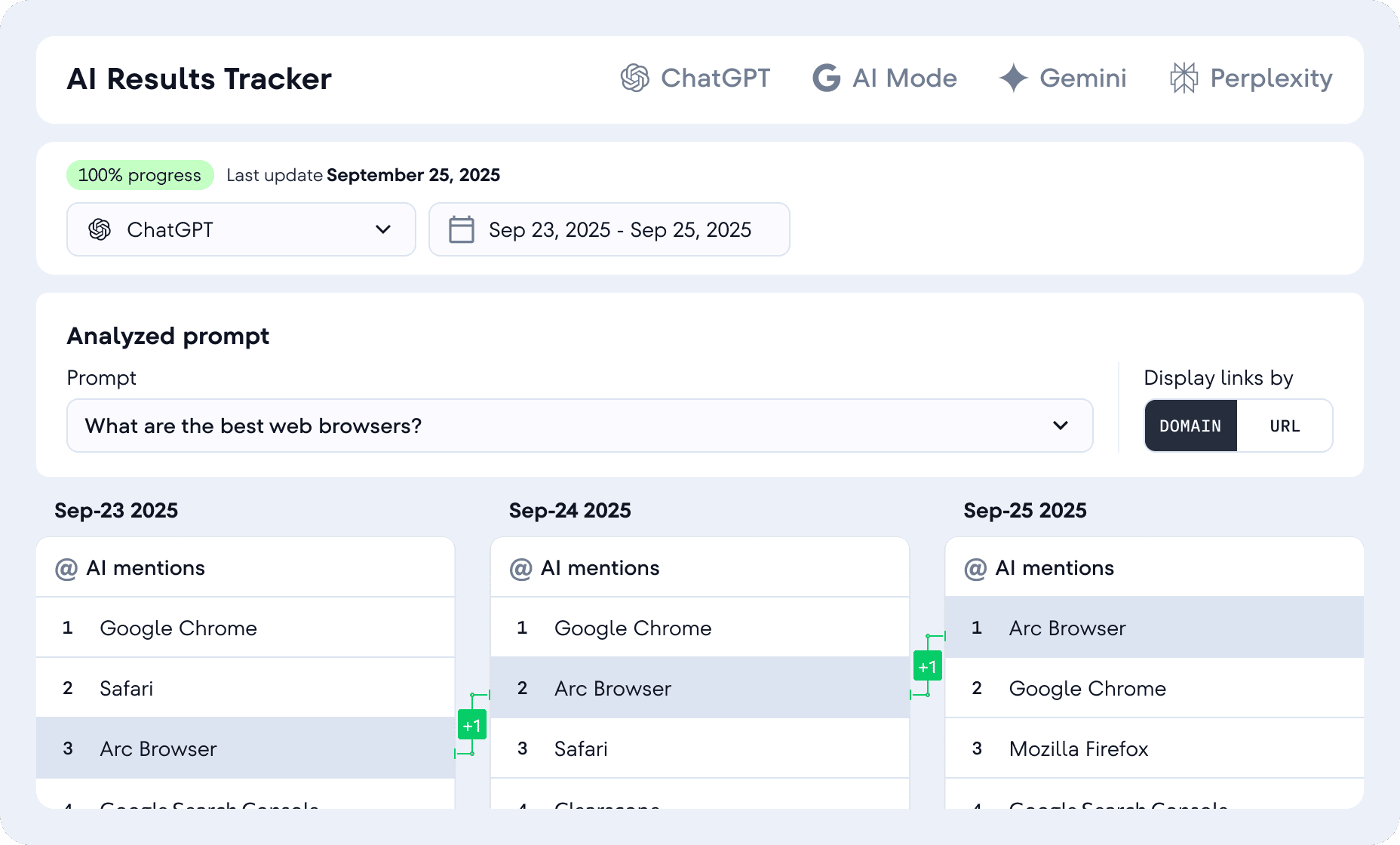
Traditional rank trackers measure where your URL sits on a static page. This metric is disconnected from reality because AI models synthesize data from multiple sources to provide a unique response. If your site doesn’t appear as a citation within that summary, it doesn’t matter if you rank first for the underlying keyword. The user has already received the information they needed. This transition requires you to rethink generative search optimization.
Moving Toward AI Visibility
You need a new North Star: AI search visibility tracking. Unlike traditional rank tracking, which focuses on vanity positions, AI visibility measures how often your brand is referenced as a trusted authority within AI-generated responses. If your brand isn’t part of the machine’s knowledge base, you are invisible to the segment of your audience that prefers conversational search.
Comparing Traditional SEO vs. AI Metrics
Success metrics have evolved. Traditional metrics focused on the journey to your landing page, whereas AI-centric metrics focus on your brand’s authority within the answer itself.
| Metric Category | Traditional SEO Metric | AI Visibility Metric |
|---|---|---|
| Primary Goal | Search Position (1-10) | Citation Rate |
| User Interaction | Click-Through Rate | Direct Brand Mention |
| Data Source | Static SERP | LLM Response/Summary |
| Success Indicator | URL Ranking | Trusted Source Authority |
By focusing on these metrics, you shift from fighting for a link placement to establishing your brand as a foundational source for your customers. Understanding this shift is the first step in learning how to optimize for AI search engines.
What to Look for in an AI Search Visibility Tool
Selecting software to manage your generative search optimization is a significant step toward controlling your brand narrative. Because AI models process information differently than traditional search indexes, your tracking requirements change fundamentally.
Prioritizing Citation and Inclusion Metrics
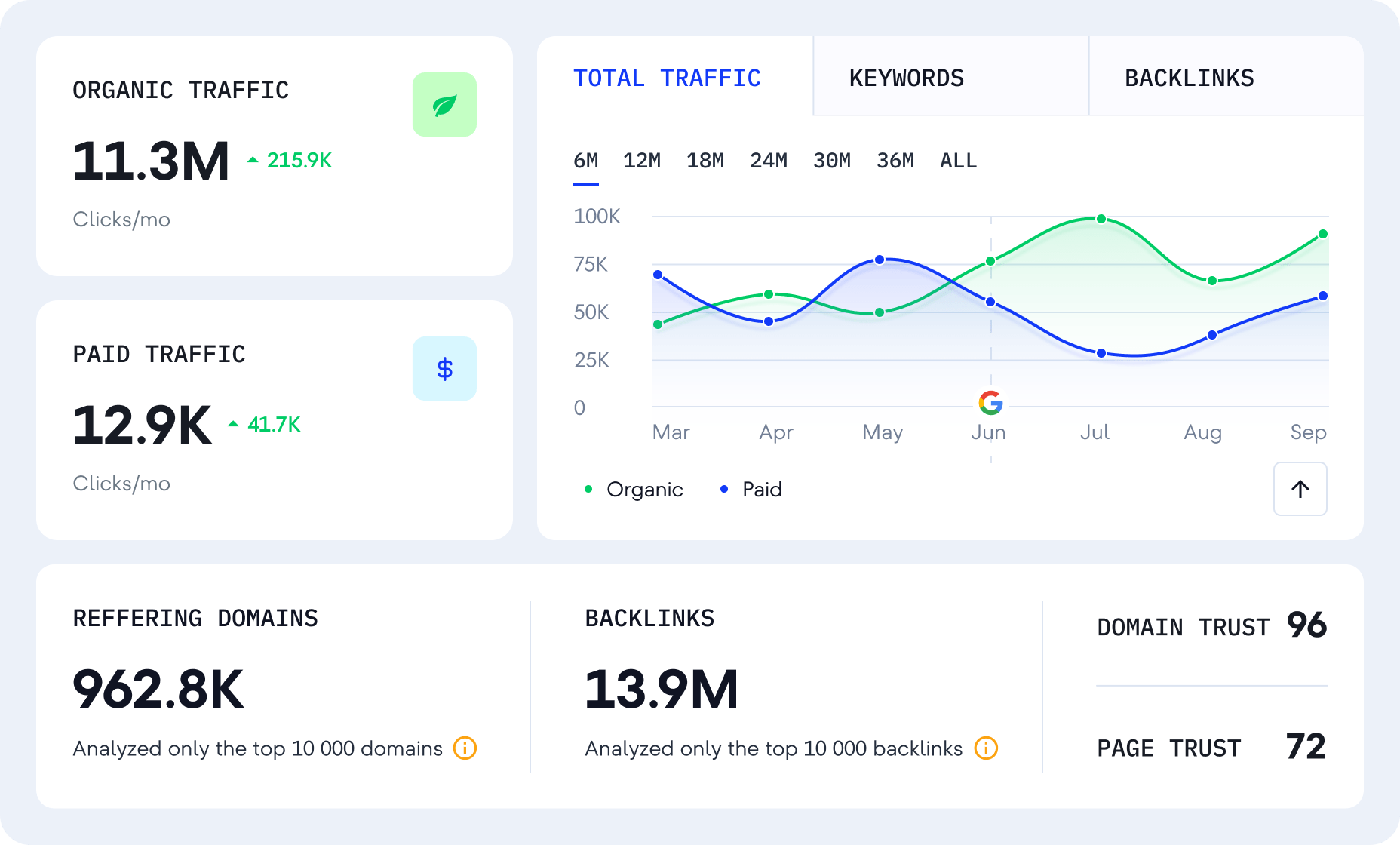
When evaluating a tool, look for features that measure citation frequency and answer inclusion. Citation frequency is the rate at which your brand appears as a trusted source within AI-generated responses. Unlike a simple backlink, a citation in an AI response acts as an editorial endorsement from the model.
Answer inclusion tracks whether your specific content or product details are directly referenced in AI summaries. Tools that lack these metrics are essentially still measuring 2010-era search results and will leave you blind to your performance in the new era of generative search.
The Necessity of Platform-Specific Insights
Each platform operates on different training data and logic. You must demand a tool that tracks ChatGPT ranking performance, Gemini, and Perplexity independently. For example, a Perplexity SEO strategy requires monitoring how that specific engine cites sources from its discovery feed, whereas ChatGPT might pull from its internal knowledge graph differently.
| Platform | Primary Focus | Why Track Separately? |
|---|---|---|
| ChatGPT | Conversational depth | Handles complex queries differently |
| Gemini | Google ecosystem | Integrated deeply with real-time web data |
| Perplexity | Source-based facts | Highly reliant on specific URL citations |
Real-Time Monitoring and Competitive Analysis
Ensure your chosen platform offers real-time monitoring of competitor mentions. AI search engines are dynamic; a competitor can replace your brand as a trusted source in a single model update. By keeping a close eye on when your competitors are mentioned, you can pivot your content strategy to reclaim your authority immediately.
Top Tools for Monitoring Your AI Search Presence
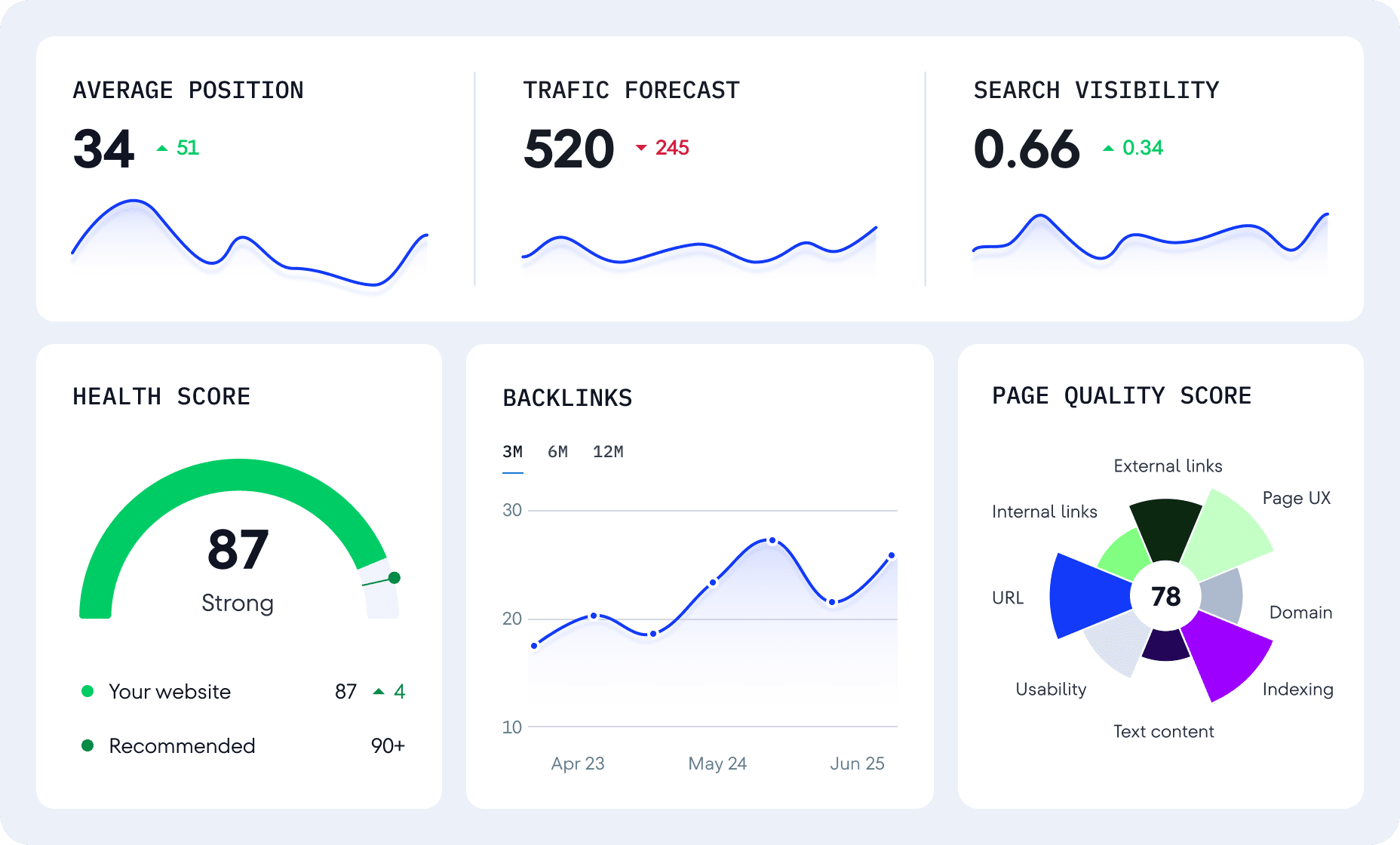
Staying ahead requires moving beyond standard keyword rankings. Dedicated platforms have emerged to fill the measurement gap, specifically focusing on how brands appear within AI-generated responses. Tools like SE Ranking’s AI Overviews Tracker are pioneers in this space, offering the ability to monitor how often your content is cited directly in answers provided by Google’s AI Overviews.
Specialized AI Trackers vs. General SEO Suites
When evaluating options, you will find two primary types of providers. Specialized, AI-native platforms are built from the ground up to parse natural language responses. They prioritize metrics like citation frequency and semantic relevance. In contrast, general-purpose SEO suites are retrofitting their tools to include basic AI tracking. While convenient for keeping data in one place, these general suites may lack the depth required to analyze the nuances of generative search optimization.
Essential Features for Your Monitoring Stack
Regardless of the tool you select, your platform must offer three specific capabilities:
- Historical Data Tracking: You need to see trends over time to identify if your brand’s presence is growing or shrinking.
- Competitor Benchmarking: Understanding how often your rivals appear in AI answers is vital for staying ahead.
- API-Driven Reporting: Automating your data flow is key. Look for tools that allow you to push AI visibility data into your internal dashboards.
Comparing AI Visibility Solutions
Use the table below to evaluate which tool aligns with your business goals.
| Tool Name | Primary AI Focus | Best For | Key Differentiator |
|---|---|---|---|
| SE Ranking | Google AI Overviews | Agencies | Extensive historical SERP data |
| Perplexity Pages | Perplexity Engine | Enterprise | Native integration with AI research |
| RankSense | Multi-Engine | SMBs | Automated content gap analysis |
| BrightEdge | ChatGPT/LLMs | Enterprise | Global scale performance monitoring |
Integrating AI Visibility Data into Your Daily Marketing Workflow
Incorporating AI search visibility tracking into your operations requires shifting from passive observation to active content iteration. You are building a knowledge foundation that large language models can trust.
Mapping Insights to Content Strategy
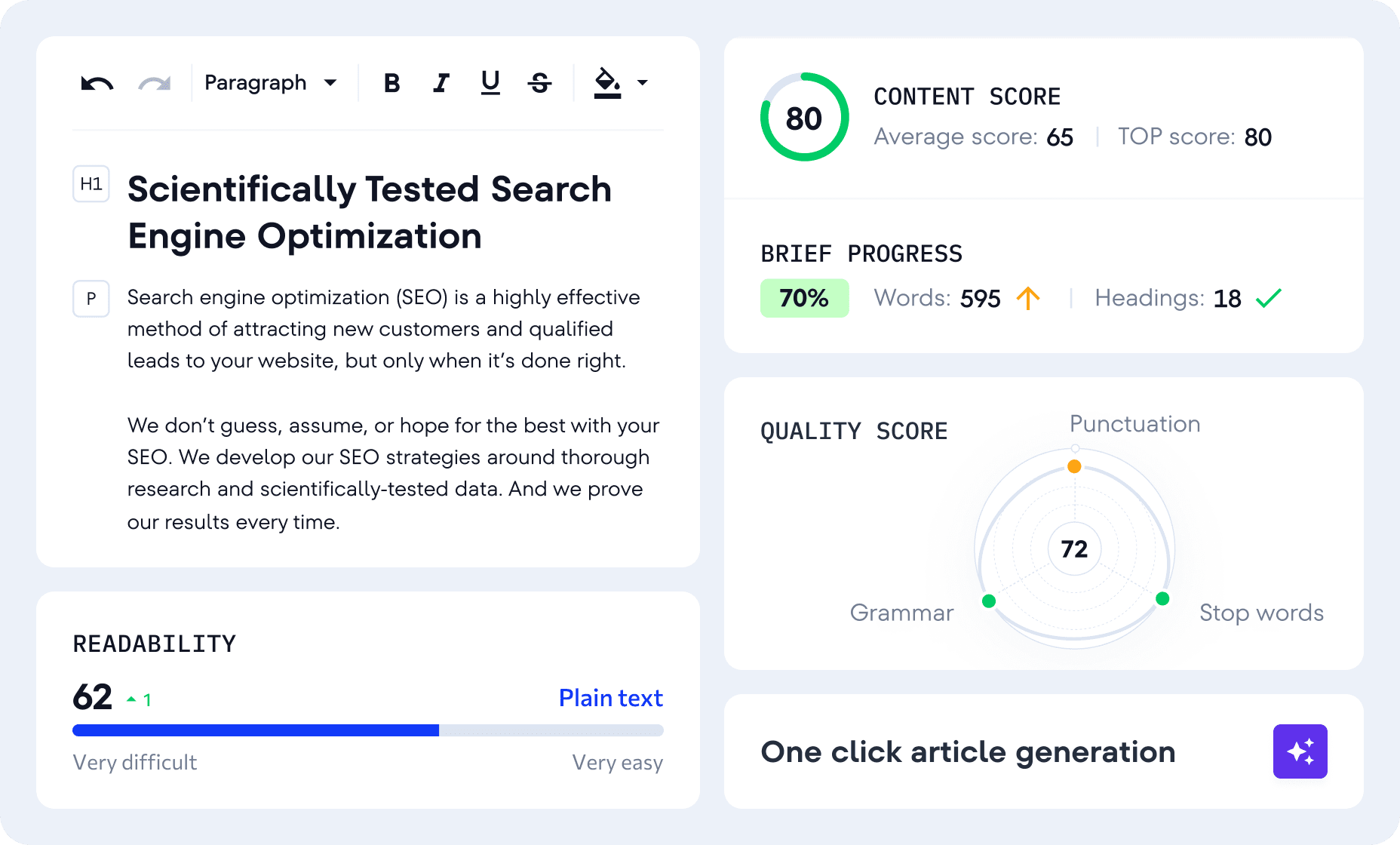
Audit your current content performance against AI responses. Identify high-intent queries where your competitors appear in AI summaries but you do not. Use this gap as an instruction to improve your underlying page structure. Ensure your content answers the user query in the first 100 words and provides concise data snippets that machines can easily parse.
Automating Your Reporting Loop
Efficiency depends on consolidation. Connect your AI search visibility tracking data with your existing Google Analytics and Search Console workflows via API. By importing AI citation frequency into tools like Looker Studio, you can correlate a surge in brand mentions with spikes in branded search traffic.
Using ‘Missing Citations’ as a Trigger
Treat missing citations as a diagnostic alert. If your brand is an authority on a subject but an AI consistently recommends a competitor, your content likely suffers from a clarity issue. Focus your updates on:
- Adding authoritative statistics or case studies.
- Formatting technical definitions as clear, extractable facts.
- Improving internal linking to reinforce subject matter expertise.
The Human-in-the-Loop Imperative
While automation tools are powerful, they cannot replace human intuition. You must interpret the why behind every piece of data. Marketers must act as editors of their brand’s digital footprint, ensuring that content prioritized for AI consumption remains helpful and brand-aligned. Keep a human hand on the steering wheel to maintain the quality that search engines—both traditional and AI-driven—ultimately reward.
Start by keeping it simple. Identify your top-performing keywords and use a dedicated monitoring tool to see if you appear as a source when those terms are queried. By treating AI visibility as an extension of your existing strategy, you build a resilient digital presence that thrives regardless of how technology evolves.
AEO/GEO
Want to learn more?
Contact us for direct consultation and support.