Entity-First Workflows: How to Optimize for AI Search Engines
Your potential customers are building their vendor shortlists inside AI chat interfaces long before they visit your website. This creates a silent, invisible loss: if your brand isn’t showing up as a recommended expert within these conversations, you essentially don’t exist to that buyer. Traditional search engine optimization focuses on getting a blue link at the top of a results page, but today’s buyers are skipping search results entirely for direct, synthesized answers from AI agents.
Learning how to optimize for AI search engines is no longer a futuristic experiment; it is the new baseline for market relevance. When a user asks an AI to compare solutions or suggest a provider, the platform pulls from its training data to build a curated list. By pivoting your marketing focus toward entity-first workflows, you transform your brand from a generic web entity into a verifiable, citable authority that AI models can trust.
The New Reality: Why AI Agents Are Your New Top-of-Funnel
We have entered a new era of discovery where AI synthesis has taken the throne. Modern AI agents and RAG (Retrieval-Augmented Generation) systems don’t just point users to a list of links—they interpret and synthesize information to provide direct answers. If your content isn’t structured for these machines, you are becoming invisible to your most qualified prospects.
The Shift Toward AI Synthesis
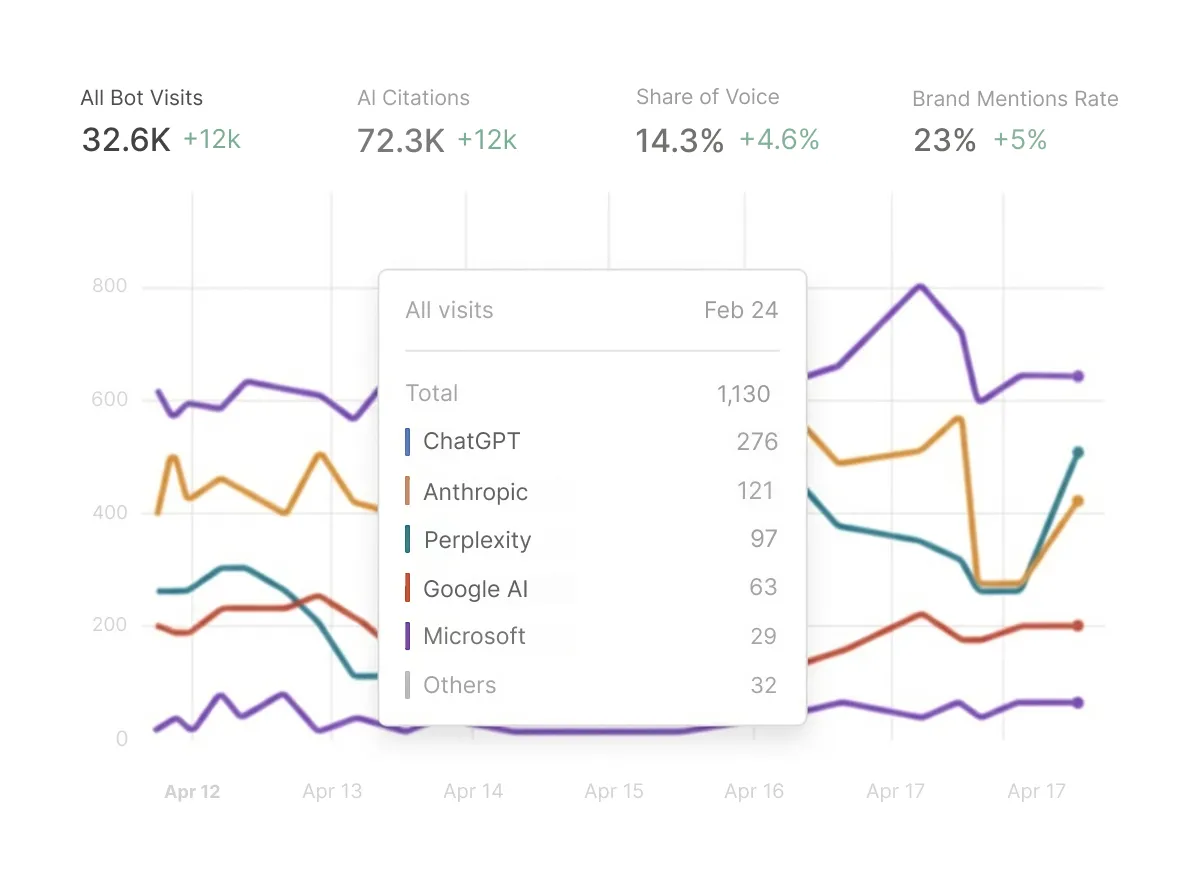
Traditional search engines rewarded websites that proved authority through backlink volume. Today’s AI agents operate differently. Using RAG technology, these systems query massive databases and rewrite facts into conversational responses. Learning how to optimize for AI search engines requires providing factual, verifiable data that AI can confidently present to a user as a solution.
Roughly 73% of B2B buyers conduct extensive research on their own—scouring AI chat interfaces and synthesized reports—before engaging with a brand. If you haven’t engineered your presence to appear in those early-stage conversations, you have lost the lead before the game begins.
Comparing Approaches: SEO vs. Entity-First Workflows
To succeed in this landscape, you must update your metrics and goals. The following table contrasts legacy search mindsets with the requirements of Generative Engine Optimization.
| Feature | Traditional SEO | Entity-First Workflow |
|---|---|---|
| Primary Goal | Keyword Ranking | AI Citation & Trust |
| Success Metric | Organic Traffic | AI-Referenced Mentions |
| Core Logic | Backlinks & Load Speed | Data Structuredness |
| Content Focus | Length & Keyword Density | Factuality & Coherence |
By adopting an entity-first workflow, you build the data foundation required to be cited as an expert authority.
Mapping Your Brand Entities: The Foundation of AI Trust
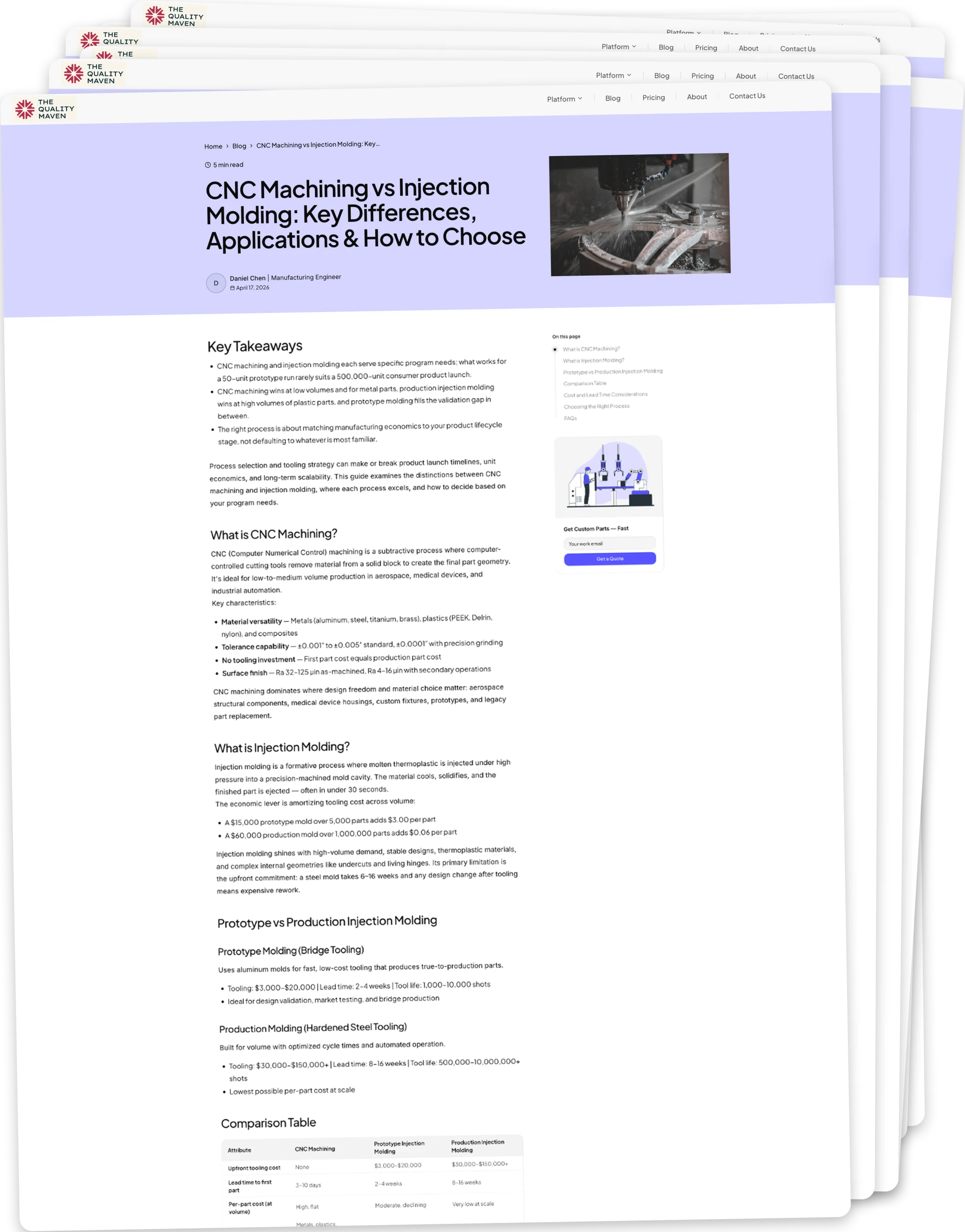
In the world of AI, an entity is a unique object or concept that a machine can identify. For an AI model to understand your brand, it must distinguish between your people, products, certifications, and partnerships. When you treat these as structured entities, you define your brand’s reality in a way that large language models can ingest.
The Data Handshake: Schema and AI
Schema markup acts as the vital “data handshake” between your website and AI crawlers. While HTML tells a browser how to display content, schema provides the semantic context that tells an AI what that content actually is. By applying JSON-LD schema, you confirm your factual claims, reducing the chance of the AI hallucinating or misrepresenting your business data. This approach is fundamental to Generative Engine Optimization because it creates a clear path for the model to retrieve verifiable facts.
Auditing Your Entity Density
To ensure your brand is correctly understood, follow these steps to map your entities:
- Identify Core Entities: List your primary brand pillars—founders, products, awards, and service areas.
- Analyze Coverage: Search your site to ensure these terms are consistently linked to authoritative pages.
- Identify Gaps: Look for “orphan entities” that lack context or schema support.
- Standardize Naming: Ensure consistent naming conventions across your entire site to avoid AI confusion.
Structuring Content for AI Citations: The ‘Answer-First’ Approach
To win in generative search, you must move beyond traditional content structures. When a user asks an AI assistant a question, the model aggregates snippets to synthesize a response. If your content is buried in long-winded introductions, the AI will likely skip it. Master the Answer-First writing style by placing the core truth of your article within the first 60 to 120 words.
Formatting Headers for Conversational Intent
AI agents map user questions to relevant information blocks. If your headers are vague, you lose the opportunity to be the definitive answer. Mirror the actual questions buyers ask AI platforms. For example, use “How does our platform reduce customer churn?” instead of “Our Solution.”
Leveraging Citable Elements
AI models perform best when they can extract structured data. Focus on integrating these formats:
- Primary Statistics: Clearly stated data points that prove an outcome.
- Expert Quotes: Short, punchy perspectives from internal subject matter experts.
- Data Tables: Well-labeled grids for product comparisons.
- Step-by-Step Lists: Numbered processes that help AI reconstruct workflows.
Operationalizing the Workflow: Integrating Teams
Transitioning to an AI marketing workflow requires synchronizing marketing and development teams. Treat structured data as a core content requirement rather than a technical chore.
Weekly AI Visibility Monitoring Checklist
Monitoring your presence in AI results is not like tracking a blue-link ranking. Use this checklist to gauge your RAG optimization:
- Query Testing: Input your top 10 core business queries into tools like ChatGPT or Perplexity.
- Citation Analysis: Record whether your site is listed as a source.
- Entity Verification: Verify if the AI correctly identifies your company’s relationship with its products.
- Schema Audit: Check that high-performing posts have updated schema markup.
By tracking AI-referred engagement, you can finally put a measurable ROI on your Generative Engine Optimization efforts.
AEO/GEO
Want to learn more?
Contact us for direct consultation and support.