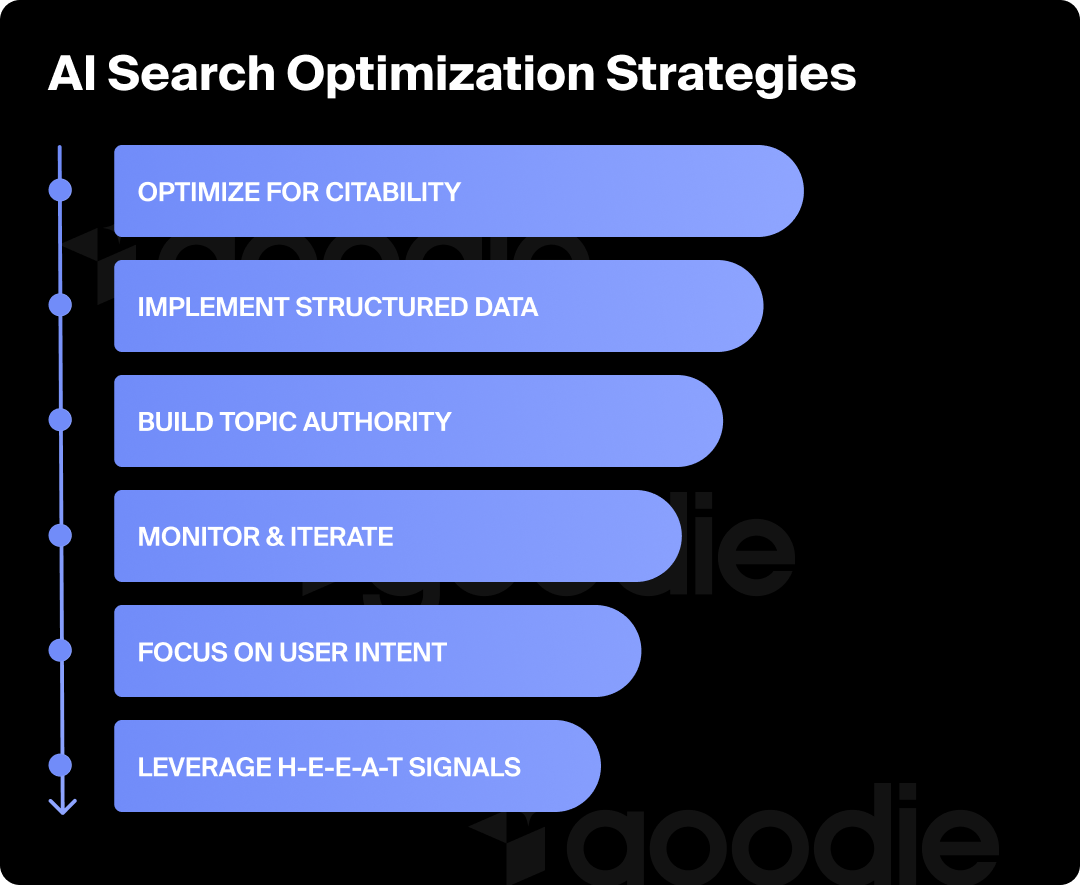
Measuring brand visibility within LLM-based search engines requires a fundamental departure from legacy SEO metrics. Where traditional search focused on click-through rates and page views, generative search demands a statistical framework that accounts for the inherent non-determinism of AI outputs.
Beyond Traffic: The Failure of Conventional SEO Metrics in AI Search
In LLM ecosystems, traffic is a lagging, often invisible indicator. Users frequently find the information they need directly within the AI response, never needing to click through to your website. Relying on organic traffic analytics leads to a significant underestimation of your brand’s reach.
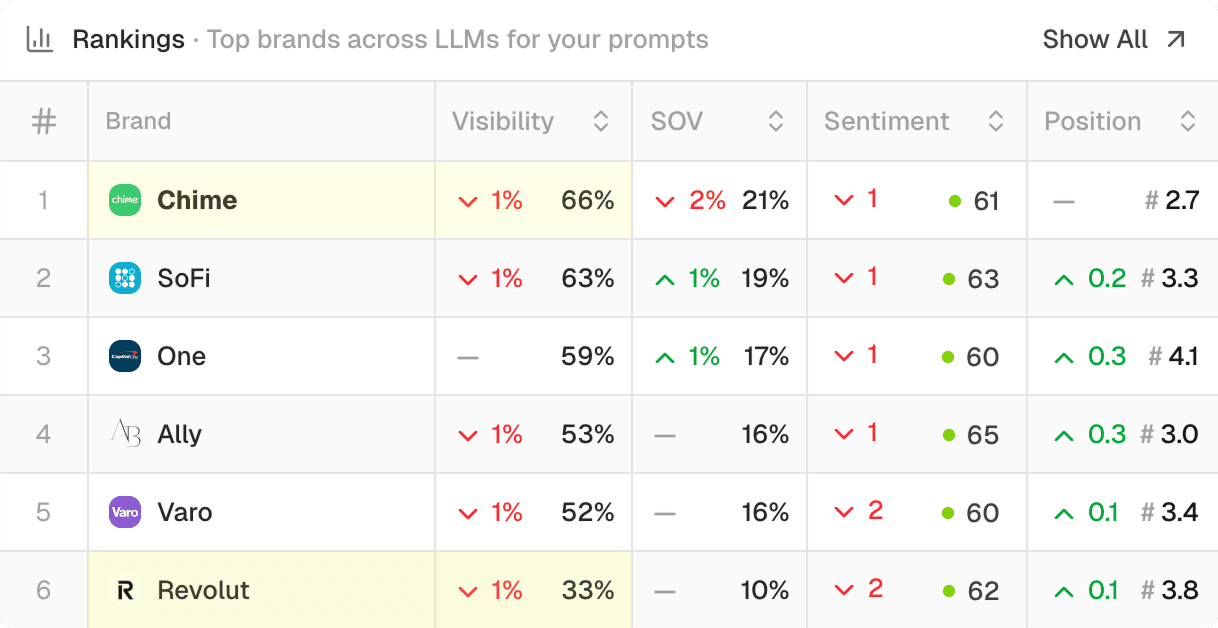
Instead, companies must pivot toward Visibility Percentage—the ratio of prompt-based interactions where your brand is cited or positioned as a primary authority. In this model, AI-driven discovery is treated as a distinct, measurable funnel entry point, separate from the traditional click-centric journey.
Structuring the Measurement Workflow: Funnel-Stage Prompt Categorization
Effective tracking begins by organizing your brand-relevant queries into a systematic prompt bank. These should be segmented by the user’s intent within the purchase funnel:
- Awareness: Broad queries where the user explores industry challenges.
- Consideration: Comparative prompts pitting your category against alternatives.
- Decision: High-intent queries focused on specific solutions, pricing, or trust signals.
Measurement methodologies must be calibrated to these stages; an awareness-stage mention requires high reach, while a decision-stage mention must prioritize authority and sentiment accuracy.
Mastering Predictable Randomness: The 10+ Response Statistical Model
Because LLMs are non-deterministic, a single query result is not a reliable data point. To capture actionable insights, you must implement a statistically significant sampling protocol.
We recommend running a minimum of 10+ interactions per prompt to account for variance in:
- Citation Density: How frequently the model selects your source compared to competitors.
- Brand Positioning: The qualitative context (positive/neutral/negative) in which your brand is presented.
- Content Saliency: Where in the generated text your brand appears—initial summary versus subordinate list item.
Linking Visibility to Bottom-Line Impact: Self-Reported Attribution
Attribution in AI search is notoriously difficult due to the “dark traffic” nature of conversational interfaces. To solve this, firms must bypass indirect metrics in favor of Self-Reported Attribution.
By integrating “How did you hear about us?” surveys directly into your onboarding or lead-capture forms, you can isolate AI-driven leads from other sources. Correlating the frequency of your brand’s AI mentions with spikes in self-reported AI discovery provides the strongest signal for bottom-line impact.

Sentiment Management and Source Reputation Audits
Your brand presence is only as valuable as the accuracy of the citation. Inaccurate or negative mentions in training data can lead to hallucinations that damage your market authority.
Periodic Source Reputation Audits are essential to:
- Identify negative or hallucinated citations in real-time.
- Develop remediation strategies for faulty source data.
- Measure the direct relationship between citation accuracy and user sentiment toward your product.
Operationalizing Continuous AI Brand Monitoring
Visibility in AI search is not a static goal; it is an iterative, operational loop. Move beyond quarterly audits and integrate automated monitoring into your core business dashboards.
By tracking these KPIs continuously, you can perform iterative content adjustments to improve your source authority. This active management ensures that as models update, your brand’s visibility remains resilient, keeping you at the forefront of the generative search landscape.
AEO/GEO Services provides the infrastructure to manage these loops, enabling brands to maintain authority and visibility at scale. By aligning your content strategy with the statistical realities of AI engines, you turn non-deterministic search into a predictable engine for growth.