The Shift from Generic to Personalized Marketing
The era of the one-size-fits-all marketing message is over. For years, brands relied on broad demographic buckets to define their audiences, assuming that age and location were enough to predict behavior. Today, that approach feels impersonal at best and intrusive at worst. Consumers have evolved. They expect brands to recognize their individual preferences, past interactions, and specific needs. This shift has moved personalized marketing from a competitive advantage to a baseline expectation.
Personalized marketing is the strategy of delivering custom messages, content, and product recommendations based on individual user data rather than generic groupings. It moves beyond simply inserting a first name into an email subject line. True personalization involves understanding the context of a customer’s journey and offering relevant solutions at the right moment. In a Boston Consulting Group survey of 5,000 global consumers, more than 80% stated they both want and expect these tailored experiences. When a brand fails to meet this expectation, the customer does not just see a missed opportunity; they often see a lack of competence or care.

Consider the difference between a generic newsletter and a curated recommendation engine. The former broadcasts the same message to thousands of inboxes, hoping for a trickle of engagement. The latter analyzes past behavior to surface items a specific user is likely to value. This distinction is critical for managers overseeing brand strategy. The goal is not to overwhelm the customer with data, but to use that data to reduce friction in their decision-making process. When executed correctly, personalization feels less like marketing and more like a helpful service.
Defining the Scope of Personalization
Many organizations mistake personalization for a single tactic, such as dynamic email content. While email is a powerful channel, true personalization operates at scale across every touchpoint. It includes website homepage greetings that acknowledge returning visitors, location-based push notifications that offer relevant local deals, and cart abandonment notifications that remind users of items they actually viewed. It also extends to product recommendations based on search history and purchase patterns.
Vivien Tse, a freelance marketing specialist, notes that personalization should not be siloed. She argues that everything should be personalized, not just isolated campaigns. This holistic view requires a brand to look at the entire customer lifecycle. From the first website visit to post-purchase support, each interaction should feel connected to the previous one. This continuity builds trust. Customers begin to feel that the brand understands them, which lays the groundwork for long-term loyalty.
The Strategic Benefits of Tailored Experiences
Implementing personalized marketing drives measurable business outcomes, primarily through increased sales conversions and deeper customer loyalty. Data indicates that 96% of consumers are likely to make a purchase when brands send personalized messages. This high conversion rate stems from a simple psychological principle: relevance. When a customer sees a product or message that aligns with their immediate needs or interests, the barrier to purchase drops significantly. They do not have to search for value; it is presented to them clearly.
Beyond immediate sales, personalization fosters organic engagement and community building. Younger generations, particularly Gen Z and Millennials, prioritize brands that make them feel part of a larger narrative. Gen Z shoppers are more likely to engage with event invitations, behind-the-scenes content, and brand values. Millennials tend to connect with product care tips, styling advice, and opportunities to provide feedback. By tailoring content to these specific interests, brands transform passive consumers into active community members. This engagement is not transactional; it is relational.
Data as a Strategic Asset
Personalized marketing and data utilization are inextricably linked. In fact, 99.6% of consumers are willing to share some form of personal data in exchange for tailored experiences. This statistic reveals a crucial insight: customers are not inherently opposed to sharing information. They are opposed to sharing information without receiving value in return. For brands, this represents a significant opportunity to build richer customer profiles.
Every marketing touchpoint should be designed to collect useful, actionable data. This data then powers smarter, more relevant outreach. For example, if a customer consistently clicks on eco-friendly products, the brand can highlight its sustainability initiatives in future communications. This creates a positive feedback loop. The more the brand understands the customer, the better the experience becomes, which encourages the customer to share more data. However, this process requires careful management. Data must be used ethically and transparently to maintain trust.
Brands Excelling in Personalization
Examining how leading brands implement personalization provides practical insights for your own strategy. These companies have moved beyond basic segmentation to create experiences that feel uniquely tailored to each user. Their success lies in combining technology with genuine brand ethos.
Topicals: Building a Community Through Inclusivity
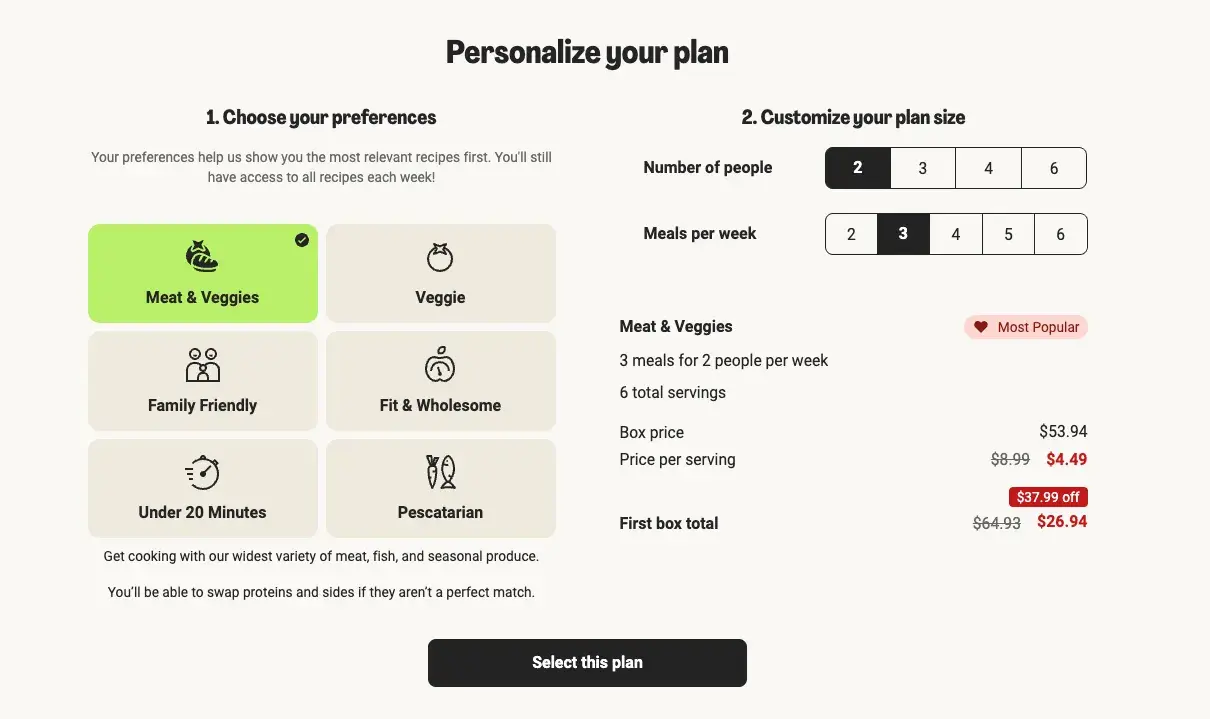
Topicals, a skincare brand, has mastered the art of personalized community building. The brand does not just sell products; it fosters a culture known as the “Spottie Sphere.” This community is divided into tiers, such as “Spottie Hottie” for enthusiasts and “Expert” for licensed professionals. Members receive tailored content, including early access to product launches and exclusive event invitations.
One notable example of Topicals’ personalization strategy is its response to customer feedback. When users commented on the scent of its Faded serum, the brand addressed the concerns directly and adapted. This responsiveness demonstrates that personalization is not just about predicting preferences; it is about listening and reacting. Imañya James, a product and marketing specialist for Topicals, emphasizes that the brand has made skincare “wearable in public,” encouraging users to share their experiences. This strategy empowers customers to become brand advocates, sharing their journeys on social media and creating a sense of movement around the products.
HelloFresh: Customizing the Daily Routine
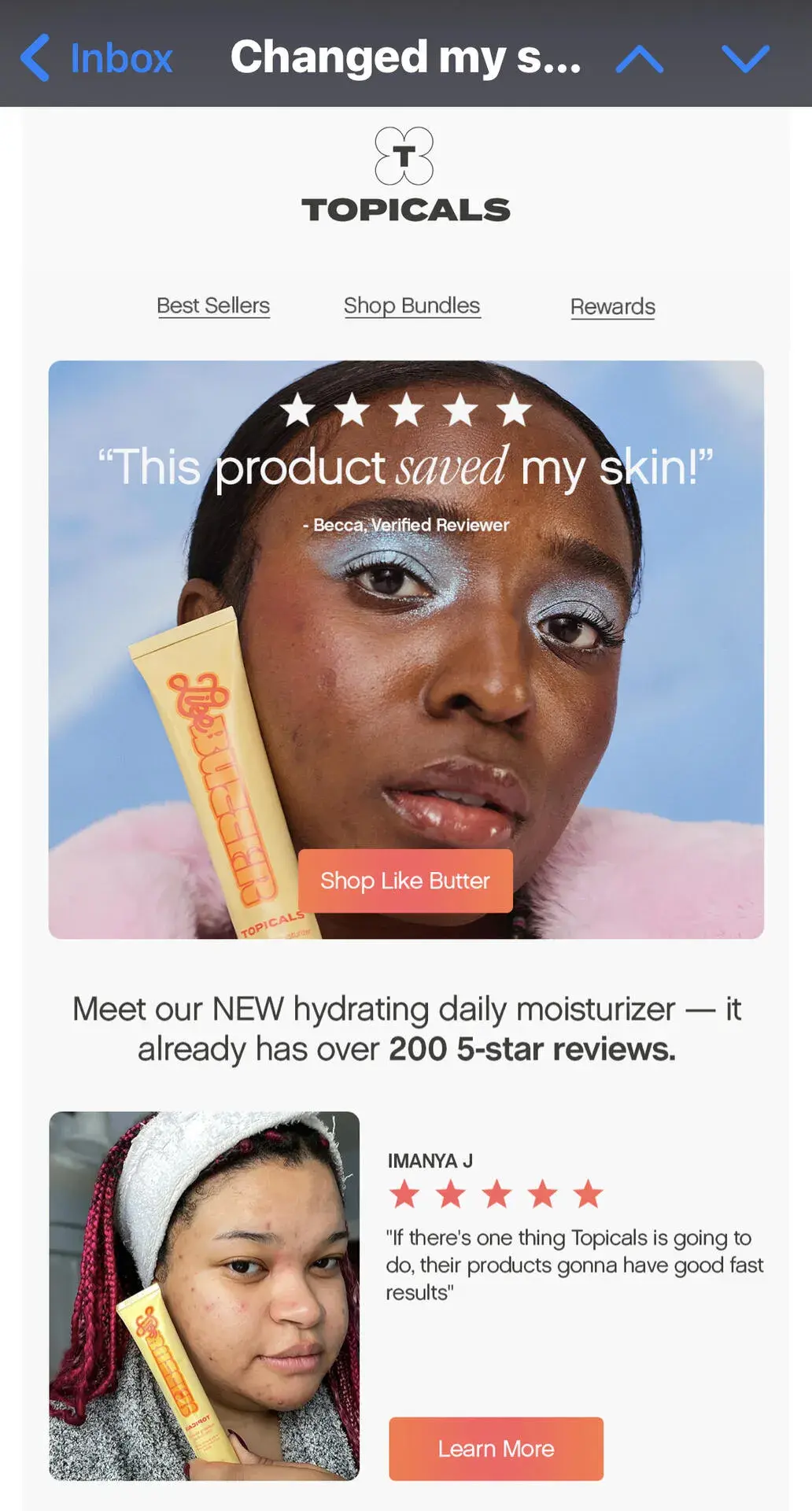
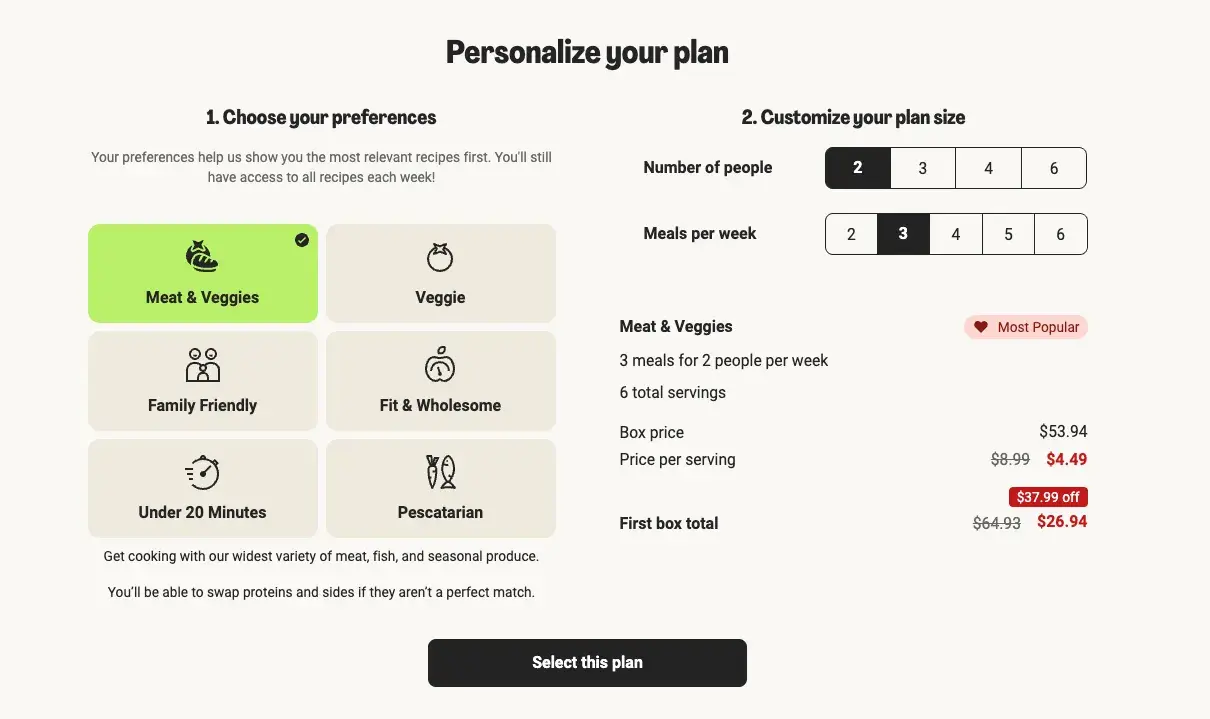
HelloFresh uses personalization to simplify a complex decision: what to cook for dinner. When customers sign up, they are asked for detailed information about their dietary preferences, household size, and cooking skill level. This data shapes their customized meal plans and app dashboard. Over time, the platform refines its recommendations based on past selections, suggesting new meals that align with the user’s evolving tastes.
This approach works because it removes friction. Customers are not presented with a overwhelming catalog of options; they are given a curated list of meals that fit their specific constraints. HelloFresh also uses special promotions and add-ons to keep the experience fresh. By tailoring the marketing to individual needs, the brand avoids the one-size-fits-all model that often frustrates users. The result is a service that feels intuitive and supportive, rather than prescriptive.
The Lip Bar: Reducing Purchase Uncertainty
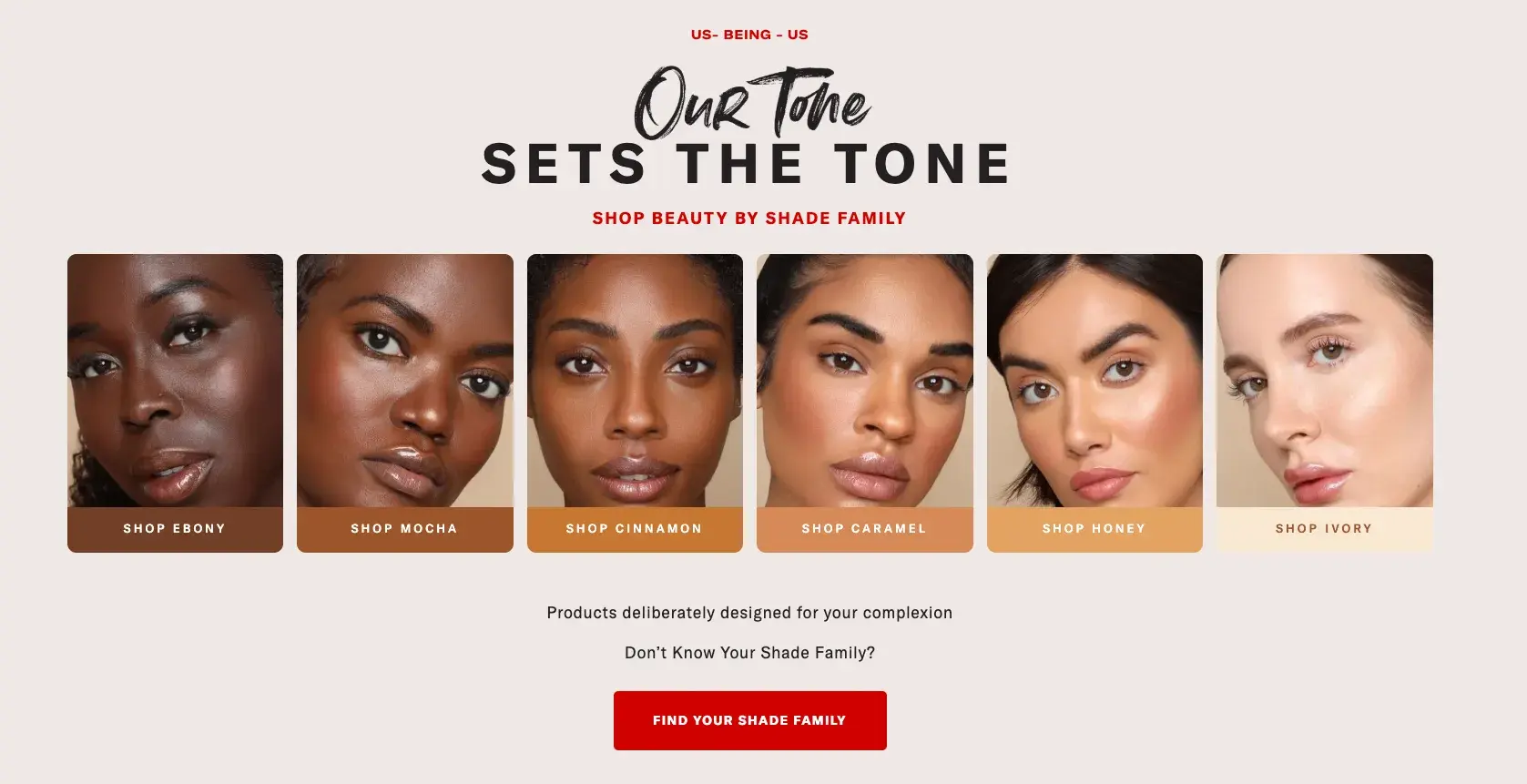
In the beauty industry, shade matching is a significant challenge for online shoppers. The Lip Bar addresses this with virtual try-on technology and a “Complexion Quiz.” These tools allow customers to see how products look on their own faces before making a purchase. The quiz guides users to their perfect foundation match, taking the guesswork out of the buying process.
This strategy is effective because it solves a specific pain point. Online shoppers often hesitate to buy makeup due to the fear of receiving the wrong shade. By providing personalized tools, The Lip Bar builds confidence in the purchase decision. The brand’s messaging reinforces this commitment, stating that its goal is to offer “products deliberately designed for your complexion.” This focus on individual fit enhances the customer experience and reduces return rates.
Expert Tips for Implementing Personalization
Implementing a personalized marketing strategy requires more than just technology. It demands a deep understanding of your customers and your products, as well as a commitment to authenticity and ethics. Here are key principles to guide your approach.
Know Your Customer and Your Product
Seventy-one percent of consumers are frustrated by irrelevant messages. To avoid this, you must ensure that the content you deliver resonates with the recipient. This starts with knowing your customer’s journey and pain points. But it also requires knowing your own product inside and out. Imañya James emphasizes the importance of authenticity. She states, “It’s very important to me that I know exactly what the product does, how it works, how it functions. People can tell when you don’t like something. People can also tell when you’re just trying to sell it.”
When your team is passionate and knowledgeable about the products, that authenticity translates into marketing messages. Customers can sense when a recommendation is genuine versus a generic upsell. Tools like website personalization and ad retargeting can help deliver these relevant messages, but they must be grounded in real product expertise. If you are using a CRM or content hub, leverage these tools to segment audiences based on behavior and interests, ensuring that each message is targeted and meaningful.
Make the Customer Feel Special
Small gestures can have a big impact. Referring to customers by their first name and sending birthday gifts are classic examples of personalization that go a long way. Vivien Tse uses A/B testing for email subject lines and finds that the “reciprocity” approach is highly effective. This involves offering value, such as a gift or discount, without immediately asking for something in return.
Tse explains, “It’s psychology. Here’s an offer for you, or here’s a gift for you. And because I gave you something, you want to give me back something.” This principle leverages human nature to build goodwill. By giving first, you create a sense of obligation and appreciation. This can lead to increased engagement and loyalty over time. The key is to make these gestures feel natural and thoughtful, rather than transactional.
Avoid Being Creepy
There is a fine line between helpful and invasive. Vivien Tse warns, “Don’t be creepy.” According to BCG, two-thirds of customers have had at least one personalized experience that was inaccurate or invasive, leading them to unsubscribe or disengage. This risk is real. If a brand references a purchase the customer made privately or uses data in a way that feels like surveillance, it damages trust.
To avoid this, focus on transparency and relevance. Only use data that the customer has explicitly shared or that is inferred from clear behavioral patterns. Avoid making assumptions that could be wrong. If a personalized message is off-base, it is better to revert to a broader message than to risk alienating the customer. Regularly audit your personalization tactics to ensure they align with customer expectations and privacy norms.
Don’t Forget to Entertain
Personalization should not be purely functional. People enjoy experiences that make them smile or feel entertained. Imañya James notes, “Everyone likes to laugh, everyone likes to enjoy things, and I find that there‘s so much seriousness going on in the world that it’s very important to just take the time to make people have fun with you.”
Incorporating humor, creativity, and entertainment into personalized messages can strengthen the emotional connection with your audience. It shows that your brand has personality and cares about the customer’s overall experience, not just their wallet. Whether it’s through playful email copy, engaging social media content, or interactive website elements, entertainment can make your personalization efforts more memorable and shareable.
Humanizing the Shopping Experience
At its core, personalized marketing is about humanizing the shopping experience. It is about treating customers as individuals with unique needs, preferences, and emotions. How would you want to be spoken to? Would you prefer a generic broadcast or a message that acknowledges your specific situation? Most people choose the latter.
Brands like BÉIS demonstrate this by acknowledging the complex emotions around holidays like Mother’s Day. They allow customers to opt out of related marketing, giving them control over their experience. This respect for customer choice is a form of personalization in itself. It shows that the brand understands that not all customers want the same things at the same time. By putting yourself in the shoes of your customers, you can create marketing that is not only effective but also empathetic.
The Future of Personalization
As technology evolves, so too will the possibilities for personalization. AI and machine learning will enable even more granular and real-time customization. However, the fundamental principles will remain the same: relevance, authenticity, and respect for the customer. Brands that master these principles will not only win visibility in search and social media but also build lasting relationships with their audiences. In an increasingly digital world, the human touch is more valuable than ever. Personalization is the bridge that connects data to humanity, turning transactions into relationships.
We see this shift as a critical component of modern visibility. In the era of generative search and AI-driven discovery, brands that fail to personalize risk being overlooked by algorithms that prioritize relevance and user satisfaction. By focusing on the individual, you align your brand with the future of how people find and interact with information. The question is not whether you can afford to personalize, but whether you can afford not to.





