The Evolution of Search Behavior and Technology
The way people find information has shifted fundamentally over the past decade. In the early days of inbound marketing, search engines were the primary discovery channel, and the strategy was straightforward: publish volume to target long-tail keywords and convert traffic through gated offers. Today, that formula has hit a wall. Search technology and user behavior have evolved in tandem, rendering the old playbook insufficient for modern visibility.

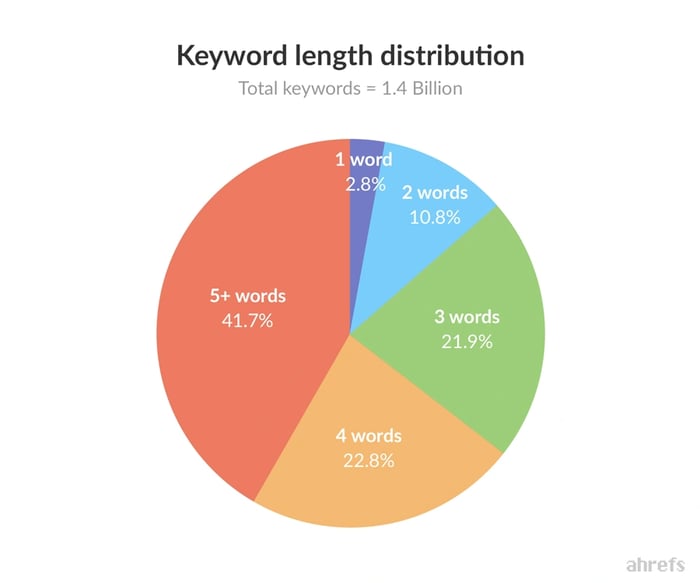
Our search behavior has become significantly more conversational. We no longer type fragmented queries like “restaurants Boston.” Instead, we ask questions as if speaking to a colleague: “Where is the best place to eat near me right now?” This shift is accelerated by the prevalence of voice search and mobile usage. Data indicates that a majority of searches now consist of four words or more, reflecting a natural, human-like interaction with technology. This isn’t just about typing speed; it’s about intent. Users are seeking direct answers, not just a list of links to navigate.
Simultaneously, the technology powering these searches has improved dramatically. Search engines have moved beyond simple keyword matching to semantic understanding. They can now interpret the meaning behind a query, recognizing synonyms and context. For instance, a search for “sneakers” can yield results for “running shoes” because the engine understands the underlying intent. This technological leap means that content must be structured to answer questions comprehensively, not just to contain specific keywords. The era of stuffing pages with repetitive terms is over; the era of contextual relevance has begun.
This convergence of behavior and technology creates a new landscape for content creators. The volume of content on the web has exploded, leading to what some call “content shock.” Quantity no longer guarantees visibility. Quality, depth, and structural clarity are now the primary drivers of success. As we navigate this change, it becomes clear that the old methods of content creation—focused on isolated keywords and thin pages—are no longer sustainable. We must adapt our strategies to align with how search engines now interpret and serve information.
The Impact of Major Algorithm Updates
To understand where we are, we must look at the pivotal updates that reshaped search. The Penguin update, introduced in 2012, was a watershed moment. It penalized webspam and over-optimization, specifically targeting sites that used black-hat techniques like keyword stuffing and irrelevant link schemes. Penguin signaled that search engines would prioritize user experience over manipulative tactics. If your content included random links to unrelated topics just to boost rankings, you were penalized. The takeaway was clear: relevance matters more than density.
Then came Hummingbird in 2013, a core algorithm update focused on semantic search. Hummingbird allowed search engines to understand the meaning behind entire queries rather than just individual words. If you searched for “best place to buy an iPhone near my home,” Hummingbird understood that “place” implied a physical store, not just an online retailer. This update marked the beginning of conversational search optimization. It required content creators to think in topics and themes, not just isolated keywords. The focus shifted from matching terms to answering questions.
RankBrain, announced in 2015, further cemented this shift. As the third most significant ranking factor, RankBrain uses machine learning to interpret searches that don’t have exact keyword matches. It helps search engines understand synonyms and context, ensuring that users find relevant content even if their query differs from the page’s text. RankBrain emphasizes topic-based content, rewarding sites that provide comprehensive coverage of a subject. This update made it clear that search engines are intelligent systems capable of understanding nuance and intent.
| Algorithm | Year | Primary Focus | Impact on Content Strategy |
|---|---|---|---|
| Penguin | 2012 | Webspam & Over-optimization | Prioritize relevance; avoid keyword stuffing and irrelevant links. |
| Hummingbird | 2013 | Semantic Search | Focus on conversational queries and topic meaning over exact keywords. |
| RankBrain | 2015 | Machine Learning | Create topic-based content; ensure comprehensive coverage of subjects. |
These updates collectively demonstrate a clear trend: search engines are becoming smarter, and so must our content. The old playbook of publishing high volumes of thin content to target specific keywords is obsolete. We need a new approach that aligns with semantic search, user intent, and machine learning. This new approach is built on topic clusters, pillar content, and subtopic content.
Building a New Content Playbook with Topic Clusters
The new content playbook is structured around topic clusters, pillar content, and subtopic content. This model helps establish authority in specific areas while creating an efficient information architecture. Instead of focusing on every variation of a keyword, we focus on the topics we want to be known for. This approach allows us to cover subjects deeply and comprehensively, satisfying both user intent and search engine algorithms.
Topic clusters are the foundation of this strategy. A topic cluster is a group of related content pieces that revolve around a central theme. This theme is represented by a pillar page, which provides a high-level overview of the topic. Surrounding the pillar are subtopic pages, which cover specific aspects of the main theme. This structure mimics how humans think and learn, moving from general concepts to specific details. It also helps search engines understand the relationship between different pieces of content.
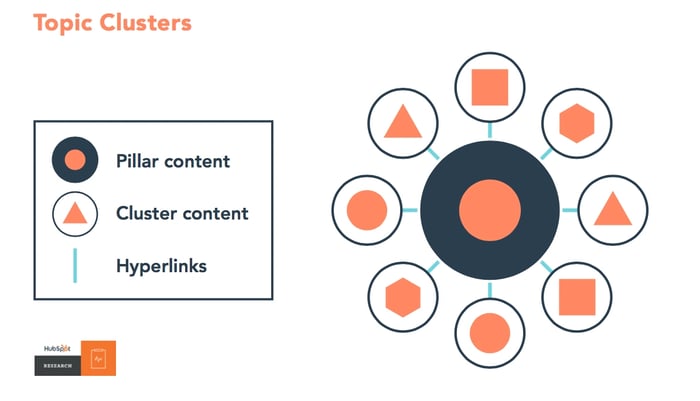
Creating a topic cluster requires careful planning. First, identify the core topics relevant to your business and audience. These should be broad enough to allow for extensive coverage but specific enough to be meaningful. For example, a company specializing in digital marketing might have a topic cluster for “inbound marketing.” This cluster would include a pillar page on inbound marketing, with subtopic pages covering lead generation, content strategy, and email marketing. The goal is to become the go-to resource for that topic.
The Role of Pillar Content in SEO
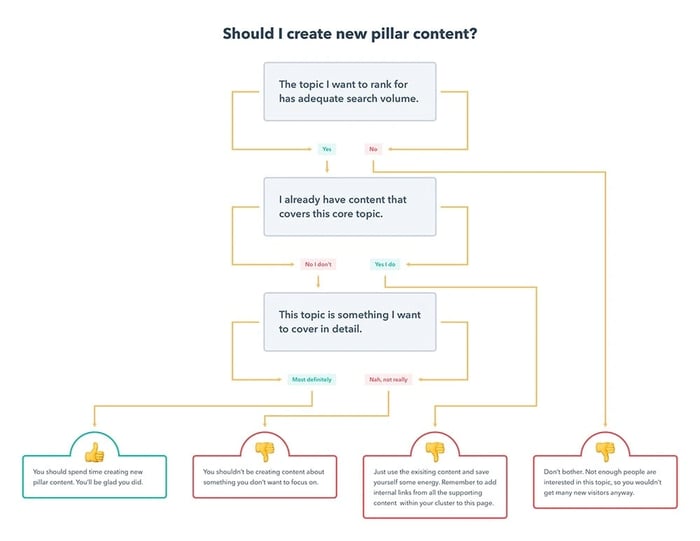
Pillar content is the heart of a topic cluster. It is a comprehensive, long-form page that covers a broad topic in depth. Pillar pages are typically ungated, meaning all content is accessible without a form. This allows search engines to crawl and index the entire page, improving its visibility. Pillar content should answer the most common questions related to the topic, providing a solid foundation for readers and search engines alike.
When creating pillar content, focus on comprehensiveness. Consider all the questions your sales, support, and customer service teams receive about the topic. Incorporate these answers into the page, ensuring that it serves as a definitive resource. Use clear headings, bullet points, and structured data to make the content easy to scan and understand. Remember, users are skimming; they want quick answers. Your pillar page should provide those answers efficiently.
Another key aspect of pillar content is the use of related terms. Search engines like Google understand synonyms and related concepts. When writing your pillar page, include variations of your core topic. This helps the page rank for a wider range of queries, increasing its visibility. For example, if your pillar page is about “website redesign,” include terms like “web design,” “site overhaul,” and “digital transformation.” This semantic richness signals to search engines that your content is authoritative and comprehensive.
Pillar content should also be regularly updated. As your industry evolves, so should your content. Review your pillar pages periodically to ensure they remain accurate and relevant. Add new information, update statistics, and refine your arguments. This ongoing maintenance keeps your content fresh and authoritative, signaling to search engines that your site is a trusted source of information. Over time, this builds domain authority and improves your rankings.
Connecting Subtopics to Drive Authority
Subtopic content supports the pillar page by covering specific, niche questions within the broader topic. These pages are typically shorter and more focused than pillar content. They might be blog posts, guides, or case studies. The key is that each subtopic page links back to the pillar page. This internal linking structure signals to search engines that all these pages are related, building authority for the entire cluster.
When creating subtopic content, focus on long-tail keywords and specific user questions. These are the queries that users type when they are looking for detailed information. For example, if your pillar page is about “inbound marketing,” a subtopic page might cover “how to create a lead magnet.” This page should provide a clear, actionable answer to that question. By addressing these specific needs, you attract targeted traffic and build trust with your audience.
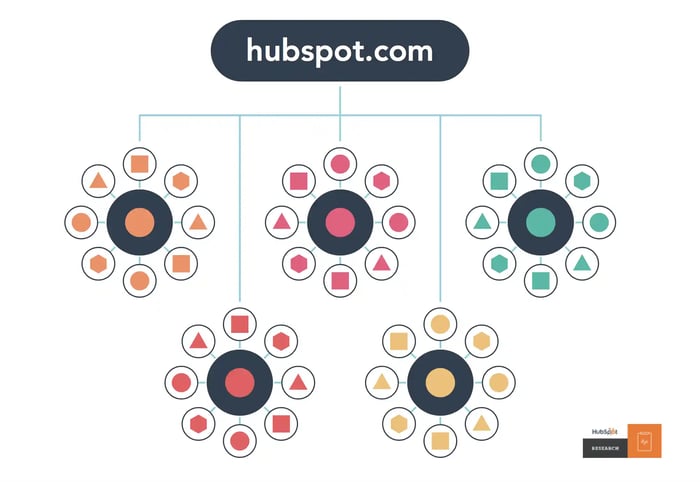
Internal linking is crucial for the success of topic clusters. Each subtopic page should have a text link pointing back to the pillar page. This link should be natural and contextual, placed within the body of the content. It helps search engines understand the hierarchy of your content and reinforces the relationship between the subtopic and the main theme. Over time, this linking structure builds authority for the pillar page, which in turn boosts the visibility of the entire cluster.
Subtopic content should also be optimized for readability. Use short paragraphs, clear headings, and bullet points to make the content easy to scan. Avoid jargon and complex sentences. Remember, your audience is looking for quick, clear answers. If your content is difficult to read, users will bounce, signaling to search engines that your page is not relevant. By prioritizing readability, you improve user experience and boost your rankings.
Optimizing for AI Search and Generative Engines
The rise of AI search and generative engines adds another layer of complexity to content strategy. These engines don’t just return links; they synthesize information to provide direct answers. To be visible in these results, content must be structured, clear, and authoritative. This is where AI Search Optimization (AEO) becomes critical. AEO focuses on creating content that is easy for AI models to understand, extract, and cite.
One key aspect of AEO is the use of structured data. Structured data helps search engines understand the context of your content. It provides explicit clues about the meaning of your pages, making it easier for AI models to extract relevant information. Use schema markup to define entities, relationships, and attributes. This helps search engines understand who, what, where, and why in your content. For example, if you write about a product, use product schema to define its name, price, and availability.
Another important factor is content clarity. AI models prioritize clear, concise, and well-structured content. Avoid ambiguous language and complex sentences. Use active voice and direct statements. Define key terms explicitly. For example, instead of saying “our solution helps you grow,” say “our platform increases website traffic by 20%.” Specificity and clarity make your content more likely to be cited by AI engines. This is not just about SEO; it’s about being useful.
| Traditional SEO | AI Search Optimization (AEO) |
|---|---|
| Focus on keyword density | Focus on semantic meaning and intent |
| Long-form, dense content | Clear, concise, structured content |
| Internal linking for authority | Structured data for entity recognition |
| Meta tags for snippets | Direct answers for AI citations |
| User engagement metrics | Content accuracy and clarity |
Content accuracy is paramount in the age of AI. AI models are trained to identify and prioritize trustworthy sources. If your content is inaccurate or outdated, it is less likely to be cited. Regularly review and update your content to ensure it remains accurate. Cite your sources and provide evidence for your claims. This builds trust with both users and AI engines. Trust is a key ranking factor, and it is essential for long-term visibility.
Finally, consider the user journey. AI search often provides direct answers, but users still need to take action. Ensure your content includes clear calls to action and easy navigation. Make it easy for users to find more information or contact your business. By focusing on the user journey, you improve conversion rates and build a loyal audience. This holistic approach to content creation ensures that you are visible in both traditional search and AI-generated results.
Practical Steps for Implementation
Implementing a topic cluster strategy requires planning and execution. Start by auditing your existing content. Identify your core topics and map out your current content against them. Look for gaps and opportunities. Then, create a content calendar that prioritizes pillar pages and supporting subtopics. This ensures that you build your clusters systematically and efficiently.
Next, focus on internal linking. Review your existing content and add links to your pillar pages. Ensure that each subtopic page links back to its corresponding pillar. This strengthens your site architecture and boosts authority. Use anchor text that is relevant and descriptive. Avoid generic phrases like “click here.” Instead, use phrases that describe the linked content, such as “learn more about inbound marketing.”
Finally, monitor your performance. Use analytics tools to track traffic, engagement, and rankings for your topic clusters. Identify which pages are performing well and which need improvement. Use this data to refine your strategy. Continuously update your content to keep it relevant and authoritative. This ongoing process ensures that your content remains effective in a constantly evolving search landscape.
As we move forward, the importance of adapting to these changes cannot be overstated. The businesses that succeed will be those that prioritize quality, structure, and user intent. By building topic clusters, optimizing for AI, and focusing on clarity, you can ensure that your content remains visible and relevant. The future of search is here, and it’s time to adapt.





