Provenance Metadata: How to Optimize for AI Search Engines
AI-generated responses often feel like a digital black box, delivering information without a clear, traceable path back to its origin. You receive an answer, sometimes perfectly accurate. But can you—or, more importantly, can an AI—trace its exact source with verifiable confidence? In this quickly changing digital landscape, is your expertly crafted content merely a fleeting whisper in the crowded digital room, susceptible to misattribution, rephrasing without credit, or outright disappearance into the vast internet ether? Or is it a meticulously documented, verifiable fact that AI engines can, and will, feel safe citing, directly linking back to your authoritative source? This isn’t just a theoretical question; it’s the most pressing challenge facing content creators and businesses in the age of generative AI.
The crucial missing piece for robust AI citations is provenance – the verifiable digital paper trail that meticulously links every piece of content back to its original creator, official owner, and specific licensing terms. Closing this inherent trust gap is no longer an optional SEO tactic; it’s a foundational requirement for anyone aiming to not just survive, but truly thrive and gain visibility in an AI-driven search landscape, especially when considering how to optimize for AI search engines. This article guides you beyond basic SEO techniques and traditional schema markup, showing you precisely How to Optimize for AI Search Engines by embedding powerful provenance metadata. You’ll discover how to transform your valuable content from a generalized suggestion into an undeniable, trustworthy reference point, ensuring your voice is not only heard but consistently and accurately credited by the intelligent systems shaping our future information consumption and revealing how to optimize for AI search engines effectively.
The AI Trust Gap: Why Basic Schema Isn’t Enough
Imagine a bustling newsroom where AI models are the editors, tasked with sourcing and citing information for millions of daily queries. These AI editors operate with a critical challenge: the “Black Box” problem. Unlike traditional search engines that might surface a list of links for you to evaluate, generative AI aims to provide a direct answer, often synthesizing information from numerous sources. To do this effectively and responsibly, AI models prioritize high-confidence sources—content they can confidently verify and attribute. If an AI can’t confidently ascertain the origin or accuracy of a piece of information, it’s far less likely to cite it, regardless of how relevant or well-written it might be. Your content essentially becomes a whisper in the digital wind, unheard by the very systems shaping tomorrow’s information landscape, making it difficult to how to optimize for AI search engines.
Article Schema: A Necessary, But Insufficient Baseline
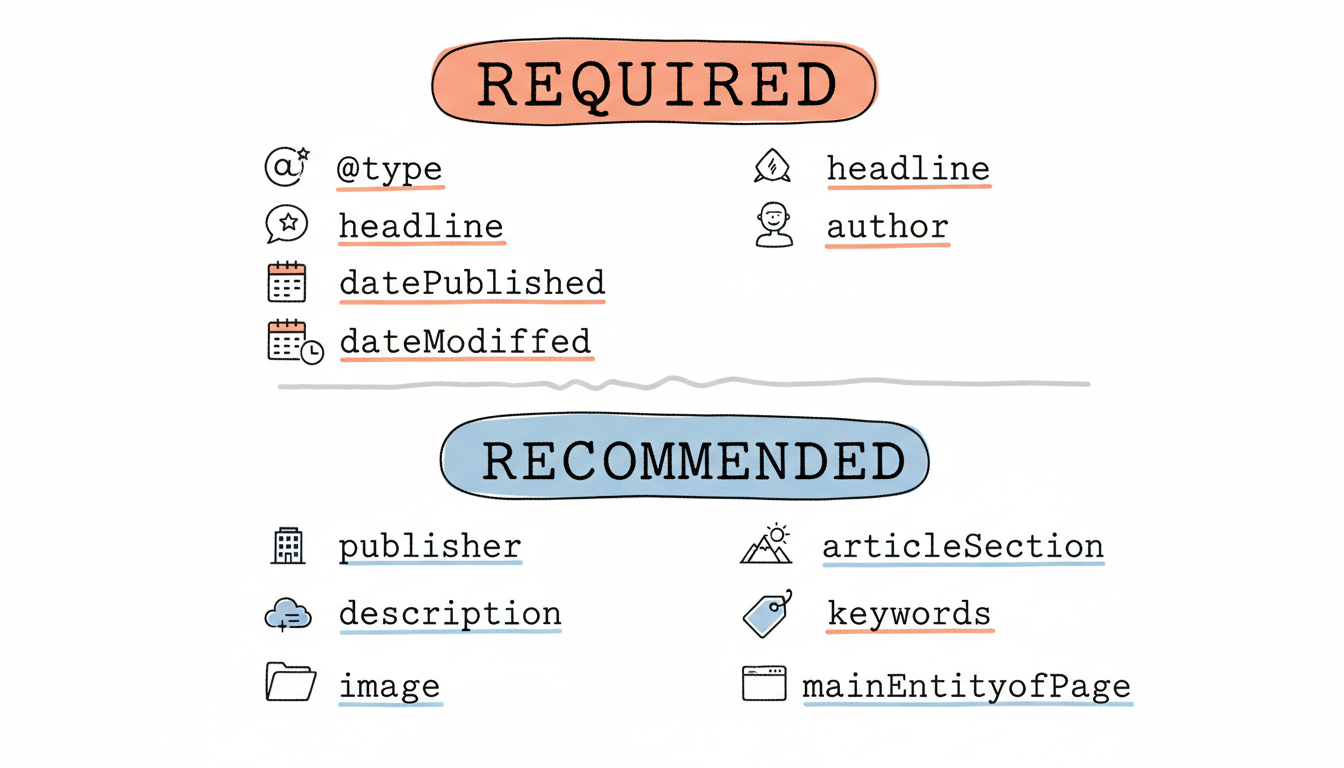
For years, implementing Article schema markup has been a cornerstone of effective SEO. It helps search engines understand that a piece of content is, indeed, an article, providing crucial details like the author, publication date, and headline. This foundational layer is absolutely essential for traditional search engine optimization, allowing your content to be properly indexed and categorized. However, when we talk about how to optimize for AI search engines, this basic Article schema is merely a baseline. It tells an AI what the content is, but not definitively who it’s from or how trustworthy it is in the grand scheme of the internet. It doesn’t inherently provide the robust trust signals for AI search that these advanced models are actively seeking. For AI, simply being an “article” isn’t enough to warrant a citation; it needs to understand the verifiable journey of that information, a critical component of how to optimize for AI search engines.
What is Provenance Metadata? The Digital Paper Trail
This is where provenance metadata schema steps in. Think of provenance metadata schema as the ultimate “digital paper trail” for your content. In the art world, provenance refers to the record of ownership of a work of art, tracing its history back to its creation. For content in the age of AI, provenance metadata schema serves a similar purpose: it’s structured data that meticulously documents the origin, ownership, authorship, and licensing terms of your digital assets. This isn’t just about saying “we wrote this”; it’s about providing machine-readable, verifiable evidence that your organization is the legitimate creator and owner of the information. This level of detail empowers AI models to make high-confidence decisions about content ownership for AI and, crucially, whether to cite your information with unwavering certainty. This strategy is key to how to optimize for AI search engines effectively. It transforms your content from an anonymous data point into a documented fact.
Standard vs. Provenance-Enhanced Schema
Understanding the practical difference between standard schema and provenance-enhanced schema is vital for any effective AI citation strategy and ultimately, for how to optimize for AI search engines. While standard schema provides descriptive details, provenance-enhanced schema provides verifiable assertions about the content’s lineage and legal standing. Let’s look at a comparison:
| Feature | Standard Article Schema |
Provenance-Enhanced Schema (with License, copyrightHolder, sourceOrganization) |
|---|---|---|
| Primary Goal | Describe content type and basic attributes for indexing | Establish verifiable origin, ownership, and usage rights for AI citation |
| Citation Signal for AI | Weak (indicates content is an article, not its authority) | Strong (explicitly signals legal ownership and licensed use) |
| Trust Mechanism | Relies on inferred authority (e.g., domain reputation) | Provides explicit, machine-readable claims of authenticity and ownership |
| Data Source Verification | Limited to generic author and publisher properties |
Extends with detailed copyrightHolder, sourceOrganization, and license links |
| Implication for AI | Content may be summarized but rarely cited as a primary source | Content is primed for direct citation and use in generative AI responses, a primary goal for how to optimize for AI search engines |
By embedding this richer layer of provenance, you’re not just improving your SEO for generative AI; you’re creating a clear, undeniable claim to your intellectual property in an increasingly complex digital ecosystem, which is essential for how to optimize for AI search engines. For a complete overview of optimizing for AI search engines, check out our blog on optimizing for AI search engines. This foundational understanding is the first step in mastering how to optimize for AI search engines.
The Trifecta of Provenance: License, Copyright, and Source Organization
In the dynamic landscape of AI-powered search, simply having great content isn’t enough. To truly secure your place in AI citations and build formidable trust signals for AI search, your content needs a verifiable digital pedigree. This is where the “trifecta of provenance” comes into play: the strategic use of license, copyright holder, and source organization metadata. These three properties work in concert, painting a clear picture for AI models about who created the content, who owns it, and how it can be used, fundamentally enhancing your AI citation strategy and showing you precisely how to optimize for AI search engines.
License Property: Communicating Usage Rights to AI Models
The license property in your schema metadata is more than just a legal boilerplate; it’s a direct instruction manual for AI models regarding content usage. Imagine you’ve created an incredibly insightful guide on optimizing for AI search engines. Without clear licensing information, an AI model might be hesitant to cite or even summarize your content, fearing potential copyright infringement or misattribution. This property explicitly defines the terms under which your content can be consumed, shared, adapted, or used for training AI models, which is crucial for how to optimize for AI search engines. For instance, if you use a Creative Commons license (e.g., CC BY 4.0), you are explicitly telling AI that your work can be shared and adapted, provided proper attribution is given. This clarity reduces ambiguity for AI systems, making your content a much safer and more appealing source for citations, directly impacting how to optimize for AI search engines. Neglecting this crucial piece of provenance metadata schema is like leaving a valuable book on a shelf with no indication of whether it can be borrowed or simply admired from a distance.
Copyright Holder: Defining Ownership Clearly
Beyond usage rights, AI models need to understand who legally owns the content. The copyrightHolder property does precisely this, unambiguously stating the legal entity or individual holding the copyright. This is not merely a formality; it’s a foundational element of content ownership for AI. When an AI model encounters content with a clearly defined copyright holder, it gains a high degree of confidence in the content’s origin and authenticity. This is not just about legal compliance; it’s a critical component of how to optimize for AI search engines. Think of it as a digital watermark of ownership. For example, if a company like AEO/GEO Services publishes an article and its schema clearly states “copyrightHolder”: {“@type”: “Organization”, “name”: “AEO/GEO Services”}, AI models can confidently attribute that information to a specific, verifiable entity. This helps prevent content from being attributed to anonymous or untrustworthy sources, which is a major concern for AI systems designed to provide accurate and reliable information. In the context of SEO for generative AI, clear copyright information enhances the likelihood of proper citation, further aiding your efforts in how to optimize for AI search engines.
Source Organization: Anchoring Content to a Verified Entity
The sourceOrganization property is arguably one of the most powerful trust signals for AI search. It explicitly links your content to a recognized and verifiable entity, such as a company, institution, or publication. This property helps AI models understand the authoritativeness and reputation behind the information. When an AI system sees that content originates from an organization with a consistent online presence, a history of publishing quality content, and a clear “About Us” page, it dramatically increases its confidence in the material. For instance, if a digital marketing agency publishes an article on How to Optimize for AI Search Engines, and the sourceOrganization property points to their well-established brand, AI is more likely to consider that content highly credible. This is especially vital for AI citation strategy because AI models are trained to prioritize information from established, expert sources. Without this anchoring, even the best content might appear to be from an unverified or less reputable source, diminishing its potential for AI citation and making it harder to how to optimize for AI search engines effectively.
Comparing the Provenance Trifecta
To better illustrate, let’s look at how these three crucial properties interact and contribute to the overall trust an AI model places in your content. Understanding how each property contributes individually and collectively is essential for how to optimize for AI search engines effectively.
| Property | Primary Role | Metadata Field Example | AI Trust Impact |
|---|---|---|---|
| License | Defines usage rights and permissions for content. | "license": "https://creativecommons.org/licenses/by/4.0/" |
Informs AI about legal permissions for content use (e.g., reproduction, adaptation). Reduces risk for AI models when citing or generating content based on your data, encouraging broader use and attribution, a key aspect of how to optimize for AI search engines. |
| Copyright Holder | Establishes legal ownership of the content. | "copyrightHolder": {"@type": "Organization", "name": "AEO/GEO Services"} |
Verifies the legal owner of the intellectual property. Enhances confidence in content authenticity and reduces the likelihood of misattribution, making it a stronger candidate for direct citation by AI, crucial for how to optimize for AI search engines. |
| Source Organization | Links content to a verifiable, reputable entity. | "sourceOrganization": {"@type": "Organization", "name": "AEO/GEO Services", "url": "https://www.aeogeo.com"} |
Anchors content to a known, established entity, signaling authoritativeness and reputation. AI models prioritize content from verified organizations, boosting its perceived credibility and ranking potential, directly impacting how to optimize for AI search engines. |
By meticulously defining these three properties within your provenance metadata schema, you are not just ticking boxes; you are actively building a robust framework of trust that makes your content indispensable for future AI citation strategy and critical for how to optimize for AI search engines. This focused effort transforms your digital content into a verifiable, citable asset for generative AI.
Protecting Your Digital Footprint: How to Optimize for AI Search Engines
In the rapidly evolving landscape of generative AI, safeguarding your intellectual property and ensuring proper credit for your original content is more critical than ever. The primary defense against content scraping without proper attribution isn’t complex legal action after the fact, but rather a proactive strategy embedded in your digital foundation: provenance metadata. Think of it as your content’s birth certificate and ongoing legal record, making it unequivocally clear who created it, who owns it, and under what terms it can be used. This is a critical step for how to optimize for AI search engines and secure your brand’s future. When AI models ingest vast amounts of data, a lack of clear provenance can lead to your valuable insights being rephrased and presented without a link back to your original work, effectively erasing your efforts. Implementing a robust provenance metadata schema arms your content with the digital markers necessary for AI systems to accurately identify, attribute, and ideally, link back to your content, turning a potential loss into an opportunity for amplified visibility and demonstrating how to optimize for AI search engines.
Building Authoritative Source Status with Consistent Provenance
Beyond simply preventing unattributed scraping, meticulously applied provenance metadata serves a powerful long-term goal: establishing your brand as an authoritative source within AI ecosystems. What does this mean? It signifies to AI search engines that your content is consistently verifiable, credible, and trustworthy, which is the core of how to optimize for AI search engines effectively. Imagine Google’s AI-powered search results consistently pointing users to your site for specific types of information. This isn’t accidental; it’s a direct result of AI algorithms learning to trust the reliability of your content due to its clear content ownership for AI signals.
Establishing this authoritative status is a marathon, not a sprint. Every piece of content published with comprehensive provenance—details like copyrightHolder, license, and sourceOrganization—contributes to this reputation. Over time, as AI models encounter your content, they build an internal profile of your domain as a go-to source, further solidifying how to optimize for AI search engines. This leads to preferential treatment, meaning your content is more likely to be cited in AI-generated summaries, recommended in “learn more” sections, and given higher visibility when users ask AI-powered questions relevant to your expertise. This directly enhances your SEO for generative AI, translating into increased organic traffic and brand recognition, and is fundamental to how to optimize for AI search engines.
Maintaining Your Metadata: A Crucial Digital Asset Management Task
Creating provenance metadata is a vital first step, but its effectiveness hinges on its accuracy and currency. Organizational structures, content licensing agreements, and even brand identities can change, and your provenance metadata schema must evolve with them. Forgetting to update these critical details is akin to having an out-of-date copyright notice on a physical book; it weakens your claim to ownership and can confuse AI models about the correct AI citation strategy, hindering your ability to how to optimize for AI search engines.
Implementing a systematic review process is non-negotiable. Designate a “Content Governance Lead” or a “Digital Assets Manager” responsible for overseeing these updates. For example, if your company merges with another, the sourceOrganization and copyrightHolder fields for all existing and new content will need immediate adjustments. Similarly, if you revise your content licensing terms (e.g., moving from “All Rights Reserved” to a specific Creative Commons license), every relevant piece of content’s license property must be updated. Tools and platforms designed for SEO for generative AI often include features for bulk metadata editing or automated checks, simplifying this ongoing task. Neglecting these updates can erode the trust signals for AI search you’ve painstakingly built, potentially leading to misattribution or, worse, your content being overlooked entirely, hindering your efforts in how to optimize for AI search engines.
Gone are the days when your content was just another search result, hoping to be found amidst countless others. With provenance metadata, you’re actively transforming your valuable insights into verifiable references that AI models can confidently cite. This is a foundational step in how to optimize for AI search engines and establish deep trustworthiness.
In this evolving AI landscape, trust is the ultimate currency. By meticulously detailing the license, copyright, and source of your content, you provide AI search engines with the definitive signals they need to elevate your work as an authoritative source. It’s about giving AI the confidence to point directly to your expertise. Taking ownership of your digital footprint, especially through robust provenance, empowers you to shape how your brand is recognized and utilized by the intelligent systems of tomorrow. Start today, and secure your place as a trusted voice in the AI era, demonstrating precisely how to optimize for AI search engines for lasting impact.
AEO/GEO
Want to learn more?
Contact us for direct consultation and support.