The Productivity Paradox of Scaling With Generative AI
You have likely felt the sting of the “productivity paradox” in your marketing efforts. You adopt generative tools, hoping for an instant boost, only to find results stalling. Research indicates that over 70% of enterprise AI projects never progress beyond the pilot phase. This disconnect usually stems from a lack of the operational structure required to make technology sustainable.
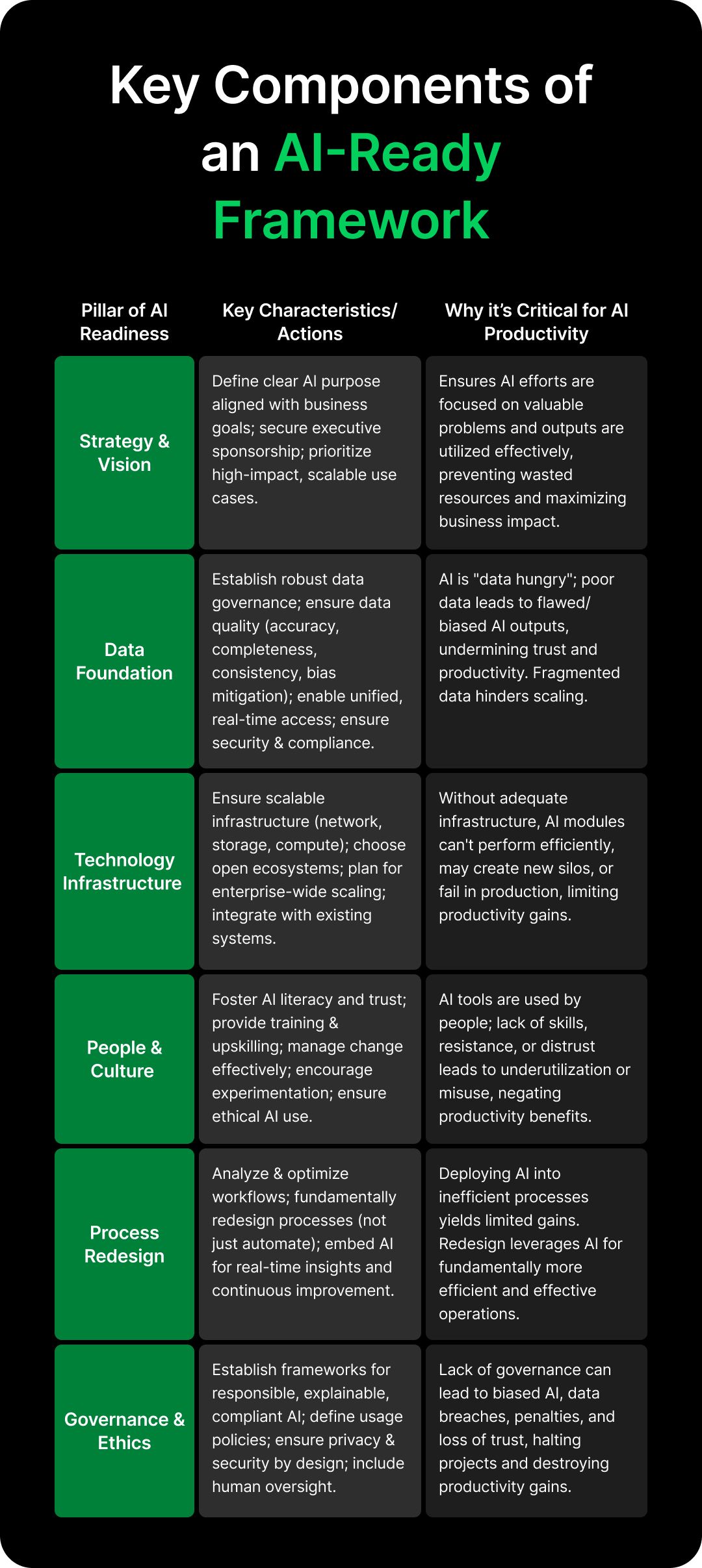
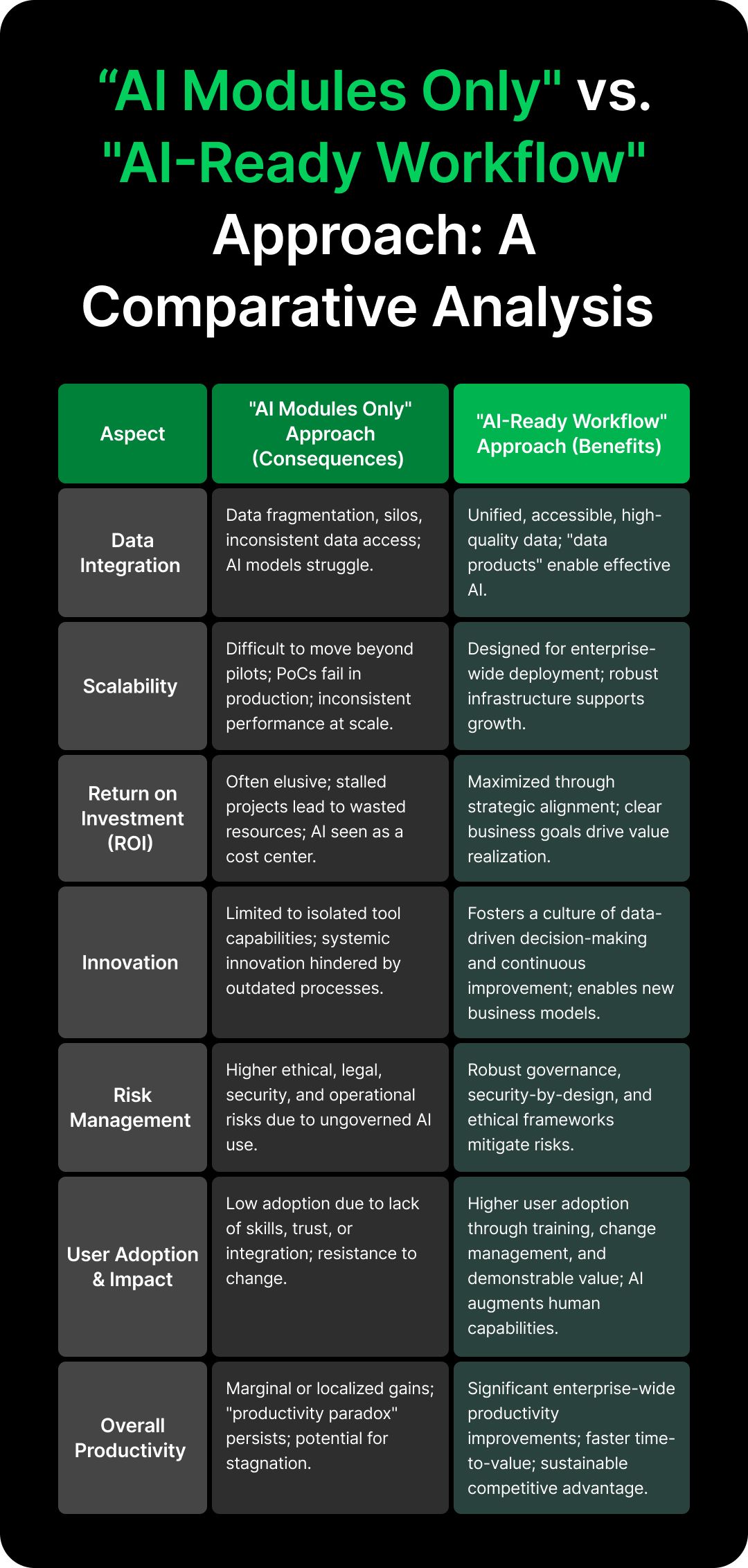
When you treat AI as a quick fix rather than an integrated process, your content suffers from inconsistency and a lack of depth. Scaling content for AI search requires more than just high-volume generation; it demands a strategy-first mindset where workflows, E-E-A-T signals, and structured data act as the foundation of your output. Moving from chaotic experimentation to a mature AI content pipeline involves a phased approach that prioritizes precision.
Phase 1: Diagnosis and Workflow Redesign
Success begins with a rigorous evaluation of how work flows through your team. This diagnostic phase ensures your AI content pipeline is built on efficiency rather than automating existing chaos.
Auditing Your Existing Content Workflow
Map your current production process from ideation to publication. Look for bottlenecks where manual tasks—such as research or basic data compilation—delay output. By identifying where human effort is trapped in administrative overhead, you liberate your team to focus on high-level strategy. Establish baseline metrics, such as total volume and production costs, to calculate the ROI of your strategy later.
Designing an AI-Human Collaboration Model
True maturity comes from a process-first mindset. Define explicitly where the human remains in the loop. While AI can draft text or summarize research, human expertise is required for brand alignment, fact-checking, and delivering E-E-A-T signals. Use a feasibility matrix to categorize your content needs:
| Content Type | AI Suitability | Human Requirement |
|---|---|---|
| Data Summaries | High | Verification |
| Thought Leadership | Low | Strategic Insight |
| Technical Tutorials | Medium | Step-by-Step Accuracy |
| Social Media Posts | High | Brand Voice |
| Product Comparisons | High | Nuance and Context |
By categorizing content, you ensure your generative search optimization efforts do not sacrifice quality for speed. Use AI for heavy lifting, while reserving human subject-matter experts for the high-value insights that build trust.
Phase 2: Building the Pilot and Feedback Loop
Select a single, well-defined content vertical to serve as a sandbox. By isolating one area—such as a specific product line—you can measure the impact of your strategy without disrupting operations.
Establishing Human-in-the-Loop Quality Assurance
AI is a powerful accelerator, but it requires oversight. Treat AI drafts as foundational material rather than final copy. Human editors must review these drafts for tone, accuracy, and alignment with your unique value proposition to prevent brand drift.
Leveraging Structured Data for AI Clarity
To excel in generative search optimization, your content must be machine-readable. Use structured data (JSON-LD) to ensure content is optimized for AI answer engines. Schema markup acts as a roadmap for large language models, clarifying the relationship between your questions, answers, and data points.
Documenting Failure Points
Identifying failure points is a sign of success. Document instances where an AI engine fails to cite your content to refine your internal prompts. Ask yourself if the answer was buried or if the schema struggled to interpret your data. This iterative feedback loop is the most effective way to harden your operations against a changing search landscape.
Phase 3: Scaling via Governance and Integration
Scaling content requires a framework that keeps your brand voice consistent. Treat your pipeline as a scalable business process rather than a collection of scattered tasks.
Implementing AI Governance
Develop an internal Style & AI Governance guide. This document should codify your brand voice, formatting preferences, and E-E-A-T requirements. Defining clear rules for tone and citation standards ensures that every piece of content remains a faithful representative of your brand.
Integrating Tools for Frictionless Publishing
Efficiency stems from how well your AI tools communicate with your technology stack. Integrate generative platforms directly with your CMS and analytics. When your engine pulls data directly from your CMS, your team can focus on strategy rather than administration.
Visualizing the Shift in Efficiency
The following table illustrates the potential shift in effort when migrating to an optimized AI content pipeline:
| Content Type | Manual Effort (Hours) | AI-Assisted Effort (Hours) | Quality Impact |
|---|---|---|---|
| Blog Posts | 6–8 | 2–3 | High |
| Social Updates | 1–2 | 0.25 | Moderate |
| FAQ Pages | 4–5 | 1 | High |
| Research Reports | 20+ | 8–10 | High |
Scaling is not about producing more; it is about reallocating expertise toward high-value tasks. By reducing time spent on routine drafting, your team gains bandwidth to focus on the unique insights that answer engines prioritize.
Phase 4: Continuous Optimization and Trust Building
Scaling content is an ongoing commitment to refinement. As search behavior shifts, your goal is to ensure your content remains the most accurate, authoritative source in your niche.
Hardening E-E-A-T into Automated Workflows
E-E-A-T (Experience, Expertise, Authoritativeness, and Trustworthiness) is a core requirement for automated publishing. Ensure your system generates content that includes verifiable human signals:
- Credential Verification: Use standardized author bio schemas and headshots.
- Source Transparency: Cite primary sources such as original case studies or industry white papers.
- Fact-Checking Loops: Implement a manual review step for high-stakes topics before indexing.
Monitoring Performance in a Zero-Click World
Traditional metrics are no longer the sole indicator of success. When a user finds an answer directly in an AI overview, they may never visit your site, yet you have provided the source of truth.
| Metric Type | Data Source | What It Tells You |
|---|---|---|
| AI Mentions | Brand Monitoring | Are models citing your domain? |
| Zero-Click Impact | Search Console | Are you earning impressions for key intent? |
| Referral Traffic | GA4 | Are answer engines sending clicks? |
| Citation Quality | Manual Checks | Does the AI summarize your points accurately? |
Iterating for Maximum Extractability
To remain competitive, analyze which formats win citations. Lead sections with a 40–60 word direct answer to facilitate LLM extraction. Expand FAQ sections to cover long-tail queries and turn complex comparisons into structured tables. By treating content maintenance as an engineering task, you signal to both engines and users that your organization is a reliable authority.
AEO/GEO
Want to learn more?
Contact us for direct consultation and support.