Scaling Content as the Blue-Link Race Fades
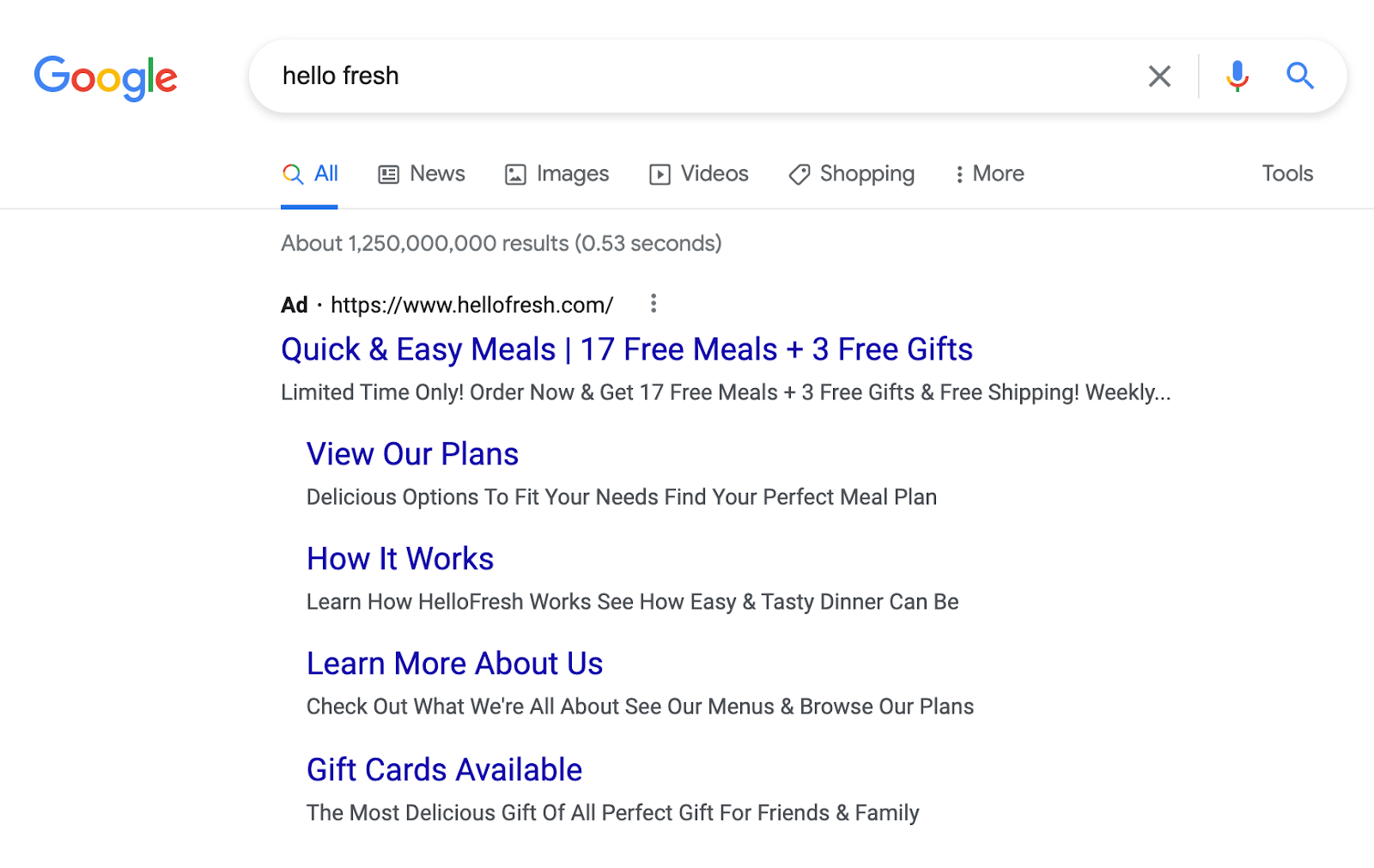
The way people find information is changing. For years, the digital landscape was defined by blue links and the race to rank at the top of a search engine results page. Today, that world is shifting toward instant, AI-generated summaries that provide answers directly within the interface. While traditional ranking remains important, the new goal for modern brands is to become the trusted source that AI models cite, quote, and rely on to inform their users.

This transition marks a fundamental pivot in how we approach our digital presence. When users turn to tools like ChatGPT, Gemini, or Google AI Overviews to resolve their queries, they aren’t necessarily looking for a list of websites to visit; they are looking for a definitive, synthesized answer. Scaling content for AI search requires a departure from old-school tactics. It is no longer enough to just target keywords; you must now optimize for machine readability, clarity, and authority.
Understanding the Shift: Why ‘Answer-First’ Matters
Traditional search engine optimization (SEO) has long been a game of chasing blue links. For years, we optimized websites to rank higher on a list of results, hoping users would click through to our pages. Today, however, Answer Engine Optimization (AEO) is changing the rules. While SEO competes for a ranking position, AEO competes to be the definitive, trusted source that AI models like ChatGPT, Google AI Overviews, and Perplexity choose to cite, quote, and surface directly in their synthesized answers.
Prioritizing High-Signal, Self-Contained Information
AI models process data to find the most accurate and efficient answer to a user’s prompt. When you are scaling content for AI search, you must move away from long-winded introductions. Instead, these models prioritize high-signal, self-contained information. By providing a clear, concise definition or response at the very beginning of your content, you make it significantly easier for an AI to parse your text and extract the exact information it needs.
The Rise of the Zero-Click Environment
We are entering an era of zero-click search, where the user gets the information they need without ever leaving the AI’s interface. If you rely solely on traditional SEO metrics like click-through rate, you might feel like your traffic is stalling. However, being cited in an AI overview offers a new form of value: brand authority. To thrive, you must adopt an AEO strategy that focuses on being the source of truth rather than just another result in a list.
Defining the Answer-First Approach
Answer-first content is designed specifically to be cited. It starts with a 40–60 word summary that addresses the primary user intent immediately. By using structured definitions—such as “X is a Y that does Z”—you provide the exact text that AI engines are programmed to lift and display. This is the bedrock of effective AI content production.
Architecting Content for AI Reasoning
The most effective strategy is to lead every section with a concise, standalone answer. By providing a clear, accurate summary of roughly 40–60 words, you enable AI models to instantly grasp the core takeaway and cite your content as an authoritative source. This approach is fundamental to successful Answer Engine Optimization.
Moving Beyond Keyword Density
Traditional search optimization often prioritized keyword density, which sometimes led to repetitive or unnatural writing. In the era of generative search optimization, this approach is outdated. Modern AI content production requires entity-rich content that clearly defines concepts for Large Language Models (LLMs). LLMs are designed to process natural language patterns, meaning they prioritize context and logical structure over simple word frequency.
Comparing Optimization Strategies
When transitioning your editorial process, it is helpful to contrast older SEO habits with the new requirements of an AEO strategy.
| Feature | SEO-First Tactics | Answer-First Tactics |
|---|---|---|
| Primary Goal | Earn a ranked link/click | Be cited as a source |
| Content Focus | Keyword volume & density | Clarity, accuracy, & utility |
| Structure | Long-form narratives | Modular, definition-driven blocks |
| Formatting | Link-focused architecture | Answer boxes & concise summaries |
| Data Usage | Hidden metadata focus | JSON-LD schema & text clarity |
Leveraging Structured Data to Remove Ambiguity
Structured data acts as a vital roadmap for AI crawlers, transforming raw HTML into clear, machine-readable language. By implementing Schema.org markup, you provide the context engines need to interpret your content accurately. When you are scaling content for AI search, this markup bridges the gap between human-readable text and the sophisticated data models that power Answer Engine Optimization.
Essential Schema Types for AI Visibility
To maximize your chances of being featured in AI-generated answers, prioritize specific schema types that align with how models synthesize information:
- FAQPage: Perfect for question-heavy content. Wrapping your Q&A pairs in this schema makes them prime candidates for direct extraction by AI engines.
- HowTo: Best for step-by-step tutorials. It explicitly tells an engine the sequential steps to solve a task.
- Article: Vital for establishing entity authority, including author bios, publication dates, and publisher information.
- Organization: Defines your brand entity, ensuring that models understand who you are and how you relate to your social profiles and domain.
Schema Implementation Checklist
To ensure your AI content production remains robust, integrate this checklist into your standard publishing workflow:
- Select the correct Schema type: Match the markup to the specific content intent.
- Generate clean JSON-LD: Place the markup in the head section of your HTML for faster, cleaner parsing.
- Verify content alignment: Perform a manual check to ensure the schema values match the visible text on the page exactly.
- Validate before publishing: Use a structured data testing tool to scan your code for syntax errors.
- Monitor performance: Regularly check if your marked-up content is appearing in generated results as expected.
Building Authority Through E-E-A-T
In the era of generative search optimization, your brand’s digital reputation is a measure of trust. E-E-A-T—which stands for Experience, Expertise, Authoritativeness, and Trustworthiness—acts as the foundational framework for how AI models evaluate your content. Because AI engines aim to synthesize accurate information, they prioritize sources that provide clear, demonstrable evidence of quality.
Demonstrating Expertise and Transparency
To prove to AI models that you are a reliable authority, move beyond generic summaries. Include original case studies, unique data points, and personal insights that cannot be replicated by automated tools. Always attribute your content to named authors with visible credentials.
When you make a claim, provide internal or high-quality external links to the primary research or data behind it. This practice makes it easier for an AI to verify your facts, increasing the probability that it will reference your brand as a source. Finally, ensure your site remains technically accessible. Do not accidentally block AI crawlers like GPTBot or Google-Extended via your robots.txt file, as this removes your brand from the competitive landscape of AI-generated answers.
Successfully implementing an AEO strategy requires a shift in how you view your website. Instead of seeing it as a destination for clicks, view it as a knowledge repository for AI models. By consistently delivering depth, accuracy, and transparent authority, you position your brand as an essential resource that generative engines feel compelled to cite.
AEO/GEO
Want to learn more?
Contact us for direct consultation and support.