Semantic SEO: Optimizing Entity Relationships for AI Search
Searching in 2026 feels less like browsing a dusty card catalog and more like engaging in a conversation with a brilliant librarian who knows every book by heart. In the past, ranking online meant acting like a detective searching for specific clues, hoping the search engine would notice your exact keyword repetitions. Today, that model is obsolete. AI algorithms have evolved into sophisticated context-architects that map the complex web of relationships between concepts, people, and ideas rather than just scanning for strings of text.
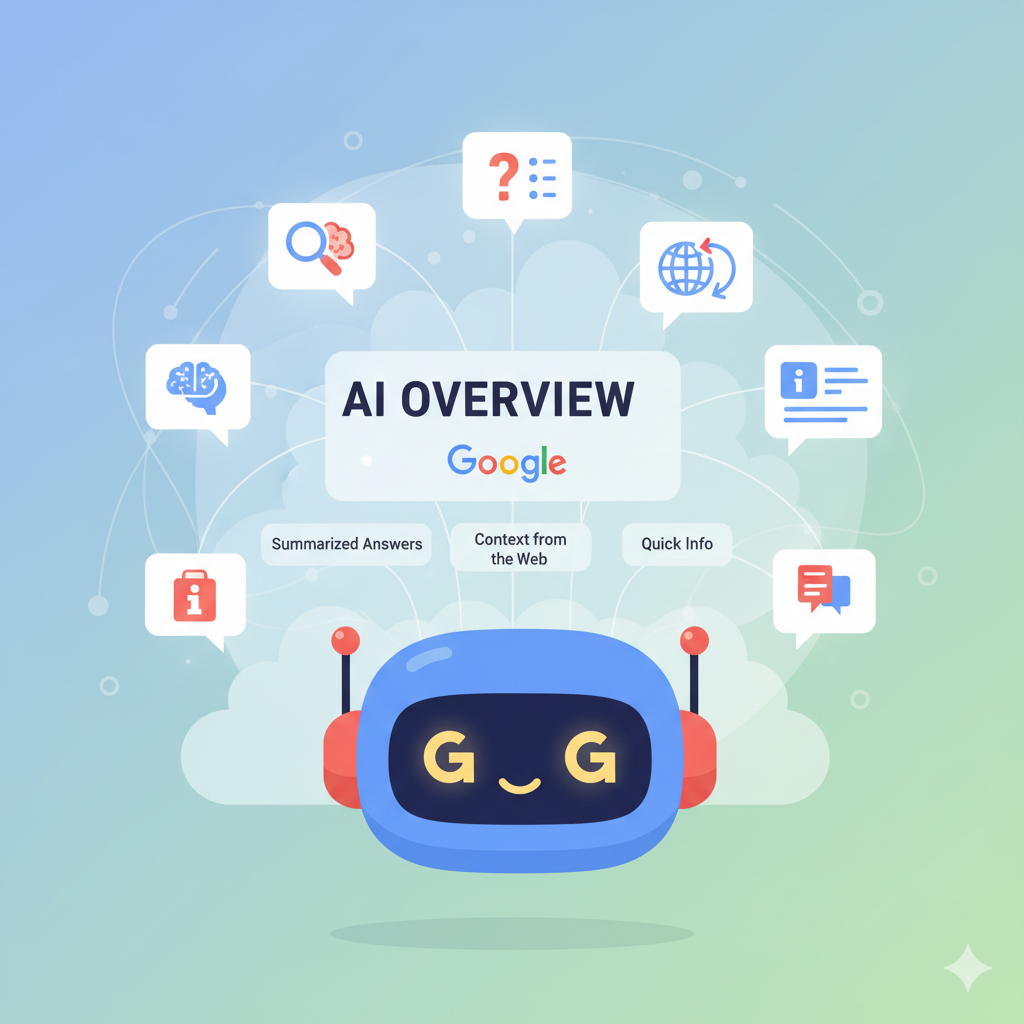
This shift toward Semantic SEO means your success depends on how well you define and connect your core concepts rather than how often you repeat a search term. If your content exists as an isolated island, modern AI will likely overlook it. To thrive, you must provide the context that search algorithms crave, acting as a translator that bridges the gap between raw data and meaningful information. Understanding how to optimize for AI search engines is the difference between being a forgotten page in a database and becoming a trusted resource in an AI-powered ecosystem.
Moving Beyond Keywords: The Rise of Entity Relationship Mapping
For years, the gold standard of digital visibility was simple: pack your page with the right keywords and hope the crawler noticed. Today, the landscape of AI search algorithms has fundamentally changed. We are shifting away from rigid, keyword-focused indexing toward sophisticated, entity-based knowledge graphs. Instead of looking for a specific string of text, modern AI interprets the world as a massive, interconnected web of concepts and relationships.
What Is an Entity?
In the context of modern search, an entity is a uniquely identifiable person, place, organization, concept, or thing. Think of entities as the nouns of the internet. When an AI reads your content, it isn’t just scanning for frequency; it’s identifying that “Apple” refers to a technology corporation, not a piece of fruit, based on the surrounding context. By grounding your content in distinct entities, you help search engines categorize your information with near-human precision.
The New Competitive Edge: Mapping Relationships
The real power lies in how these entities relate to one another. An AI search engine looks for the relationship between topics—such as how “electric vehicles” connect to “lithium-ion batteries” and “charging infrastructure.” Your competitive edge is mapping these relationships explicitly within your site structure. You aren’t just writing an article; you are constructing a map of expertise.
| Feature | Old SEO (Keyword-based) | Semantic SEO (Entity-based) |
|---|---|---|
| Primary Goal | Search Volume | Context & Topical Authority |
| Strategy | Keyword Density | Entity Relationship Mapping |
| Content Focus | Exact Match Terms | Concepts and Meaning |
| Algorithm Logic | Word Matching | Knowledge Graph Association |
| Success Metric | Click-through Rates | AI Trust & Topical Coverage |
Architecting Your Knowledge Graph: How to Structure Data for AI
To ensure AI search algorithms correctly interpret your brand, you must provide a clear, machine-readable structure. This involves creating a digital map of your expertise that AI can easily traverse. By mastering entity disambiguation and structured data, you teach search engines exactly who you are, what you offer, and why your content is a definitive source of truth.
Mastering Entity Disambiguation
AI search engines encounter millions of concepts daily. Entity disambiguation is the critical process of defining your brand as a unique, singular entity. By providing specific, verifiable identifiers—such as your official URL, physical address, and founder information—you ensure the AI draws a definitive line between your organization and others.
Leveraging JSON-LD Schema Markup
Schema markup acts as the universal language for search engines, and JSON-LD is the format they prefer. It tells the AI precisely how your content links to broader concepts in an industry-wide knowledge graph.
| Schema Type | Purpose for AI | Benefit |
|---|---|---|
| Organization | Defines identity and brand entities | Establishes trust and authority |
| BreadcrumbList | Maps the logical site hierarchy | Improves structural understanding |
| Article | Defines the core content concept | Enhances topical relevance |
| FAQPage | Directly addresses specific questions | Increases visibility in AI answers |
Step-by-Step Hierarchy Mapping
Structuring your content requires a coherent hierarchy that mirrors how experts organize knowledge. Follow these steps to build a robust structure:
- Identify your core pillar entity—the main subject you wish to own.
- Break this down into secondary supporting entities that provide deeper context.
- Create individual pages for these sub-topics, linking them back to the core pillar.
- Audit your internal navigation to guide the AI from the broad topic to specific details.
Topical Authority: Building a Content Network that AI Trusts
Search engines no longer view your website as a collection of individual pages but as a cohesive knowledge hub. To succeed, you must embrace Topical Authority, a framework where you move from answering a single question to owning an entire subject vertical through an interconnected network of entities.
Moving Beyond Single Answers to Subject Ownership
When you address a narrow topic with high depth, you signal to AI that you are a subject-matter expert. By building a cluster of content that explores every permutation of a subject, you prevent search engines from perceiving your site as thin or fragmented.
The Anatomy of an Interconnected Content Cluster
An effective structure mimics the way neural networks process information. Every page should point to related entities, creating a web that is easy for bots to crawl and synthesize. Ensure your anchor text is descriptive and entity-focused to provide explicit cues about how your content is related.
Actionable Steps: Optimizing for 2026 Algorithmic Trends
Transitioning to an entity-first strategy requires a shift in how you view your website. Instead of seeing pages as isolated ranking targets, view them as nodes in a growing knowledge graph.
Conducting Your Entity Audit
An entity audit involves mapping out the primary concepts your brand claims to own. Create a spreadsheet of the people, organizations, places, and specific concepts relevant to your niche. Analyze these to see if they are linked via internal navigation and identify “orphan topics” that need more definition.
Expert-Led Content as a Verification Signal
Expert-Led Content acts as a verifiable signal for E-E-A-T (Experience, Expertise, Authoritativeness, and Trustworthiness). When your content is written by known industry practitioners, it signals to AI that the information is grounded in real-world professional experience. According to AEO/GEO, including rich author profiles and credentials within your Schema Markup helps the AI disambiguate your contributors from others, reinforcing your unique identity.
Developer and Strategist Checklist
| Action Item | Responsible Party | Goal |
|---|---|---|
| Implement JSON-LD for all entities | Developer | Structured data clarity |
| Connect internal links by topic | Strategist | Contextual relevance |
| Audit E-E-A-T signals on pages | Strategist | Trust verification |
| Fix entity disambiguation issues | Both | Brand identity precision |
The shift toward Semantic SEO marks the end of an era defined by simple keyword density. You are no longer competing to see who can repeat a phrase the most; you are participating in a conversation where search engines evaluate your brand as a credible, interconnected node within a vast digital knowledge network. By focusing on entity optimization and clear structure, you build a foundation that is inherently useful to humans while being perfectly readable for machines. Start auditing your existing content today, and build your network outward to secure your authority in the AI-native search ecosystem.
AEO/GEO
Want to learn more?
Contact us for direct consultation and support.