What Is Succession Planning?
Succession planning is a strategic process for identifying high-potential employees and preparing them for future leadership roles. It ensures your organization has a ready pipeline of talent to fill critical positions when leaders retire, resign, or advance. Rather than reacting to sudden vacancies, you proactively build a system that sustains your company’s direction and culture. This proactive stance transforms leadership transitions from chaotic events into predictable, manageable milestones.

According to a 2023 report, three years is the critical tipping point when valuable leaders consider whether to seek new opportunities internally or externally. Without a clear path for growth, top talent often looks elsewhere. By implementing a structured succession strategy, you signal to your team that their long-term development matters. This approach reduces turnover and strengthens institutional knowledge, ensuring that critical insights remain within the organization rather than walking out the door with departing staff.
Succession planning extends beyond executive transitions. It applies to mid-level managers, technical specialists, and emerging leaders across every department. The goal is to create a resilient organization where leadership gaps do not disrupt operations or erode morale. When employees see that advancement is possible, engagement and loyalty increase. You build a culture where growth is expected, not accidental, fostering an environment where every employee feels valued and seen for their potential contributions.
The Strategic Foundation of Talent Pipelines
At its core, succession planning is about risk management and continuity. It addresses the “key person risk” that plagues many organizations, where the departure of a single individual could cripple a department or stall strategic initiatives. By mapping out who can step into which roles, you create a safety net that protects the business from unexpected disruptions. This mapping exercise forces leadership to think critically about the specific skills, behaviors, and cultural attributes required for success in each role, rather than relying on vague notions of “potential.”
Furthermore, a robust talent pipeline serves as a competitive advantage in the marketplace. Companies known for promoting from within attract candidates who value career longevity and professional development. This reputation lowers recruitment costs and improves the quality of hires, as applicants are drawn to organizations that demonstrate a commitment to nurturing internal talent. The pipeline becomes a living document that reflects the evolving needs of the business, allowing for agile adjustments as market conditions shift.
Why Succession Planning Matters
The Global Leadership Forecast 2023 shows that 59% of CEOs prioritize attracting and retaining top talent, while 50% focus on developing the next generation of leaders. These priorities reflect a broader shift in how organizations view human capital. Leaders are no longer seen as replaceable resources but as strategic assets that require intentional cultivation. This shift acknowledges that the quality of leadership directly correlates with organizational performance, employee satisfaction, and long-term viability.
Baby boomers are reaching retirement age in unprecedented numbers. This demographic shift creates a leadership vacuum that many companies are unprepared to fill. Without a succession plan, organizations risk losing institutional knowledge, disrupting team dynamics, and delaying critical decisions. The cost of reactive hiring often exceeds the investment in proactive development, both in terms of financial expenditure and the intangible loss of momentum during transition periods.
Promoting from within offers distinct advantages. Internal candidates understand your company’s culture, processes, and challenges. They have established relationships and trust with colleagues. External hires, even highly qualified ones, require time to adapt and often face skepticism from existing teams. Internal promotions maintain continuity and reinforce a culture of meritocracy, demonstrating that hard work and alignment with company values lead to tangible rewards.
Succession planning also supports diversity and inclusion efforts. Companies with women in leadership roles experience nearly 50% higher profit and share performance. By intentionally evaluating candidates across demographics, you reduce unconscious bias and expand the talent pool. Diversity in leadership drives innovation, improves decision-making, and strengthens brand reputation, ensuring that the organization reflects the diverse customer base it serves.
Mitigating the Risks of Leadership Vacuums
The absence of a succession plan can lead to significant operational instability. When a leader departs unexpectedly, the resulting power vacuum often triggers uncertainty among team members. This uncertainty can manifest as decreased productivity, increased anxiety, and a decline in morale. Employees may question the stability of the organization or worry about their own job security. A well-defined succession plan mitigates these risks by providing a clear roadmap for transition, ensuring that business operations continue smoothly regardless of personnel changes.
Moreover, the financial implications of poor succession planning are substantial. Emergency external hires often come with higher salary demands, signing bonuses, and recruitment fees. Additionally, the time it takes for an external leader to become fully productive can range from six months to two years. During this period, the organization may miss critical opportunities or fail to address emerging challenges effectively. In contrast, internal successors are already familiar with the business context, allowing them to hit the ground running and maintain strategic momentum.
Best Practices for Effective Succession Planning
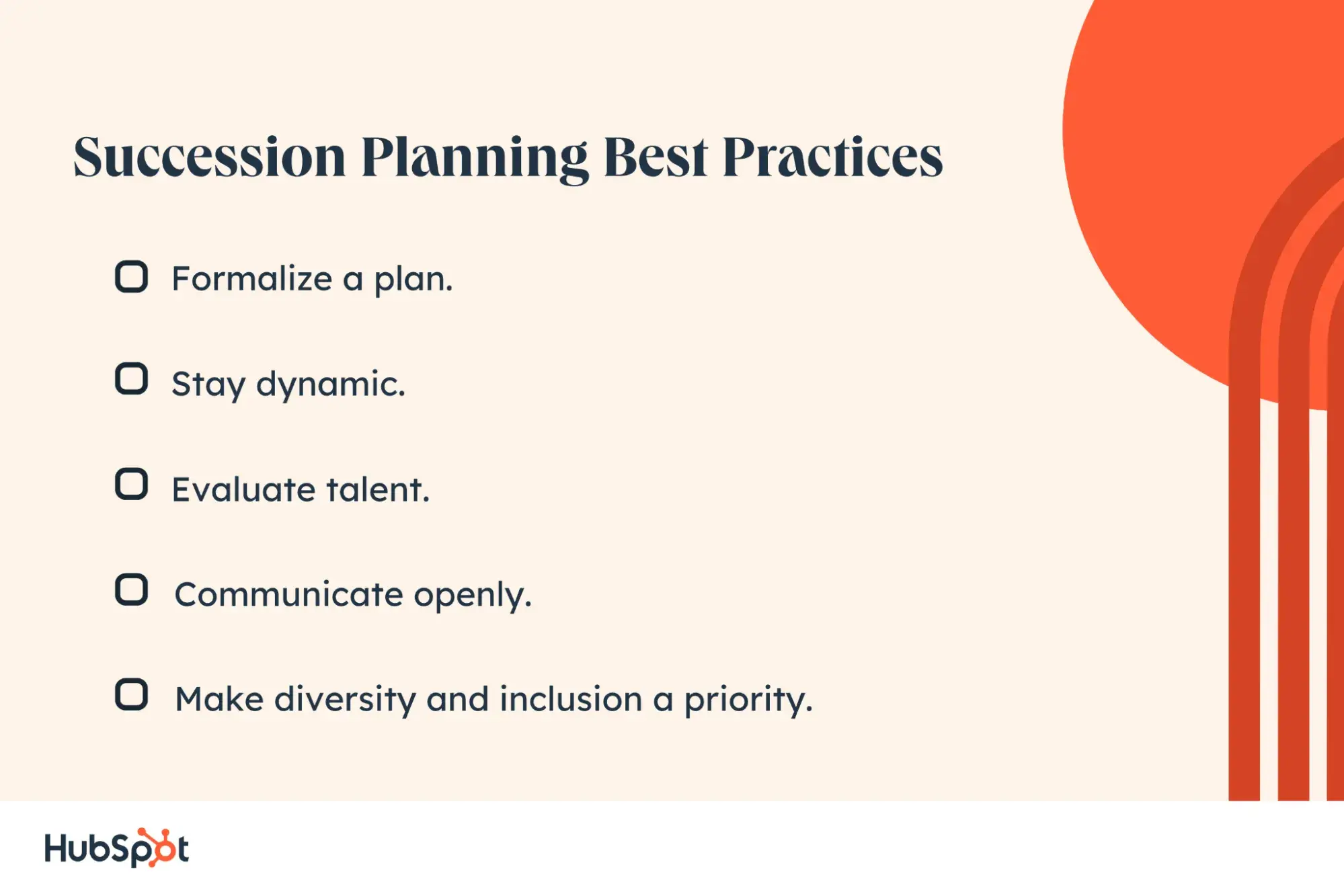
A successful succession plan begins with formal documentation. Writing down your strategy ensures clarity and accountability. It also allows you to communicate expectations to stakeholders and candidates. Without a documented plan, transitions become chaotic and dependent on individual relationships rather than organizational systems. Documentation provides a reference point for future decisions and ensures consistency in how leadership roles are filled.
Your plan should remain dynamic. People change roles, leave the company, or develop new interests. A static plan quickly becomes outdated. Instead, treat succession planning as an ongoing process that evolves with your business needs. Regularly review your talent pipeline and adjust your strategy based on performance data and market conditions. This agility ensures that your plan remains relevant and effective in a rapidly changing business environment.
Talent evaluation requires multiple perspectives. Use 360-degree feedback, performance reviews, and informal assessments to gauge potential. Tools like the nine-box grid help categorize employees based on performance and potential. This structured approach reduces bias and ensures you identify candidates who align with your long-term goals. By combining quantitative data with qualitative insights, you gain a holistic view of each candidate’s readiness for advancement.
Open communication builds trust and transparency. Let candidates know they are being considered for advancement. Share the timeline, expectations, and development opportunities available. Ambitious employees stay engaged when they see a clear path forward. Silence, on the other hand, leads to frustration and attrition. Transparent communication fosters a sense of inclusion and demonstrates that the organization values their contributions and aspirations.
Diversity and inclusion must be integrated into every stage of the process. Evaluate your own biases and ensure your selection criteria focus on competencies rather than familiarity. Diverse teams collaborate more effectively and bring varied perspectives to problem-solving. Prioritizing inclusion strengthens your leadership pipeline and enhances organizational culture, creating an environment where all employees feel empowered to succeed.
Building a Culture of Continuous Development
Effective succession planning is deeply intertwined with a culture of continuous learning and development. Organizations that prioritize leadership development create opportunities for employees to grow their skills and expand their capabilities. This might include access to training programs, mentorship opportunities, and cross-functional projects that expose employees to different aspects of the business. By investing in employee growth, you not only prepare them for future leadership roles but also enhance their current performance and engagement.
Additionally, fostering a culture of feedback is essential for identifying and nurturing high-potential talent. Regular check-ins between managers and employees provide opportunities to discuss career goals, address challenges, and recognize achievements. This ongoing dialogue helps managers identify areas where employees need support and tailor development plans to their individual needs. It also reinforces the idea that leadership is a journey, not a destination, and that every employee has the potential to grow and contribute to the organization’s success.
A Real-World Example: Apple’s Leadership Transition
Apple’s transition from Steve Jobs to Tim Cook illustrates the power of intentional succession planning. Jobs and Cook worked together for over 12 years, allowing Cook to absorb the company’s culture, values, and operational rhythms. When Jobs stepped down in 2011, Cook was already prepared to lead. The company’s market capitalization grew to $3.4 trillion under his tenure. This successful transition underscores the importance of long-term preparation and the value of aligning leadership styles with organizational needs.
Apple also invested in leadership development through programs like Apple University. This executive education system trains leaders to think strategically and innovate continuously. By institutionalizing leadership development, Apple ensures that future leaders embody the company’s core principles. The transition was seamless because the groundwork was laid years in advance, demonstrating that effective succession planning is a marathon, not a sprint.
Today, Apple continues to prepare for future transitions by placing executives in public-facing roles. This approach builds visibility and trust with customers and investors. It also allows potential successors to demonstrate their capabilities in real-world scenarios. The company’s proactive stance on succession planning sets a benchmark for other organizations, highlighting the importance of visibility and credibility in leadership succession.
The key takeaways from Apple’s example are clear. Forge strong relationships between current and future leaders. Invest in structured training programs. Place potential successors in roles that test their skills and build their credibility. These steps create a leadership pipeline that sustains long-term success, ensuring that the organization remains agile and responsive to changing market conditions.
Lessons from Industry Giants
The success of Apple’s transition offers valuable lessons for organizations of all sizes. First, it highlights the importance of early identification and development of potential successors. By starting the succession planning process years in advance, Apple ensured that Tim Cook was fully prepared to assume the CEO role. This early start allowed for a gradual transfer of responsibilities and knowledge, minimizing disruption and maintaining strategic continuity.
Second, Apple’s example demonstrates the value of aligning leadership development with organizational strategy. By investing in programs like Apple University, the company ensured that its leaders were not only skilled in their specific roles but also aligned with the broader vision and values of the organization. This alignment is crucial for maintaining a cohesive culture and driving consistent performance across all levels of the business.
Step-by-Step Succession Planning Process
1. Define Your Goals and Criteria
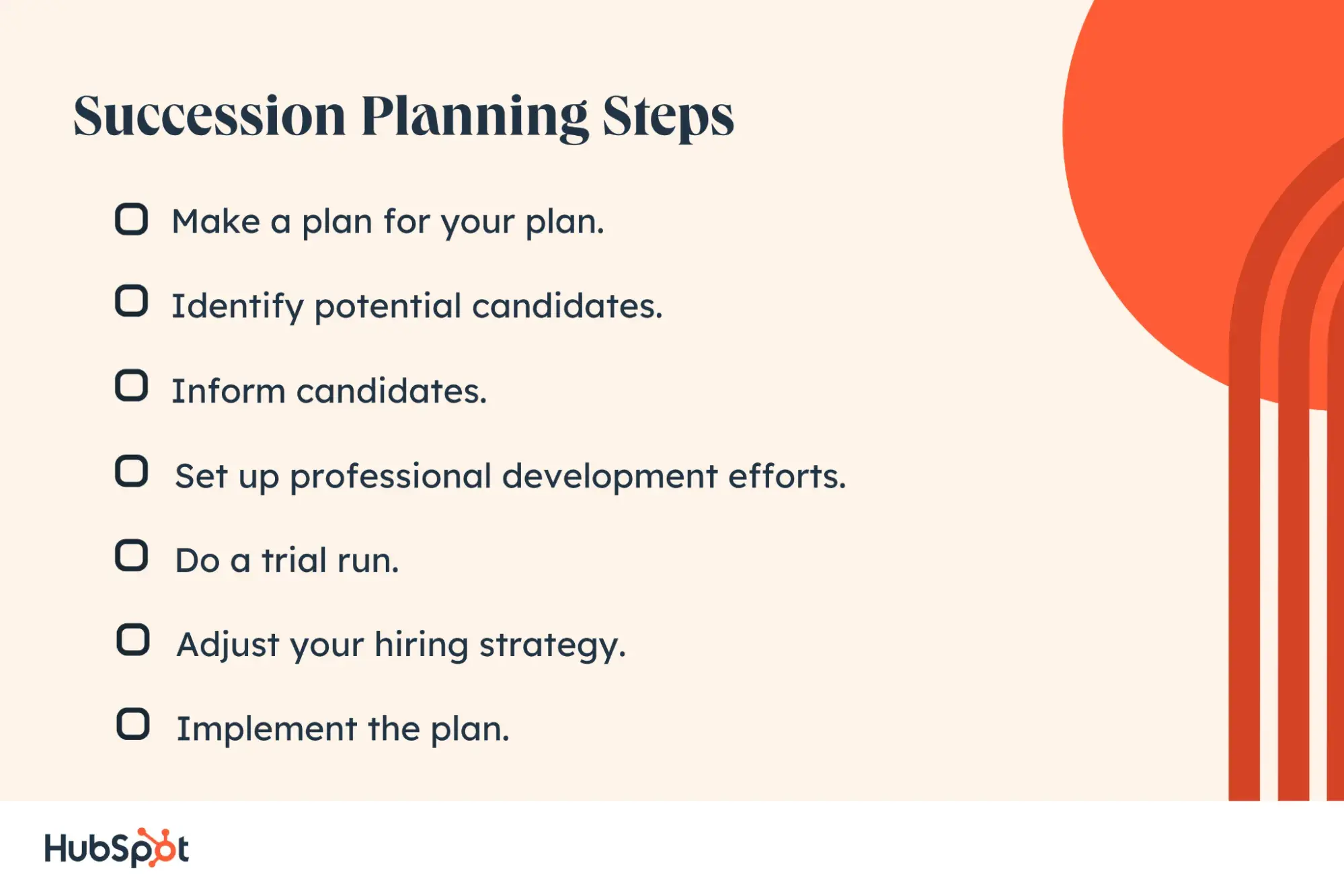
Start by aligning your succession plan with your strategic priorities. Meet with senior leaders to identify the roles, skills, and competencies required for future leadership. Gather feedback from your team and update job descriptions to reflect current and future needs. Forecast turnover trends, retirement dates, and training requirements to anticipate gaps. This foundational step ensures that your succession plan is grounded in reality and aligned with the organization’s long-term objectives.
2. Identify Potential Candidates
Use your defined criteria to seek out candidates across the organization. Look for employees who demonstrate leadership behaviors, such as mentoring others, driving projects, and aligning with company vision. Conduct interviews, surveys, and focus groups to assess their goals and potential. Involve HR to ensure a fair and unbiased selection process. This broad search ensures that you do not overlook hidden talent and that you consider a diverse range of perspectives.
3. Communicate Intentions Clearly
Inform candidates that they are being considered for advancement. Transparency motivates employees and prevents them from seeking opportunities elsewhere. Set clear expectations regarding timelines, responsibilities, and development milestones. If the timeline is uncertain, communicate that clearly and commit to regular check-ins. Clear communication builds trust and keeps candidates engaged throughout the development process.
4. Invest in Professional Development
Create opportunities for candidates to gain experience beyond their current roles. This may include formal training, coaching, mentoring, and cross-functional projects. Tailor development plans to address specific skill gaps and prepare candidates for the demands of leadership. Continuous feedback ensures they stay on track and remain engaged. This investment in development not only prepares candidates for future roles but also enhances their current performance and contribution to the organization.
5. Conduct Trial Runs
Test candidates’ readiness through practical experiences. Assign them to job shadow senior leaders, lead projects in their manager’s absence, or participate in high-level strategy meetings. These trial runs reveal strengths and weaknesses in real-world scenarios. They also build confidence and prepare candidates for the responsibilities of leadership. By providing hands-on experience, you ensure that candidates are truly ready to step into their new roles.
6. Adjust Your Hiring Strategy
As candidates advance, plan for the vacancies they leave behind. Involve them in the hiring process for their former roles to ensure smooth transitions. Adjust your recruitment strategy to account for the ripple effect of promotions. This proactive approach prevents operational disruptions and maintains team stability. By anticipating the impact of promotions, you can ensure that all roles are filled with qualified individuals who can maintain business continuity.
7. Implement and Celebrate the Transition
When the time comes, make the transition public and celebrate the achievement. Announce the promotion clearly and outline the new leader’s goals and expectations. A gradual transition may be necessary in some cases, particularly in family businesses or complex organizations. Celebrating success reinforces the value of internal development and encourages others to pursue growth. This public recognition also signals to the rest of the organization that advancement is possible and valued.
CEO Succession Planning: A Strategic Imperative
CEO succession planning requires a long-term perspective. Harvard Business Review notes that choosing the next CEO is arguably the most crucial decision a board makes. Only 40% of leaders report that their company has high-quality leaders, a significant drop from two years ago. This gap highlights the need for intentional development at the highest level. The board must take an active role in identifying, developing, and selecting the next CEO, ensuring that the choice aligns with the organization’s strategic vision and cultural values.
CEO candidates must align with both short-term priorities and long-term vision. A charismatic leader may not possess the technical expertise required for a specific industry. Evaluate competencies, personal attributes, and experiences against business goals. Think several generations ahead to ensure a continuous pipeline of qualified candidates. This forward-thinking approach ensures that the organization is prepared for future challenges and opportunities.
Identify multiple potential CEOs across different generations. This approach reduces pressure on individual transitions and maintains a robust talent pool. Train candidates through a combination of on-the-job experience, executive coaching, and cross-functional assignments. Board meetings should integrate strategy discussions with talent development to ensure alignment. By diversifying the candidate pool, you increase the likelihood of finding a leader who can drive the organization forward in a rapidly changing world.
The Board’s Role in CEO Succession
The board of directors plays a critical role in CEO succession planning. They are responsible for overseeing the process, ensuring that it is conducted fairly and transparently. The board must also provide guidance and support to potential candidates, helping them develop the skills and experiences necessary for the CEO role. This involvement ensures that the succession plan is aligned with the organization’s strategic goals and that the next CEO is fully prepared to lead.
Additionally, the board must be willing to make difficult decisions, such as passing over internal candidates in favor of external hires if necessary. This decision should be based on a thorough evaluation of the candidates’ qualifications and the organization’s needs, rather than personal preferences or biases. By taking a proactive and strategic approach to CEO succession, the board can ensure that the organization remains competitive and resilient in the face of change.
Employee Succession Planning: Building a Resilient Organization
Succession planning should extend to all levels of the organization. Identifying high-potential employees early allows you to develop their skills and prepare them for future responsibilities. Look for individuals who are adaptable, eager to learn, and comfortable with change. These traits indicate readiness for leadership roles. By focusing on employee advancement at all levels, you create a culture of continuous growth and development.
Engaged employees who see a path for growth are more likely to stay committed to the organization. When key leaders step down or new positions open, you will have a ready pool of qualified candidates. This proactive approach reduces reliance on external hiring and maintains organizational continuity. It also boosts morale, as employees feel valued and recognized for their potential contributions.
Succession planning is not a one-time exercise but an ongoing commitment to talent development. By investing in your people, you build a culture of excellence and resilience. Your organization becomes better equipped to navigate challenges, seize opportunities, and sustain long-term success. This commitment to development fosters a sense of loyalty and engagement among employees, driving overall organizational performance.
Integrating Succession Planning with Strategic Planning
To maximize the impact of succession planning, it must be integrated with the organization’s broader strategic planning process. This integration ensures that the talent pipeline is aligned with the organization’s long-term goals and objectives. By considering future leadership needs in the context of strategic initiatives, you can identify the skills and competencies required to drive success. This alignment also helps to prioritize development efforts, ensuring that resources are allocated to the most critical areas.
Furthermore, integrating succession planning with strategic planning fosters a culture of accountability and ownership. When leaders are held accountable for developing their successors, they are more likely to invest time and effort in mentoring and coaching high-potential employees. This accountability ensures that succession planning is not just a HR initiative but a core component of the organization’s leadership strategy. By embedding succession planning into the fabric of the organization, you create a sustainable model for leadership continuity and growth.
We believe that visibility in the AI-driven search era requires more than just content. It requires strategic foresight, much like succession planning. By preparing your leadership pipeline today, you position your brand to thrive in an ever-evolving market. How are you ensuring your organization’s future readiness?





