The Psychological Power of Brand Mascots
A brand mascot is more than a decorative character; it is a strategic vehicle for humanizing a corporate identity. In an era where consumers are increasingly skeptical of polished, faceless corporate messaging, mascots offer a way to inject personality, humor, and emotional resonance into brand communications. They serve as visual anchors that help audiences remember who you are, what you stand for, and how you make them feel.
When we look at the most successful examples in marketing history, a pattern emerges. These characters are not chosen at random. They are carefully crafted to reflect the brand’s core values, often using cuteness, humor, or relatability to bypass logical defenses and create an immediate emotional bond. This bond is what transforms a transactional relationship into a loyal, long-term partnership.
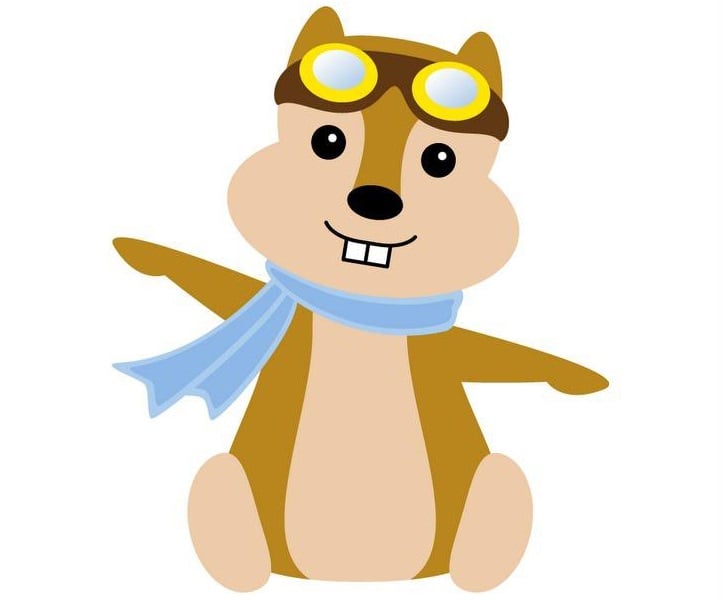
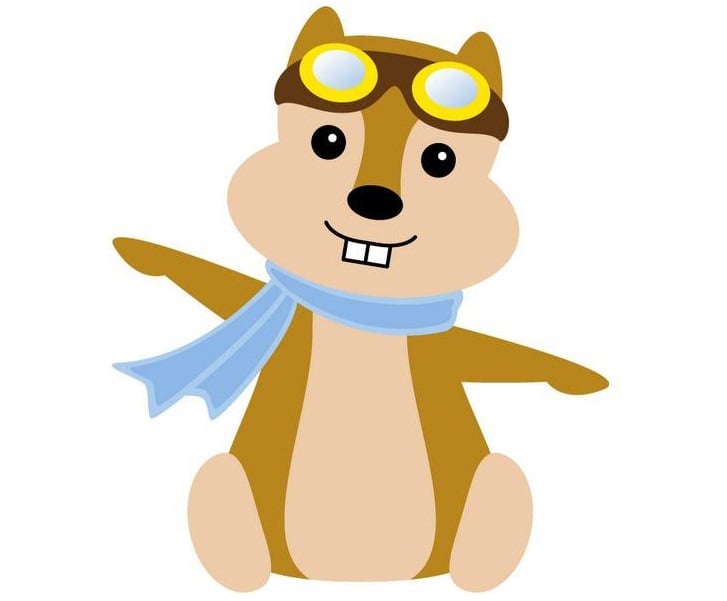
Consider the flight comparison engine Hipmunk. The company leverages a chipmunk mascot that is undeniably cute, with buck teeth and chubby cheeks. This character appears across digital touchpoints, from social media feeds to app interfaces. The effect is immediate: users stop scrolling, emit an audible expression of affection, and develop a positive association with the brand. This emotional response translates directly into business results, as evidenced by users who admit to choosing the platform specifically because they enjoy interacting with the mascot. The character acts as a soft entry point, reducing the friction often associated with comparing complex travel options.
This phenomenon is not limited to consumer-facing brands. Even in technical or B2B environments, mascots can soften the tone and make complex information more approachable. The key is understanding that the mascot is not just an illustration; it is a brand ambassador that carries the weight of your voice and tone.
Why Cuteness and Personality Drive Engagement
The effectiveness of a mascot often hinges on its ability to evoke specific emotions. Cuteness is a powerful driver because it triggers a caregiving response in humans. When a brand character is perceived as cute, audiences are more likely to be forgiving of mistakes, more willing to engage with content, and more likely to share that content with others. This is a form of emotional branding that leverages innate psychological responses.
However, cuteness alone is not enough. The mascot must also have personality. This personality should align with the brand’s overall voice. For example, a tech company might use a mascot that is clever and slightly geeky, while a family-oriented brand might use a character that is warm and nurturing. The alignment between the mascot’s traits and the brand’s values is critical for authenticity.
We see this alignment in the way brands use their mascots across different channels. A mascot that is funny in a video ad should also be funny in a tweet. Consistency in personality builds trust. If the mascot’s tone shifts drastically from one channel to another, it can create confusion and dilute the brand’s message. Therefore, when developing a mascot, it is essential to define its personality traits in detail, including how it speaks, how it reacts to situations, and what its core motivations are.
Tech and Software Mascots: Humanizing the Digital
Technology brands often face the challenge of making complex, abstract concepts feel accessible and friendly. Mascots provide a solution by giving a face to the code. The Android robot is a prime example of this. Despite being a piece of machinery, the robot is designed to be adorable, with a simple, friendly face and a playful body language. This design choice makes the operating system feel less intimidating to non-technical users.
The Android robot’s appeal is further enhanced by the naming convention of its software updates. Names like Jelly Bean, Gingerbread, and Ice Cream Sandwich are evocative and fun, reinforcing the friendly personality of the mascot. This strategy extends beyond the character itself to the broader brand ecosystem. Users create fan art and memes featuring the robot, placing it in various cute scenarios. This user-generated content amplifies the brand’s reach and deepens the emotional connection.
Similarly, the SEOmoz robot demonstrates that B2B marketing does not need to be devoid of warmth. The robot is designed to be approachable, with copy that gives it a distinct, friendly personality. This helps to demystify SEO, a complex and often confusing field, for small business owners and marketers. By using a mascot, SEOmoz was able to position itself as a helpful guide rather than just a tool provider.
The Role of Unexpected Elements in Tech Branding
One of the most effective strategies in tech mascot design is the use of unexpected elements. Dropbox, for instance, uses a box as its mascot. A box is inherently mundane, but Dropbox has imbued it with personality by showing it smiling, wearing a party hat, and interacting with other characters in pastel hilltop scenes. This contrast between the ordinary object and the extraordinary personality creates a sense of surprise and delight.
This strategy works because it subverts expectations. When users see a box that is happy and social, they are intrigued. They want to know more about the brand that would create such a character. This curiosity drives engagement. Additionally, Dropbox occasionally features a dinosaur in its communications, adding another layer of whimsy and unpredictability. These unexpected elements keep the brand feeling fresh and engaging.
Tux, the Linux penguin, offers another perspective on tech mascots. Tux was chosen through a community-driven logo competition, making it a symbol of user-generated content and open-source collaboration. This origin story adds depth to the character, as it represents the values of the Linux community. Tux’s design is simple yet snuggly, making it a recognizable and beloved icon in the tech world. The fact that it has multiple variations allows for flexibility in different contexts while maintaining core recognition.
Legacy and Consumer Goods: Building Long-Term Trust
While tech mascots focus on accessibility, legacy brands in consumer goods often use mascots to build long-term trust and familiarity. The Pillsbury Doughboy is a classic example of this. Introduced decades ago, the Doughboy has remained relevant by evolving with the times while maintaining his core traits. He is chubby, squishy, and giggling, embodying the comfort and joy of baking. His ability to make people laugh, as seen in co-marketing commercials with brands like Geico, keeps him fresh and engaging for new generations.
The Snuggle Bear takes a different approach by leaning into the concept of comfort. The name itself suggests warmth and affection, and the mascot is depicted in various scenarios that evoke feelings of coziness. From being a stuffed animal hugged by children to appearing in scenes of animals and kids snuggling, the bear reinforces the brand’s promise of softness and care. This consistency between the mascot’s imagery and the product’s benefit creates a strong, unified brand message.
The Gerber Baby, introduced in 1928, is perhaps the most enduring example of a mascot built on universal appeal. Babies are inherently cute and evoke strong protective instincts. By using a real baby’s image as its mascot, Gerber taps into these instincts to create a brand that feels trustworthy and pure. The fact that Gerber continues to hold contests for new models of the Gerber Baby shows the character’s lasting power. It is a testament to the idea that some emotional triggers are timeless.
The Importance of Consistency and Evolution
For legacy mascots, the challenge is balancing consistency with evolution. The Tootsie Roll owl, debuted in 1970, has maintained its core identity while undergoing visual updates. The owl’s goofy accent and humorous response to the question of how many licks it takes to get to the center of a Tootsie Pop have made it a cultural icon. The character’s ability to remain funny and relatable across decades is a key factor in its success. However, the visual refreshes ensure that the mascot does not feel dated, keeping it relevant for contemporary audiences.
This balance is critical for brands that want to leverage nostalgia while remaining current. A mascot that is too static can become associated with the past in a negative way, while one that changes too drastically can lose its identity. The key is to evolve the visual style and context while preserving the core personality traits that made the character popular in the first place.
Social Media and Communication: Mascots as Content Engines
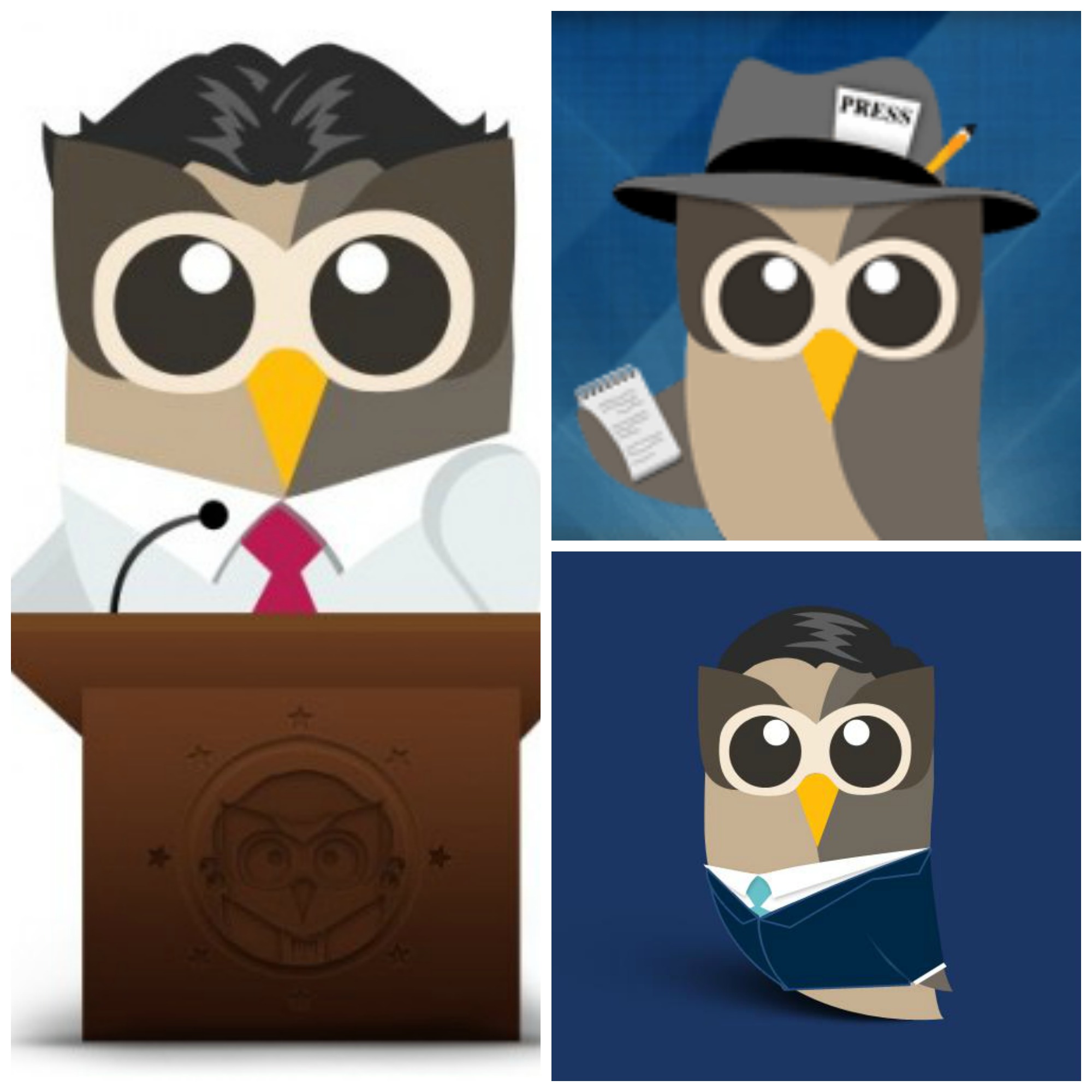
In the age of social media, mascots have become powerful content engines. They provide a consistent visual identity that can be used across various platforms to share news, tips, and humorous takes on industry trends. HootSuite, for example, uses an owl mascot that is dressed in various costumes, such as a journalist. This approach allows the brand to comment on news events in a playful and engaging way, making complex topics more digestible for its audience.
The HootSuite owl’s design, with its bright eyes and expressive features, is inherently appealing. The use of costumes adds a layer of creativity and fun, encouraging users to engage with the content. This strategy turns the mascot into a versatile tool for content marketing, allowing the brand to maintain a consistent voice while adapting to different contexts.
Leveraging Mascots for Interactive Engagement
Mascots can also be used to drive interactive engagement. The Pillsbury Doughboy, for instance, has his own interactive section on the Pillsbury website where users can make him dance. This type of interactive content provides a break from standard marketing messages and offers a moment of pure fun. It reinforces the brand’s playful personality and encourages users to spend more time on the site.
Similarly, the Android robot’s appeal is amplified by the fact that users create their own art and scenarios featuring the character. This user-generated content not only extends the brand’s reach but also creates a sense of community around the mascot. Brands that encourage this type of interaction can build a loyal following that is deeply engaged with the brand’s personality.
Strategic Considerations for Modern Brands
As we look at these examples, it becomes clear that a successful mascot is more than just a cute character. It is a strategic asset that requires careful planning and consistent execution. For modern brands, especially those in the AI and technology sectors, the challenge is to create a mascot that resonates in a digital-first environment.
AEO/GEO Services emphasizes the importance of intelligent content creation and optimization. In this context, a mascot can serve as a visual anchor for AI-generated content, ensuring that even automated outputs feel human and relatable. By integrating a mascot into the content strategy, brands can maintain a consistent emotional tone across all channels, from search results to social media posts.
Key Takeaways for Mascot Development
When developing a mascot, consider the following factors:
- Alignment with Brand Values: The mascot’s personality should reflect the brand’s core values. If the brand is innovative, the mascot should be curious and clever. If the brand is trustworthy, the mascot should be reliable and friendly.
- Emotional Resonance: Choose traits that evoke the desired emotional response. Cuteness, humor, and relatability are powerful drivers of engagement.
- Versatility: The mascot should be adaptable to different contexts and formats. It should look good in a small icon, a large banner, and a video animation.
- Consistency: Maintain a consistent personality across all touchpoints. The mascot’s tone of voice and visual style should be uniform to build recognition and trust.
- Evolution: Plan for the mascot to evolve over time. Regular updates to the visual style and context can keep the character fresh and relevant.
By following these principles, brands can create mascots that not only capture attention but also build lasting emotional connections with their audiences. In a world where consumers are bombarded with information, a well-crafted mascot can be the difference between being noticed and being remembered.
The examples of Hipmunk, Android, Pillsbury, and others show that the power of a mascot lies in its ability to humanize a brand. They remind us that behind every logo and every piece of content, there is a human desire for connection. By leveraging this desire, brands can create experiences that are not just informative, but also memorable and enjoyable.
What kind of emotional connection do you want your brand to make? The answer to that question might just be the starting point for your next great mascot.





