The AI-Ready Outline: Structural Tactics for LLM Citations
Ranking on the first page of traditional search results is no longer a guarantee of visibility. With AI Overviews and conversational interfaces like ChatGPT and Perplexity intercepting queries before they reach standard links, the rules of digital discovery have fundamentally shifted. Visibility in AI-generated answers has become the new growth frontier for brands that want to stay relevant. This transition marks a critical moment for content strategists: if your content isn’t structured for extraction by Large Language Models, it effectively doesn’t exist in the AI ecosystem.
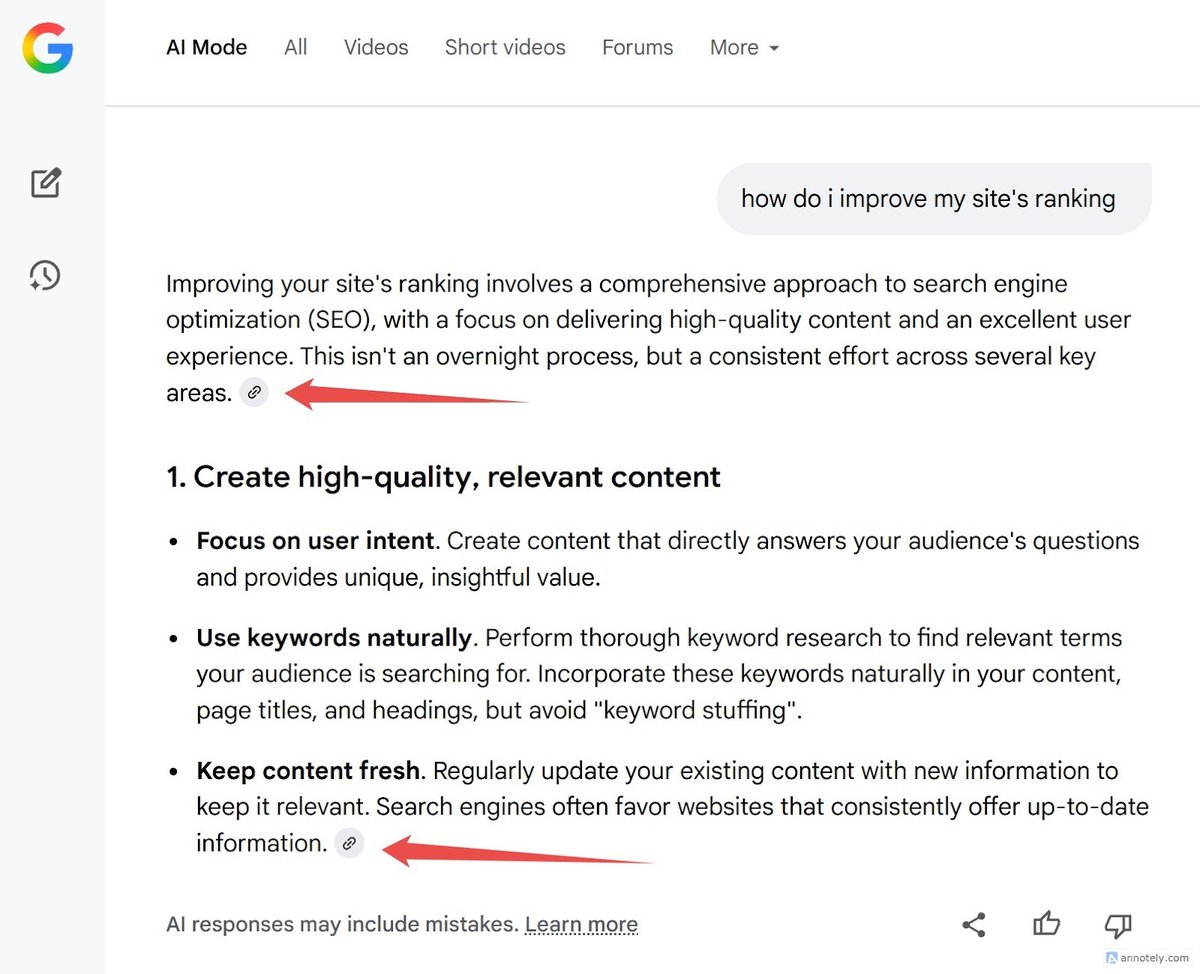
To capture this emerging traffic, you need to move beyond keyword density and focus on structural precision. An AI-ready outline is not just a drafting tool; it is a strategic blueprint designed to prioritize extractability for LLMs. By organizing content into clear, answer-first blocks, you make it significantly easier for AI engines to identify, summarize, and cite your work. Implementing strategies AI search growth requires a shift from writing for human browsing patterns to engineering for machine comprehension. This approach ensures your expertise doesn’t just sit on a page, but actively fuels the answers users receive.
Why Structural Precision Drives AI Search Growth
To unlock effective strategies AI search growth, you must first understand that Large Language Models (LLMs) do not “read” content the way humans do. They process text through tokenization and semantic association, breaking content into numerical vectors to understand context and relationships. This fundamental shift means that visibility is no longer just about ranking on a search engine results page; it is about being structurally prepared for extraction.
This is where the concept of extractability becomes critical. Extractability refers to how easily an AI engine can isolate, understand, and cite a specific piece of information from your content. When you present data in structured blocks—such as clear definitions, bullet points, or comparative tables—you significantly increase the probability of being cited as a source. AI engines prioritize clarity and logical flow over narrative flair, making structured formatting a key driver of generative visibility.
Consider the difference between traditional SEO practices and what AI engines require. The shift is not merely semantic; it is structural.
| Feature | Traditional SEO Structure | AI-Ready Structure |
|---|---|---|
| Heading Types | Keyword-stuffed, often vague (e.g., “Best Tips for Growth”) | Question-based or declarative (e.g., “How to Improve Growth Metrics”) |
| Paragraph Length | Long, narrative paragraphs (4-6+ sentences) | Short, concise blocks (2-3 sentences) for easy extraction |
| Data Presentation | Buried in text or described verbally | Presented in tables, lists, or direct answer blocks |
| Primary Goal | Rank for specific keyword matches | Provide clear, citable answers to user queries |
The core takeaway is simple: this is not just about keywords. It is about logical flow and answer-first formatting. By organizing your content to highlight the most critical information upfront, you align with the way AI models parse and retrieve data. This structural precision ensures that your content is not only seen but also used by AI engines to answer user queries, driving sustainable growth in the era of generative search.
Building the Inverted Pyramid for LLM Parsing
To implement effective strategies AI search growth, you must rethink the fundamental architecture of your content. The most powerful structural shift involves adopting the “Inverted Pyramid” method, a technique originally developed for journalism but now critical for Generative Engine Optimization. This approach demands that you place the most critical answer, definition, or conclusion at the very top of any given section.
Large Language Models (LLMs) prioritize early tokens to determine relevance and extract facts. When you bury the lead under context or background information, you reduce the probability that an AI will cite your content. By leading with the answer, you align your content structure with how AI engines process and prioritize information.
The Answer-First Writing Style
The core of this method is the “Answer-First” writing style. Traditional writing often builds up to a conclusion, using narrative flow to engage human readers. However, AI engines function differently. They scan for direct answers to user queries. Therefore, you should state the conclusion or primary fact immediately, then provide the supporting reasoning, evidence, or context in subsequent sentences.
This style ensures that the most valuable information is exposed to the AI’s attention mechanism right away. It transforms your content from a story into a resource database that LLMs can easily parse.
Before vs. After: A Concrete Example
Consider the difference between a narrative approach and an AI-ready structure.
Before (Narrative/Winding):
“When considering how to structure content for AI, it’s helpful to look at various methods. Many writers prefer to start with context to set the scene. However, after analyzing numerous examples, we found that leading with the key point yields better results for AI visibility. This means the answer should come first.”
After (Direct/Structured):
“Leading with the key point yields better results for AI visibility. You should place the primary answer at the start of your section to maximize extractability. This approach aligns with how Large Language Models prioritize early tokens for relevance.”
The “After” version allows an AI to instantly identify the core claim. The “Before” version forces the AI to read through several sentences of lower-value text to find the main point, increasing the risk of omission.
Optimizing Paragraph Length for Extraction
Another critical component of the Inverted Pyramid is controlling paragraph length. Keep paragraphs short, ideally between 2 to 3 sentences. Long, dense blocks of text make it difficult for AI engines to isolate specific ideas or facts.
Short paragraphs create clear boundaries between concepts. This helps AI models distinguish where one idea ends and another begins. When you break down complex topics into concise, digestible chunks, you increase the likelihood that each chunk will be extracted as a standalone fact or citation. Use blank lines between paragraphs to signal to LLMs that a new concept is being introduced. This structural precision ensures your content is not only readable for humans but also highly extractable for AI systems.
Embedding Citation-Worthy Snippets and Takeaways
Creating direct answer blocks is the most effective way to increase the likelihood of your content being cited by large language models. LLMs prioritize concise, self-contained answers that can be extracted and paraphrased without losing context. When you structure your content with clear, isolated answers, you reduce the cognitive load on the AI parser, making it easier for the system to identify your text as a high-quality source.
Use Explicit Signals for Extraction
Introduce “Key Takeaway Boxes” or “TL;DR” sections at the end of complex topics. These sections act as explicit signals for AI extraction, summarizing the core value of the content in a few sentences. For example, a block titled “Key Takeaway: How to Optimize for AI” allows the model to quickly scan and cite your conclusion.
AI engines can process and summarize information more easily from ordered lists, definitions, charts, bullet sections, and FAQs. By explicitly labeling these sections, you guide the AI to recognize them as standalone answers rather than part of a narrative flow.
Mirror User Questions with Semantic Headings
Structure your subheadings to mirror common user questions. Using formats like “How to…?” or “What is…?” creates a direct semantic link between the user’s query and your content. When an LLM scans for an answer to “What is Generative Engine Optimization?”, a heading that matches this question exactly increases the relevance score of your section.
This approach aligns with the principle that the newline character (/n) signals to LLMs that a new concept is being explained ahead. Clear, question-based headings reinforce this signal, helping the AI understand the structure and intent of your content.
Simplify Complexity with Lists and Bold Text
Bullet points and numbered lists are essential for simplifying complex information. AI engines prefer structured data because it reduces ambiguity. When you present steps or key points in a list format, you make the content easier to parse and cite.
Use bold text sparingly to highlight key terms. This creates visual anchors for both human readers and AI crawlers, emphasizing the most critical information. However, avoid over-bolding, as this can dilute the signal. Instead, focus on bolding unique terms or definitions that provide clear context.
By combining these tactics, you create content that is not only readable for humans but also highly extractable for AI, boosting your visibility in generative search results.
Signaling Authority to Boost Generative Visibility
Structure gets your content read, but authority gets it cited. Large Language Models (LLMs) prioritize sources that demonstrate expertise, experience, authoritativeness, and trustworthiness (E-E-A-T). To secure AI citations, your content must stand out as a primary source of truth rather than just another summary.
Prioritize Original Research and First-Hand Data
LLMs favor unique data points over generic advice. Proprietary data, original research, and first-hand insights serve as powerful signals of expertise. When you present findings that cannot be found elsewhere, you become an indispensable source for AI engines.
According to industry analysis, LLM citations can take the form of exact quotes, paraphrased snippets, or summaries. To maximize this, mention original sources rather than secondary summaries when sharing facts or stats. If you reference a study, link directly to the publisher’s abstract rather than a news article about it. This practice ensures the AI traces the information back to its most authoritative root.
Leverage High-Authority External Links
Credibility is contextual. Linking to respected domains like .gov or .edu increases content importance for LLMs. These associations signal that your content aligns with established facts and expert consensus.
When discussing regulatory standards, medical facts, or statistical data, anchor your claims to government agencies or academic institutions. This doesn’t mean dumping links; instead, integrate them naturally to support specific claims. This strategy validates your assertions and boosts the perceived reliability of your entire page.
Optimize Metadata for Contextual Understanding
AI engines rely heavily on metadata to understand the scope and intent of your content. Proper optimization helps LLMs categorize your content correctly before they even parse the body text.
- Title Tags and Meta Descriptions: Craft clear, declarative titles that answer the user’s core question. Avoid clickbait; prioritize clarity and keyword relevance.
- Schema Markup: Use structured data to explicitly define content types. Schema markup options include FAQs and How-tos, which provide LLMs with a semantic map of your content. This makes extraction significantly easier and more accurate.
Signal Freshness and Expertise Through Attribution
Trust is built on transparency and timeliness. AI search tools prioritize recently published content to ensure users get the latest information. Therefore, maintaining visible update dates is crucial. Regularly review and refresh your content to keep it relevant.
Equally important is author attribution. Clear author bios signal human expertise behind the content. By linking to detailed author profiles that highlight credentials and experience, you provide the LLM with verifiable proof of expertise. This combination of freshness and identified authority creates a robust signal for generative visibility.
Frequently Asked Questions About AI-Ready Content
Content creators often worry that technical optimization might compromise the reading experience. Addressing these common questions clarifies how to balance machine parsing with human engagement.
Does AI-ready content hurt human readability?
No. The structural clarity required for optimizing content for AI answer engines directly enhances the human reading experience. Shorter paragraphs, clear headings, and concise definitions make content faster to scan and easier to understand. When information is logically organized for LLMs, it is inherently more accessible to busy readers.
How often should I update content for AI search?
AI search tools prioritize recently published content to ensure users get the latest information. You should review and refresh your articles regularly, especially when new data, statistics, or industry shifts occur. Stale content is less likely to be cited by LLMs as an authoritative source.
What is the best heading format for LLMs?
Use question-based or declarative answer-first headings. LLMs parse content by associating specific queries with clear answers. A heading like “What is Generative Engine Optimization?” signals to the model that the following text contains a direct definition. This mirrors how users naturally ask questions and helps the AI extract the correct snippet.
Can I use AI to write AI-ready content?
Yes, but human oversight is critical for accuracy and authority. While AI tools can help draft structured outlines and concise answers, they lack the nuanced expertise and brand voice that build trust. Human editors must verify facts, ensure tone consistency, and add unique insights that generic models cannot replicate.
Why are FAQs effective for snippet extraction?
FAQ sections provide a natural framework for concise, direct answers. When you address specific user queries in a clear Q&A format, you create distinct blocks of text that are easy for AI engines to isolate and cite. Keep answers brief and focused on the core solution to maximize visibility.
Conclusion
Mastering these structural shifts—from the inverted pyramid to semantic headings and direct answer blocks—is no longer optional. It is a decisive strategic advantage for brands aiming to capture scalable visibility in the AI-driven search era. By aligning content architecture with how LLMs parse and cite information, you position your brand as an authoritative source that AI engines trust and reference.
For a deeper look at how to automate and scale these structural optimizations, explore the AEO/GEO platform capabilities.
AEO/GEO
Want to learn more?
Contact us for direct consultation and support.