The Cognitive Load Crisis: Over-Optimizing Content for AI
You have likely felt the frustration of clicking a search result only to find a wall of text that feels hollow, disjointed, and sterile. It is the digital equivalent of being greeted by a mannequin at a dinner party. You immediately sense that the prose wasn’t crafted to connect with you; it was manufactured to satisfy an algorithm, packed with dense keyword clusters and predictable sentence structures. When content is hyper-optimized for machines at the expense of its soul, the result is a chore that leaves you desperate for the back button.
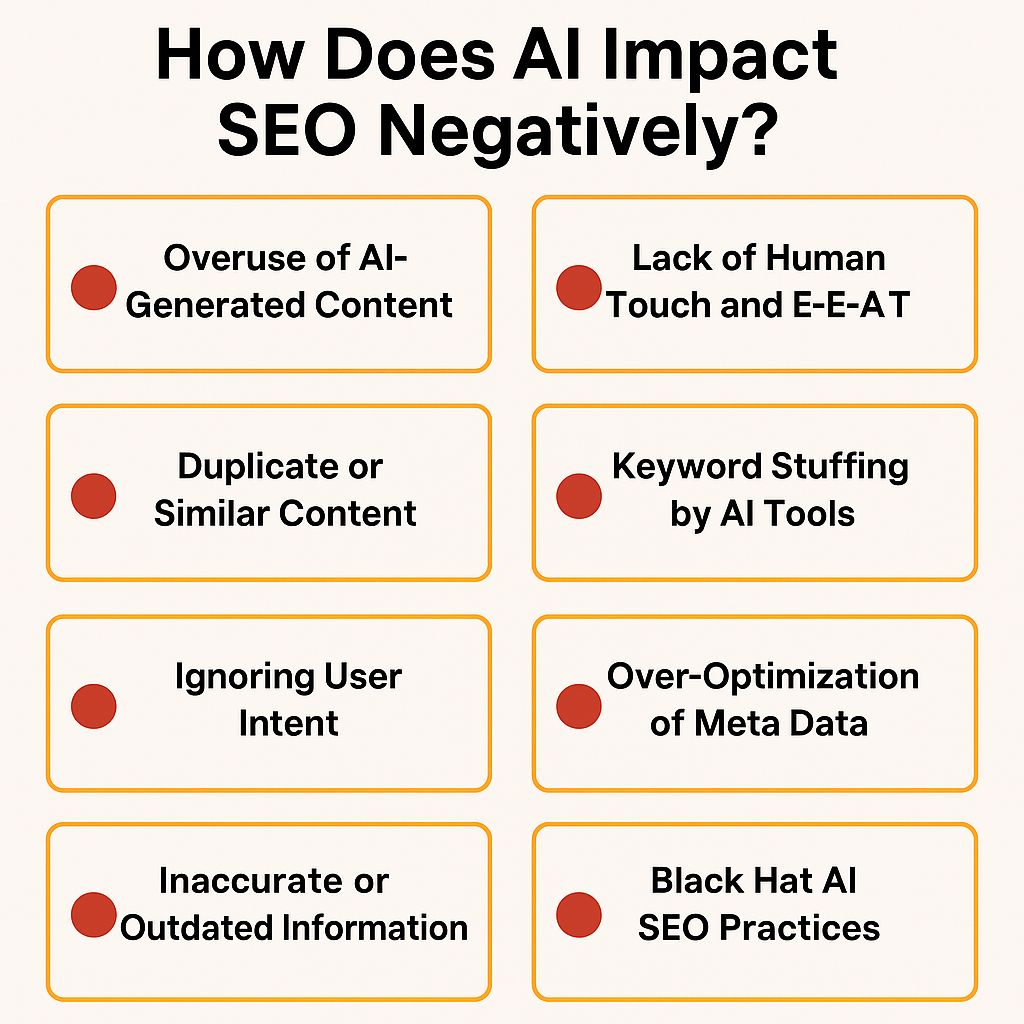
This phenomenon sits at the heart of the modern Cognitive Load Crisis. As businesses rush to adopt an AI Content Strategy for the AI Era, many fall into the trap of prioritizing technical markers over the human experience. By leaning too heavily on artificial patterns, brands clutter the reader’s mental workspace with redundant phrases and robotic transitions. Instead of providing answers, this approach forces your audience to work harder to extract value. When writing feels synthetic, the reader doesn’t just stop reading—they stop trusting your brand. To win in this new search landscape, you must pivot away from mechanical obsession and rediscover the power of resonance.
The Paradox of Perfection: When Optimization Kills Understanding
We have reached a point in digital history where content is becoming increasingly uniform. By chasing every signal that algorithms seem to prefer—obsessive keyword placement, endless lists, and robotic bolding—marketers create a barrier between their message and the reader. This hyper-structured approach is meant to help, but it often interrupts the natural rhythm of thought. When a paragraph looks more like a data entry form than a narrative, the human brain stops processing ideas and starts scanning for exits.
The Erosion of Personality
True connection requires a voice, not just a set of instructions. AI-centric writing often strips away the nuance, humor, and personal anecdotes that define a brand voice in the AI era. When content relies solely on machine-generated patterns, it loses the imperfections that make text relatable. Readers sense when a piece of writing has been hollowed out to fit an SEO template. This generic filler leads to high bounce rates because users don’t feel they are interacting with a human expert, but rather a machine that provides answers without understanding.
Comparing Approaches to Content
To understand why this shift matters, look at how different styles impact your audience’s behavior. Content built specifically for search engines often fails to provide the depth required to sustain a reader’s interest. In contrast, human-centric SEO focuses on intent and clarity, ensuring that while the content is searchable, it is also genuinely readable.
| Feature | Robot-Optimized Content | Human-Centric Content |
|---|---|---|
| Dwell Time | Short (scanners leave) | High (readers engage) |
| Emotional Connection | None (sterile) | Strong (relatable) |
| Readability | Low (choppy, repetitive) | Natural (fluid, rhythmic) |
| Value Perception | Disposable | Authoritative |
The Trap of Over-Optimization
When you prioritize AI content optimization to the extreme, you treat the reader like a data point rather than a person. Constant bolding, for instance, is often used as a crutch to highlight keywords, but it breaks the reader’s visual flow. Every time an eye stops to adjust to a highlighted phrase, the cognitive momentum resets. By stepping back from this rigid, algorithmic perfection, you can develop an AI Content Strategy for the AI Era that respects the reader’s time. Instead of crafting content shaped for a crawler, focus on crafting content that provides actual utility.
How Cognitive Load Affects Trust and Conversion
Cognitive load refers to the total amount of mental effort used in your working memory. When a visitor lands on your website, they have a limited capacity to process information. If your content is thick with redundant, keyword-stuffed sentences, that capacity fills up instantly. Instead of focusing on your value proposition, the reader spends their energy trying to decipher your message. This unnecessary friction is the core of the cognitive load crisis.
The Link Between Clarity and Authority
There is a powerful psychological connection between how clearly you communicate and how much your audience trusts you. When a reader encounters sharp, easy-to-read content, they subconsciously perceive your brand as an authority. Complexity is often mistaken for depth, but it frequently signals a lack of clarity.
If a visitor has to re-read a sentence to understand your point, their brain signals that the information is high-effort and low-reward. They don’t just blame the grammar; they blame the expertise of the writer. If you cannot explain a concept simply, the reader assumes you do not understand the subject yourself. By focusing on cognitive load in content, you stop fighting your reader’s brain and start earning their respect.
Identifying Synthetic Writing
Much of the AI content optimization seen today leans toward robotic patterns that alert a reader’s internal skepticism. When content is generated without a human editorial hand, it often relies on repetitive structures that make the text feel flat and untrustworthy.
Use this checklist to evaluate whether your content is serving your reader:
- The Robotic Rhythm: Do three or more paragraphs start with the same transition word? Predictable syntax makes the reader’s brain go numb.
- The “Filler” Phenomenon: Look for paragraphs that use 100 words to explain a point that could be made in 10. If you can delete a sentence without losing meaning, it is likely adding to the reader’s cognitive load.
- Missing Human DNA: Does the piece lack specific, real-world anecdotes? If the text could be about any company in your industry, it lacks the personal perspective that builds authority.
- Jargon Overload: Are you using industry buzzwords as a substitute for actual explanation? Over-relying on terminology is a common symptom of synthetic writing that lacks a true brand voice in the AI era.
Finding the Balance: Writing for Humans While AI Listens
Establishing an effective AI Content Strategy for the AI Era requires a shift in how you view your tools. Instead of treating AI as a writer meant to churn out final drafts, reframe it as a high-level research assistant. When you delegate the heavy lifting of gathering data points or summarizing reports to AI, you preserve your creative bandwidth for the elements that build authority: nuance, opinion, and empathy.
The Human-In-The-Loop Advantage
The most impactful content today utilizes a human-in-the-loop editing process that acts as a filter for synthetic tendencies. AI models are trained on patterns, not lived experience. To turn a draft into something readers value, inject these components:
- Personal Anecdotes: Share specific stories about your brand’s failures or breakthroughs that demonstrate resilience.
- Proprietary Industry Data: Integrate first-party metrics that aren’t available in public training sets.
- Unique Perspectives: Take a firm stance on controversial industry practices. A neutral response is easily replaced; a human opinion is irreplaceable.
Writing for Connection
Modern search algorithms prioritize search intent and natural language processing over mechanical keyword placement. Attempting to force keywords into every sentence creates a jarring experience that increases cognitive load in content. Focus on conversational phrasing that mimics how experts actually speak. When your writing flows like a conversation, AI can more accurately categorize your expertise.
Practical Strategies to Reduce Cognitive Load
To build a sustainable AI Content Strategy for the AI Era, shift your focus from satisfying crawlers to respecting mental bandwidth.
- Mastering the Human Hook: Avoid generic, sweeping intros. Begin with a specific scenario, a shared frustration, or a bold opinion.
- The Power of White Space: Use whitespace strategically to let ideas breathe. Break content into chunks using descriptive subheadings that summarize takeaways.
- The Read-Aloud Test: If you trip over complex structures when reading your work out loud, it is too dense. Rewrite those passages to bridge the gap between technical accuracy and human connection.
- Replacing Jargon with Analogies: AI models frequently default to overly formal language. Replace abstract jargon with concrete examples. Instead of saying your algorithm “parses data,” say it “acts like a high-speed librarian.”
Your ultimate goal is not to win an invisible game of tag with an algorithm; it is to provide digestible value to a human being. Prioritizing the reader experience is the most sustainable path to earning long-term authority. As you build your content strategy, focus on the stories, data, and nuances that only you can provide, and trust that search engines will follow the humans who find your content truly worthwhile.
AEO/GEO
Want to learn more?
Contact us for direct consultation and support.