What AI Overviews Mean for SEO & Website Traffic
If you feel anxious watching search engine results pages (SERPs) transform, you aren’t alone. It’s similar to the early days of featured snippets, when many feared that direct answers would kill website traffic. Yet, just as the industry adapted then, we are witnessing an evolution in how information is served to users.
Understanding what AI Overviews mean for SEO & website traffic isn’t just about protecting your standing; it’s about recognizing the shift from ranking to being the source of authority. This isn’t a signal to abandon your marketing, but an invitation to prioritize clarity and genuine value. As search engines move toward synthesized, conversational responses, brands that lean into this change position themselves as experts. By focusing on how your content supports this landscape, you turn these technical shifts into an engine for digital growth.
The Reality of AI Overviews: What is Actually Changing?
AI Overviews represent a shift in how search engines deliver information. Instead of a static list of blue links, search engines use generative AI to synthesize direct answers on the results page. The engine acts as an editor, pulling from multiple sources to create a coherent summary. For many users, the search happens within the interface, rather than requiring a click-through.
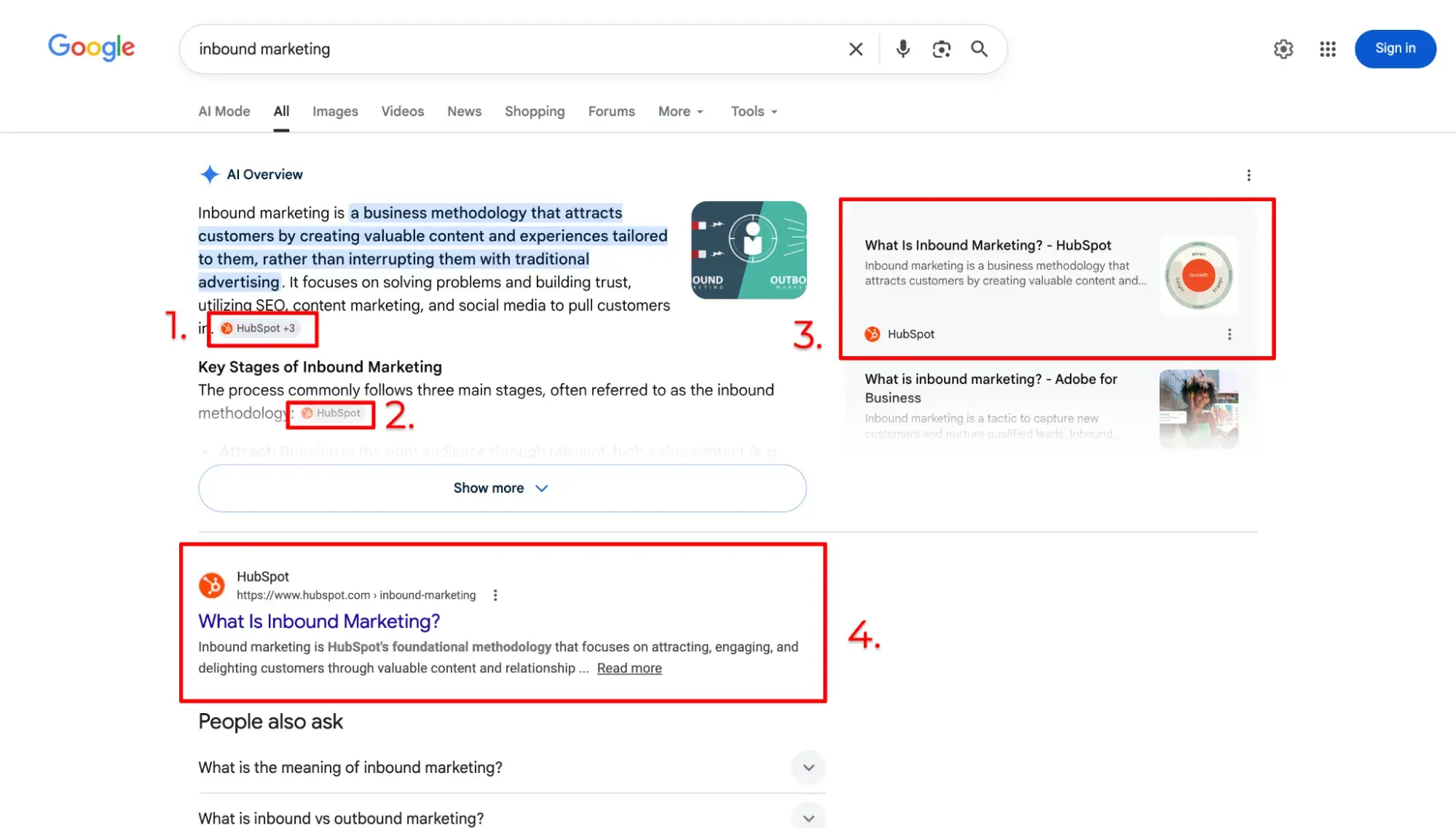
This evolution has paved the way for the rise of zero-click searches. When the search engine provides a perfect answer at the top, the user has little incentive to leave the platform. While this sounds alarming if you are focused on traffic, it changes what success means. You are fighting to become a trusted source cited by the AI. By aligning your strategy with Answer Engine Optimization, you shift your goals from vanity metrics toward building brand authority.
Redefining Success: From Clicks to Citations
In traditional SEO, your primary success metric was whether a user clicked your link. Today, your content succeeds if it provides the data the AI engine trusts enough to present to the user. Appearing in an AI Overview establishes your brand as an expert.
| Goal Metric | Traditional SEO | Answer Engine Optimization |
|---|---|---|
| Primary Target | Rankings | Visibility & Citations |
| Success Signal | Click-through Rate | Brand Mention/Trust |
| Core Focus | Keyword Optimization | Topical Authority |
| User Journey | Driving traffic | Providing value |
| Outcome | User visits page | Brand is recognized as expert |
Understanding what AI Overviews mean for SEO & website traffic requires accepting that search is becoming conversational. By focusing on authoritative answers, you ensure your brand stays top-of-mind. Rather than fearing the zero-click search impact, you can embrace it as an opportunity to cement your reputation.
Decoding the Triggers: Why AI Overviews Appear
AI search engines use specific logic to determine when a synthesized answer provides more value than a list of links. Understanding these triggers is essential, as your content must align with the intent the AI aims to satisfy.
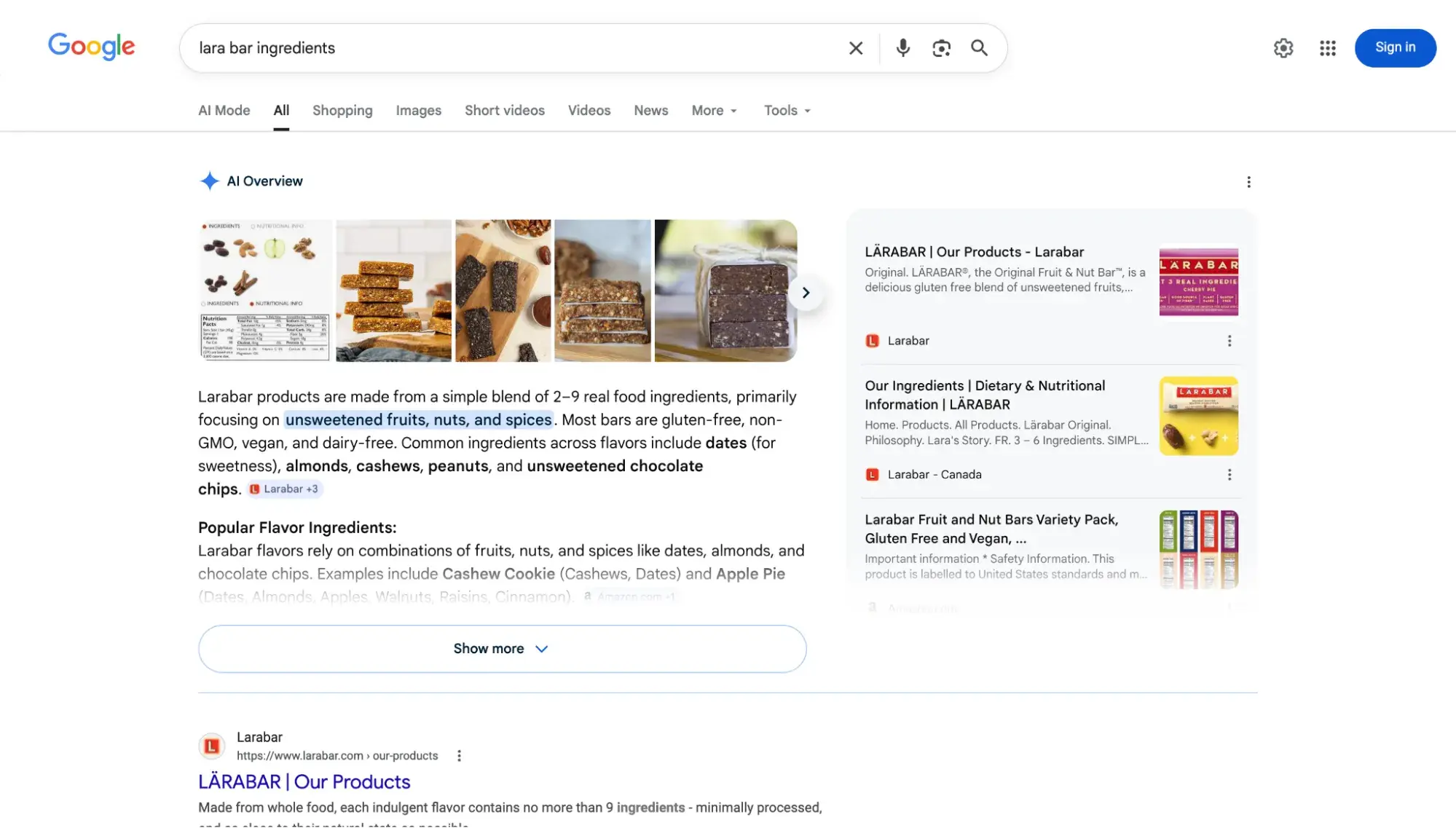
The Power of Conversational Intent
At the heart of AI inclusion is the shift toward informational intent. When users search using “What,” “How,” or “Why,” they explicitly ask for a direct answer. If your content is structured to answer these questions directly, you are far more likely to be cited as the authority.
The Role of Query Complexity
There is a clear correlation between query complexity and the likelihood of an AI Overview. AI engines thrive on long-tail, multi-faceted queries that require a user to visit multiple websites to piece together an answer. If you only optimize for short-tail keywords, you miss out on the highly specific traffic captured by these complex searches.
Is Your Content AI-Ready?
Not every page is built to be synthesized. Use this checklist to evaluate your current strategy:
| Characteristic | Why It Matters for AI |
|---|---|
| Direct Answer | The first sentence provides a clear definition. |
| Conversational Tone | Language mimics human explanation. |
| Structural Clarity | Uses H2s and H3s as specific headers. |
| Data Aggregation | Includes tables, lists, or steps. |
| Authoritative Context | Provides depth that proves expertise. |
By prioritizing these elements, you become an essential information node. Focus on Answer Engine Optimization friendly assets—content that teaches the engine and ensures your brand is the cited source.
Refining Your Content Strategy for AI Visibility
In the era of generative search, your objective shifts from chasing vanity metrics to earning trust. To thrive, move away from thin, keyword-stuffed pages. Instead, build topical authority. When you consistently provide comprehensive answers, AI engines recognize your site as a repository of knowledge.
Structure for Clarity and Extraction
AI models prioritize content that is easy to parse. If your information is buried, the engine may overlook it. Adopt a definitional structure where key information is highlighted. Using descriptive headers acts as a roadmap for the AI. Implementing FAQ formats is an effective tactic for improving AI visibility. By framing content as direct questions and concise answers, you provide the AI with a pre-packaged snippet.
Human-Centric Content as the Foundation
High-quality, human-written content remains the most vital signal for AI citations. AI models are trained to prioritize content that demonstrates depth, nuance, and original insight. Consider these pillars for a successful content strategy for AI search:
- Depth Over Breadth: Explore sub-topics thoroughly.
- Expertise: Infuse your content with unique perspectives.
- Accuracy: Ensure every claim is well-supported.
Your goal is to be the most helpful, credible source. Focus on quality, maintain your voice, and position your brand as an indispensable resource.
Beyond Keywords: E-E-A-T and Off-Site Signals
AI models evaluate the credibility of an information source. This is why E-E-A-T (Experience, Expertise, Authoritativeness, and Trustworthiness) is a foundational requirement for AI visibility.
When your content demonstrates firsthand experience—original research or unique case studies—it becomes “citation-worthy.” By signaling expertise, you help the AI categorize your site as a trusted authority.
Elevating Authority Through Off-Site Signals
Off-site signals act as the validation layer that confirms your brand is the entity the AI should trust. Platforms like Reddit and YouTube build this entity authority.
- Authentic Engagement: Participate in niche discussions where your expertise is relevant.
- Video Integration: Produce high-quality YouTube content that answers “how-to” questions.
- Entity Association: Consistent mentions across relevant community sites help AI engines connect your brand to specific problems.
Practical Steps to Boost Your Signals
Improve your AI-readiness by implementing structural cues that machines recognize as quality markers:
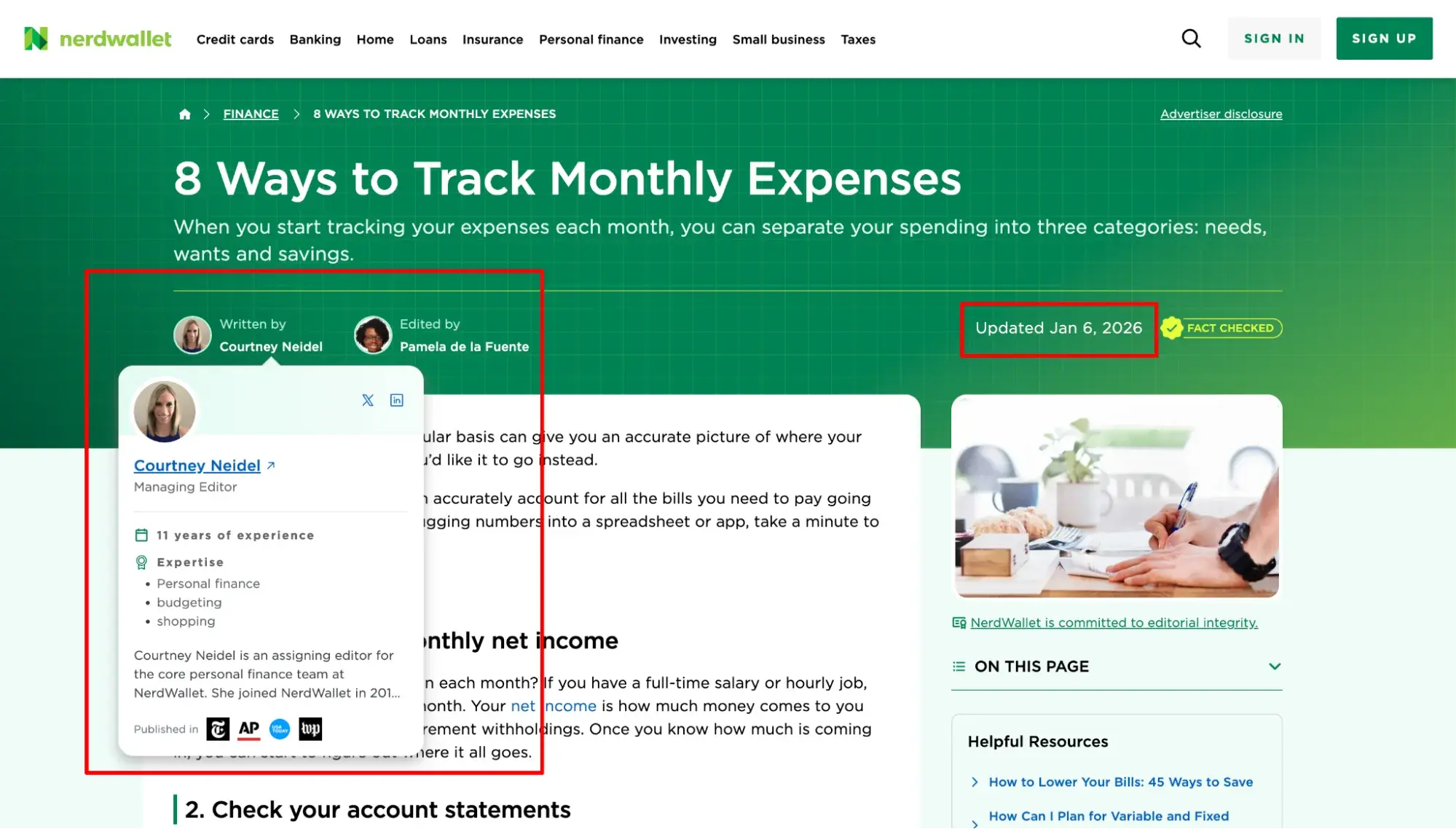
- Enhance Author Bios: Include links to professional profiles, certifications, and years of experience.
- Prioritize Updated Timestamps: AI models prioritize fresh information.
- Use Definitional Structure: Clearly define concepts in your text using H2 and H3 tags.
By focusing on these indicators, you move beyond keyword rankings into the category of “trusted answer provider.”
The rise of AI-driven search is a natural evolution. Search engines are becoming intelligent at synthesizing information, meaning the mechanics of visibility have changed, but the goal remains the same. You aren’t fighting a machine; you are refining how you provide value to human users. When you shift your mindset from chasing clicks to becoming the trusted source, you start shaping your future. Success isn’t about gaming an algorithm; it’s about anchoring your content in expertise and clarity. Start tracking your answer engine visibility today to stay ahead. You have the tools; now, it’s time to lean into the evolution.
AEO/GEO
Want to learn more?
Contact us for direct consultation and support.