Why AI Search Optimization is Your Business’s New Growth Engine
The Great Shift: Traffic Volume vs. Authority Answers
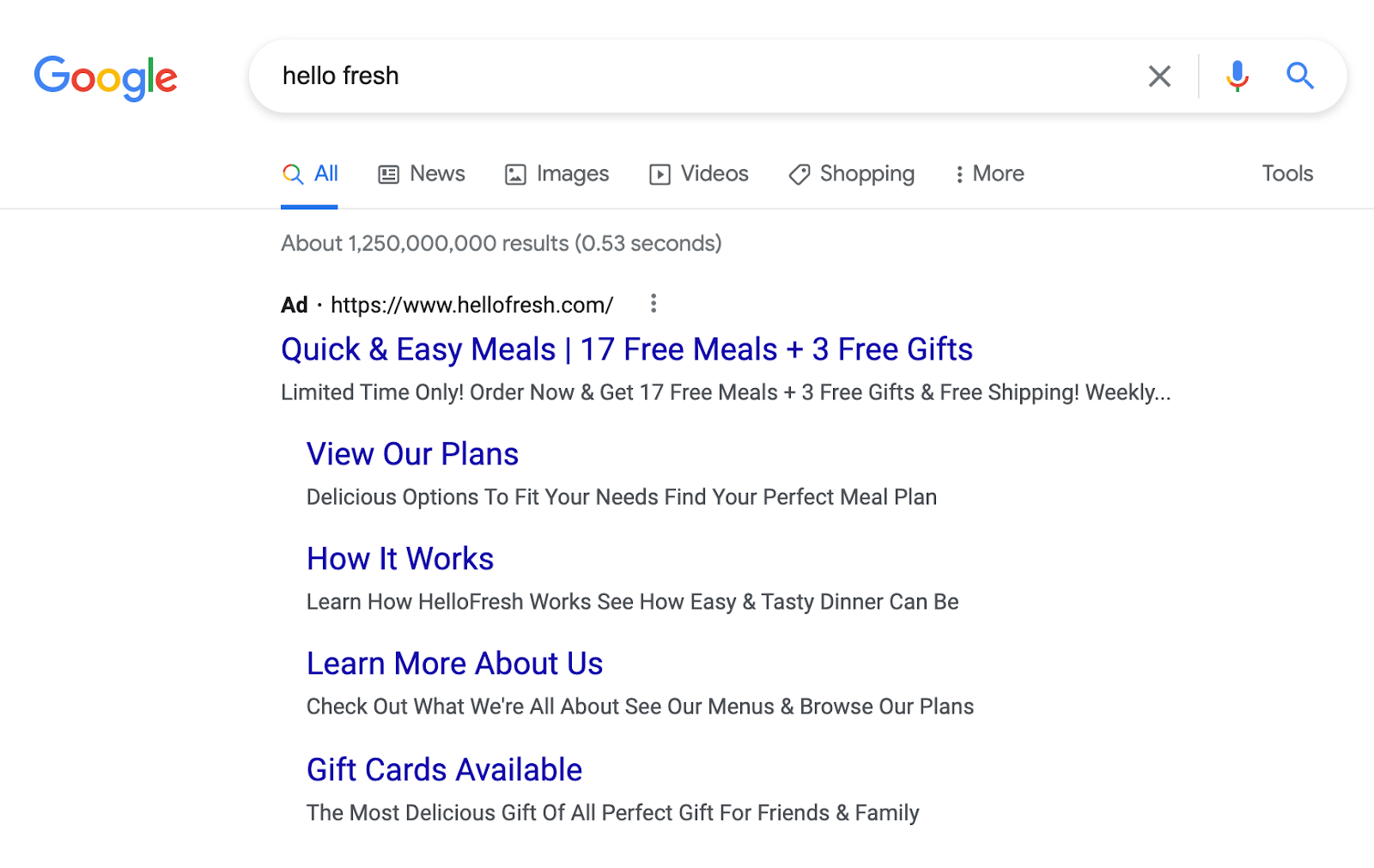
For years, the SEO playbook was simple: chase keywords, build backlinks, and fight for the top spot on a list of ten blue links. It was a numbers game where success was measured by how many people you could lure away from a search engine and onto your website.
Think of traditional SEO as a librarian—its primary job is to point you toward a stack of books based on a title. AI search, however, functions more like a personal consultant. When you ask a question, the consultant doesn’t just hand you a reading list; they synthesize the most trustworthy information available to give you a definitive answer.
In this new landscape, you are no longer trying to “rank” for a keyword. You are positioning your brand to be the trusted source the consultant cites. The goal is no longer just traffic; it is authority.
Comparing ROI: Traditional Metrics vs. AI Revenue Impact
When you shift your mindset from “traffic volume” to “answer presence,” your metrics for success change dramatically. Traditional SEO often leaves you drowning in vanity metrics—bouncing pageviews and high traffic with low conversion.
AI search optimization flips this script by targeting high-intent, decision-stage buyers. When your business is cited in a generative answer, you aren’t just a random search result; you are a recommended expert.
- Answer Presence: How often does your brand appear in the synthesized answer block?
- Citation Authority: Is your brand referenced as the go-to authority for critical industry questions?
- Pipeline Influence: Does your AI presence shorten the sales cycle by answering prospect questions before they even reach your sales team?
AI search is an influencer in your B2B pipeline. By showing up where decisions are made, you capture buyers who are further along in their journey, leading to higher-quality leads and more reliable revenue growth.
The Decision Framework: Choosing Your Growth Lever
As a business owner, how do you decide where to put your energy? You don’t have to abandon traditional SEO, but you do need to understand the levers.
- When to lean into Traditional SEO: Use this for broad brand awareness, top-of-funnel educational content, and sustaining long-term organic reach for informational queries.
- When to prioritize AI SEO: Focus here for category leadership, capturing bottom-of-funnel buyer intent, and building trust in competitive industries where buyers look for definitive recommendations.
AI optimization offers faster results for establishing brand presence in emerging categories. Because AI models crave structure and depth, a strategy built on high-quality, entity-rich content requires fewer manual “link-building” stunts and delivers more stable, long-term dividends.
Cost Model Comparison: Long-Term Maintenance vs. Strategic Automation
Traditional SEO often relies on labor-intensive, human-heavy link-building campaigns that are difficult to scale. It’s a constant treadmill of content production and outreach.
AI-ready content takes a different approach. By focusing on entity mapping and structured, high-utility answers, you create assets that have a longer lifecycle value within the AI’s training data.
Strategic automation allows you to scale this presence efficiently. By structuring your content to be machine-readable, you aren’t just publishing a blog post; you’re feeding the engine that dictates your industry’s future search results. This moves your budget from tactical maintenance to long-term strategic positioning.
Actionable Roadmap: Transitioning to an AI-Ready Presence
Transitioning isn’t about overhaul; it’s about refinement. Here is how you start turning your digital footprint into an AI growth engine:
- Define Your Entities: Map out your core brand services and expertise. Use structured data to clearly explain to AI what your business is and why it matters.
- Shift to ‘Answer-First’ Content: Stop writing for the algorithm and start writing for the solution. Structure your content so it directly answers the “what,” “why,” and “how” of your customer’s problems.
- Prioritize Trust Signals: Ensure your content is consistent, verified, and reflects true industry expertise. AI engines verify data; make sure your brand is the source they find most reliable.
The move to AI visibility is your chance to leapfrog legacy competitors who are still stuck in the link-click mindset. Prioritize your AI presence today, and you’ll secure your spot as the industry authority for years to come.
AEO/GEO
Want to learn more?
Contact us for direct consultation and support.