The Reality of Email Engagement
Email marketing is not a dying channel. It remains one of the most effective ways to connect with an audience. Recent industry reports indicate that approximately 80% of marketers have seen improved engagement in their email campaigns over the last year. Brands also see a strong return on investment, generating an average of $42 for every dollar spent on email advertising.

This performance highlights the enduring value of direct communication. Email allows brands to boost awareness, drive traffic, and guide subscribers through the customer journey. However, many marketers still struggle to grow and maintain their lists. The challenge lies not in the medium itself, but in understanding the subscriber’s perspective.
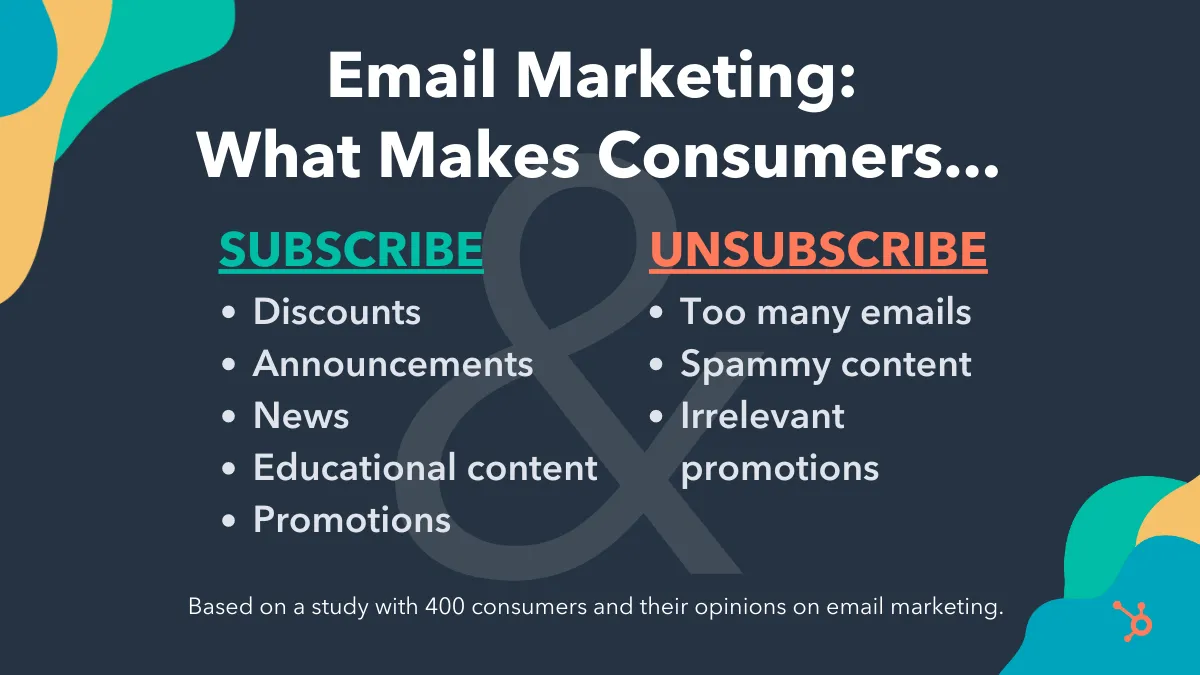
To build a successful email strategy, you must think like your audience. Why do people choose to join your list? Why do they leave? A survey of 400 consumers provides clear answers to these questions. The data reveals that subscribers are motivated by direct value. They also unsubscribe primarily due to logistical issues, not just content quality. Understanding these drivers is essential for any brand looking to optimize its communication strategy.
Why Consumers Choose to Subscribe
Consumers subscribe to marketing emails when they perceive a clear benefit. The survey data breaks down these motivations into specific categories. The top reason for subscribing is the desire for deals, discount codes, and coupons. About 28% of respondents cite this as their primary motivation. This shows that financial incentives remain a powerful tool for list growth.

Beyond discounts, content plays a significant role. One-quarter of participants subscribe to receive valuable content from a brand. This includes blogs, videos, and graphics. These subscribers are looking for education and insight. They want to learn from your expertise. This type of engagement builds trust and positions your brand as a thought leader in your industry.
Company announcements also attract a dedicated audience. About 16% of respondents subscribe to stay updated on company news. This includes press releases, staff updates, and corporate blog posts. While this content may not directly drive sales, it helps establish credibility. Subscribers who care about your brand’s growth want to feel connected to your journey.
Some consumers prefer a mix of content types. About 10% of participants select “all of the above” as their reason for subscribing. Another 14% choose “other,” suggesting diverse motivations. This indicates that flexibility in your email strategy can capture a broader audience. You can blend promotions, educational content, and company news to appeal to different segments.
The Power of Exclusive Deals
Deals and discounts are the top driver of subscriptions. Consumers want to be notified about sales and promo codes. This expectation is clear. If you offer exclusive discounts to email subscribers, you should highlight this benefit prominently. Make sure your subscribers know they are getting a better price than those who do not subscribe.
You can use deal-focused emails to drive immediate sales. But you can also include other content to build long-term engagement. For example, you can share a coupon code at the top of the email and link to a relevant blog post at the bottom. This approach satisfies the subscriber’s desire for savings while providing additional value. It keeps your brand top-of-mind for future purchases.
Consider how Postmates uses this strategy. They send regular coupon codes and news about restaurant-specific sales. Subscribers know they can check their inbox for discounts before ordering. This consistency builds loyalty. When subscribers see value in every email, they are more likely to engage with your brand over competitors.
Building Trust Through Content
Educational content is a powerful way to attract subscribers who are not just looking for a deal. If you have a blog, a video library, or other resources, you can use email to distribute them. This helps you demonstrate your expertise. It shows that your brand cares about helping your audience solve problems.
Content-based emails may not always drive immediate sales. But they build a relationship. When subscribers regularly consume your content, they become familiar with your brand. They trust your voice. This trust can lead to conversions down the line. When they need a product or service, your brand is the first one they think of.
You can also mix promotions into content emails. You do not need to choose between education and sales. You can include a subtle call-to-action or a discount code alongside your blog links. This approach keeps the email valuable while still driving business goals. It shows that you respect your subscriber’s time and intelligence.
Why Consumers Unsubscribe
Maintaining an email list is as important as growing it. Unsubscribes can happen for various reasons. The survey data shows that frequency is the biggest driver of unsubscriptions. About 51% of consumers unsubscribe because emails come too often. This is a logistical issue that you can control. It is not necessarily a reflection of your content quality.
Content value is also a factor, but it is less dominant than frequency. About 17% of participants unsubscribe because emails feel spammy or over-promotional. Another 9% unsubscribe because the content is no longer valuable. These numbers show that while content matters, the volume of emails is the primary concern for most subscribers.
Unexpected content also leads to unsubscriptions. About 10% of participants unsubscribe because the content does not match their expectations. This includes emails they did not sign up for or promotions that were not advertised. Transparency is key. You must deliver on the promise you made when the subscriber signed up.
Managing Email Frequency
Email frequency is the number one reason people leave your list. About 34% of respondents unsubscribe because they receive more than one email per day. Another 17% unsubscribe because they receive more than one email per week. Despite this, many marketers still send multiple emails per week. This mismatch between sender behavior and subscriber preference leads to high unsubscribe rates.
To prevent frequency-related unsubscriptions, you should audit your email calendar. If you are sending too many emails, consider consolidating them. You can combine two emails scheduled for the same day into one. This reduces the volume while still delivering all the important information. Monitor your metrics after making this change. Look for improvements in open rates and click-through rates.
If you cannot consolidate your emails, be transparent about your frequency. State how many emails subscribers will receive per week or month on your signup form. This sets clear expectations. It helps weed out subscribers who are not interested in that volume. Those who do subscribe are more likely to stay because they know what to expect.
Ensuring Content Relevance
Content quality can still drive unsubscriptions, even if it is not the top reason. If your emails feel spammy or over-promotional, subscribers will leave. You should avoid hard-selling in every email. Focus on providing value. Ask yourself if each email is useful to your audience. Does it solve a problem? Does it educate? Does it entertain?
Segmentation is a powerful tool for ensuring relevance. If you have a large audience with diverse interests, you should not send the same email to everyone. Break your list into segments based on interests, behavior, or demographics. Send targeted content to each segment. This ensures that subscribers only receive emails that are relevant to them.
For example, if you have a blog with different topics, you can create separate email lists for each topic. A subscriber interested in marketing will receive marketing content. A subscriber interested in sales will receive sales content. This approach reduces noise and increases engagement. It shows that you respect your subscriber’s specific interests.
Strategies for Retention
Building a sustainable email list requires a strategic approach. You must balance acquisition with retention. Start by creating content that your audience values. Whether it is deals, educational content, or company news, make sure it aligns with your subscriber’s expectations. Avoid over-promotion. Focus on building a relationship.
Market your email list effectively. Highlight the value proposition on your signup form. Tell subscribers what they will get. Will they receive exclusive discounts? Expert tips? Industry insights? Make this clear. This helps attract the right subscribers and sets the right expectations from the start.
Avoid focusing solely on products. While you should promote your offerings, do not make every email a sales pitch. Mix in other types of content to keep your emails interesting. This balance helps maintain engagement and reduces unsubscribe rates. Remember that human connection is key. Honest and personalized content builds a loyal following over time.
Aligning Expectations with Delivery
One of the biggest mistakes marketers make is not delivering on their promise. If you market your email as a source of expert tips, do not send only product promotions. This mismatch leads to unsubscriptions. You must align your content with your marketing message. If you promise value, deliver it consistently.
Transparency is also important in how you acquire subscribers. Avoid purchasing email lists. This practice is not only against regulations like GDPR, but it also damages your sender reputation. Subscribers who did not opt-in are likely to mark your emails as spam or unsubscribe. This hurts your deliverability and brand image.
Consider co-branded email campaigns as an alternative. Partner with another brand to cross-promote your content. This allows you to reach a new audience that has opted-in to receive content from a trusted source. These subscribers are more likely to engage with your content because they have a reason to trust you. This approach builds a more sustainable and engaged list.
Monitoring and Adjusting
Email marketing is not a set-it-and-forget-it strategy. You must monitor your metrics regularly. Pay attention to open rates, click-through rates, and unsubscribe rates. If you see a dip in engagement, investigate the cause. Is it frequency? Content relevance? Unexpected promotions?
Use this data to adjust your strategy. If frequency is the issue, reduce the number of emails. If content is the issue, audit your topics and formats. Test different types of content to see what resonates with your audience. Be willing to experiment. What works for one brand may not work for another. The key is to listen to your subscribers and adapt accordingly.
Email marketing remains a vital tool for brand visibility and customer engagement. By understanding why consumers subscribe and unsubscribe, you can create a more effective and sustainable strategy. Focus on value, transparency, and relevance. Build a relationship with your subscribers that stands the test of time. The data is clear: subscribers want meaningful communication, not noise. Deliver that, and you will see lasting success.
Key Takeaways for Marketers
The survey of 400 consumers provides actionable insights for email marketers. Here are the key takeaways to keep in mind:
- Frequency is critical: More than half of unsubscribes are due to too many emails. Monitor your cadence carefully.
- Value drives subscriptions: Deals and educational content are the top reasons people join your list. Highlight these benefits.
- Transparency matters: Be clear about what subscribers will receive. Set expectations on your signup form.
- Segmentation improves relevance: Tailor your content to different segments of your audience. This reduces noise and increases engagement.
- Avoid purchased lists: Buy lists damage your reputation and deliverability. Focus on organic growth.
By applying these principles, you can build a healthy and engaged email list. Remember that email marketing is a long-term strategy. It requires patience, experimentation, and a focus on the subscriber’s needs. When you prioritize value and relevance, you will see improved engagement and retention over time.
The future of email marketing is bright. Brands that adapt to consumer preferences and leverage data-driven insights will thrive. Keep your subscribers at the center of your strategy. Listen to their feedback. Adjust your approach as needed. In doing so, you will create a communication channel that drives real business results.