The era of interruptive advertising is ending. Consumers are actively blocking, ignoring, and opting out of traditional ad formats, forcing marketers to rethink how they engage with audiences. Instead of disrupting the user experience, brands must now supplement it. This shift is not just a trend; it is a fundamental change in consumer behavior that demands a new approach to digital marketing. Native advertising has emerged as the leading solution, offering a way to connect with potential customers without causing friction.

At AEO/GEO Services, we observe that visibility in the AI-driven search era requires more than just presence; it requires relevance. As generative search engines and social platforms prioritize helpful, integrated content, the line between organic and paid media blurs. Marketers who continue to rely on intrusive pop-ups or auto-playing videos risk damaging their brand reputation. Those who adapt to native formats, however, can maintain trust and drive engagement. This article explores why consumers are rejecting interruptive ads, how they are taking control of their digital experience, and why native advertising is the necessary evolution for modern brands.
The Decline of Interruptive Advertising
Advertising has always been omnipresent, but saturation does not equate acceptance. Consumers are exposed to a vast array of ads daily, from telemarketing calls to banner ads and auto-playing videos. However, data shows that many of these formats generate negative experiences. Telemarketing, pop-ups, and autoplaying video ads are consistently rated as the most annoying by users. These formats interrupt what the consumer is trying to do, creating a sense of intrusion rather than value. The result is not just ignored ads, but active resentment toward the brands behind them.
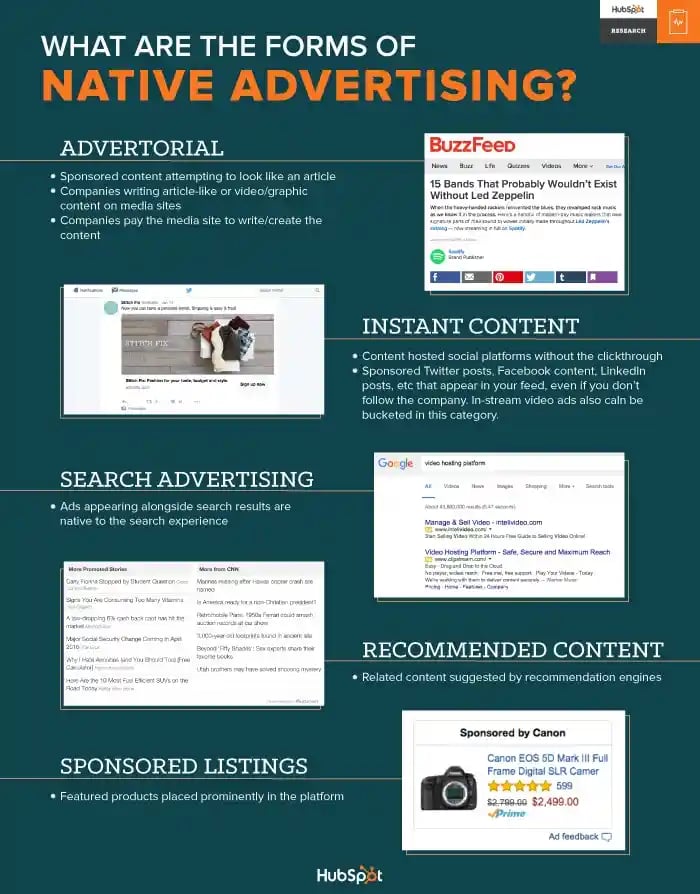
In contrast, ads that blend into the user’s experience receive neutral or better responses. Email newsletters, for example, are often viewed positively because the consumer has opted in. They expect the content and can unsubscribe if it becomes irrelevant. Similarly, sponsored content on social media platforms like LinkedIn, Facebook, and Twitter falls into the category of native advertising. These ads match the look and feel of the platform, providing useful information rather than a hard sell. Because they do not disrupt the scrolling behavior of the user, they are often overlooked or even engaged with naturally. This unobtrusive nature is key to maintaining a positive brand image.
Understanding Consumer Sentiment
The sentiment around different ad formats reveals a clear preference for control and relevance. When ads feel forced, consumers react negatively. For instance, 72% of respondents indicated they would have a lower opinion of a brand that uses pop-up ads. This is a significant risk for any company looking to build long-term customer relationships. Every successful conversion from an intrusive ad may come at the cost of alienating potential customers who feel their experience was violated. The question marketers must ask is whether a short-term click is worth long-term brand damage.
Native advertising mitigates this risk by aligning with the user’s expectations. On platforms where users scroll quickly through information, a well-crafted native ad can provide value without feeling like an advertisement. It offers content that is relevant to the user’s interests, whether it is a sponsored tweet, a promoted listing, or an advertorial on a content site. By focusing on usefulness rather than interruption, brands can foster a more positive association. This approach is particularly important in the context of generative search, where AI engines prioritize high-quality, user-centric content.
The Role of Brand Reputation
Brand reputation is fragile and can be easily damaged by poor advertising choices. Interruptive ads signal to consumers that the brand values its own message over the user’s experience. This perception can lead to distrust and disengagement. On the other hand, native advertising signals respect for the user’s time and attention. By providing content that fits seamlessly into the platform, brands demonstrate that they understand their audience’s needs. This alignment is crucial for maintaining a positive brand image in a crowded digital landscape.
As we move further into the age of AI and generative search, the importance of reputation will only grow. AI engines like those optimized by AEO/GEO Services prioritize content that is helpful, authoritative, and user-friendly. Brands that rely on intrusive tactics may find themselves excluded from these emerging search ecosystems. Native advertising, with its focus on value and relevance, is better positioned to thrive in this new environment. It allows brands to build trust and authority, which are essential for long-term success.
How Consumers Are Actively Avoiding Ads
Consumers are no longer passive recipients of advertising; they are actively taking control of their digital experience. This shift is evident in the widespread use of ad blockers, email unsubscribes, and the avoidance of interruptive formats. People are tired of being sold to, and they are using technology to filter out the noise. This trend poses a significant challenge for marketers who rely on traditional display advertising. If consumers are blocking ads, how can brands reach them?
The Rise of Ad Blockers
Ad blockers have become a common tool for consumers seeking a cleaner web experience. These applications, such as Adblock Plus, have hundreds of millions of downloads worldwide. They work by identifying and blocking scripts associated with advertising, particularly banner ads and pop-ups. The impact is substantial, with publishers losing billions in revenue annually. For marketers, this means that a significant portion of their paid efforts may never be seen. The rise of ad blockers is a clear signal that interruptive advertising is no longer effective.
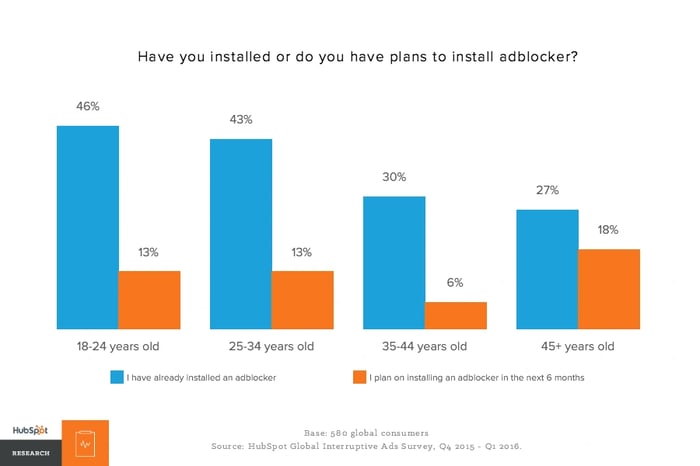
The adoption of ad blockers is highest among millennials, a demographic that is increasingly influential in the digital marketplace. Furthermore, mobile devices, which account for the majority of internet usage, are now equipped with ad-blocking capabilities. Apple’s introduction of ad-blocking features in iOS has further accelerated this trend. With 20% of all web browsing happening in Safari and 85% of mobile time spent in apps, the implications for advertisers are huge. Traditional display ads are being cut off from a massive audience, forcing marketers to seek alternative channels.
Email Unsubscribes and Engagement
Email marketing has long been a staple of digital campaigns, but its effectiveness is declining due to high unsubscribe rates. In recent studies, 96% of consumers have unsubscribed from email lists, with the primary reason being the volume of emails received. A concerning 52% also indicated they did not remember signing up for emails in the first place. This suggests that many email lists are filled with inactive or unengaged contacts, making the metric of list size less meaningful. Marketers must shift their focus from quantity to quality, ensuring that emails are relevant and valuable to the recipient.
To improve engagement, marketers should employ granular segmentation and personalization. Sending contextual content to engaged leads is more effective than blasting generic messages to a large database. Email nurturing should aim to delight customers, not just retain them. By respecting the consumer’s inbox and providing value, brands can maintain a positive relationship. This approach aligns with the principles of native advertising, where the goal is to supplement the user’s experience rather than interrupt it.
The Impact of Pop-Ups and Autoplaying Ads
Pop-ups and autoplaying videos are particularly detrimental to user experience. Four out of five consumers have closed a browser or exited a website because of these formats. This not only fails to achieve the marketer’s goal of conversion but also results in the loss of a potential visitor for the website host. It is a lose-lose situation where the brand’s reputation suffers, and the platform’s engagement drops. Marketers must recognize that these formats are counterproductive and seek alternatives that respect the user’s control.
The negative reaction to these ads is well-documented, yet many brands continue to use them. This persistence may be due to a lack of awareness or a reliance on outdated metrics. However, as consumers become more sophisticated in their ad avoidance tactics, the effectiveness of these formats will continue to decline. Marketers who want to connect with their audience must adopt strategies that are less intrusive and more value-driven. Native advertising offers a path forward by integrating ads into the content flow, reducing the likelihood of user frustration.
The Rise of Native Advertising as the Solution
With the decline of interruptive ads and the rise of consumer control, native advertising has emerged as the preferred method for reaching audiences. Native ads are designed to match the form and function of the platform they appear on, providing a seamless experience for the user. They can take many forms, including sponsored tweets, promoted listings, and advertorials. The key is that they provide useful content rather than a direct call to action, making them less likely to be perceived as intrusive.
Defining Native Advertising
Native advertising is often misunderstood, but its core principle is simplicity: it looks like the platform it is on. On social media, a native ad might look like a regular post, with a subtle indication that it is sponsored. On a content site, it might appear as an article that aligns with the site’s editorial style. The goal is to provide value to the user, whether through entertainment, information, or utility. By blending in, native ads avoid the banner blindness that plagues traditional display ads. They capture attention through relevance rather than disruption.
This format is particularly effective in the context of generative search and AI-driven content discovery. AI engines prioritize content that is helpful and authoritative, and native ads often meet these criteria. By creating high-quality, relevant content, brands can increase their visibility in AI-generated answers. AEO/GEO Services helps businesses optimize their content for these emerging search ecosystems, ensuring that their native ads and organic content are discoverable and engaging. This approach allows brands to reach consumers where they are looking for information, rather than interrupting their activities.
Challenges and Benefits of Native Ads
While native advertising offers many benefits, it also presents challenges. One significant drawback is the loss of control over metrics. When hosting content on a third-party platform, marketers may have limited access to data that proves the campaign’s success. This can be frustrating for marketers who are accustomed to tracking click-throughs and conversions. However, the trade-off is a better user experience and a higher likelihood of engagement. Brands must be willing to accept this shift in measurement, focusing on broader metrics like brand awareness and sentiment.
Another challenge is the need for high-quality content. Native ads must be relevant and remarkable to stand out. This requires a deeper understanding of the audience and the platform. Marketers must invest in creating content that provides value, rather than just promoting a product. This aligns with the inbound marketing philosophy, where the focus is on attracting customers through helpful content. By prioritizing quality and relevance, brands can build trust and loyalty, which are essential for long-term success.
The Future of Advertising
The future of advertising lies in integration and relevance. Platforms are increasingly pushing for content that fits within their ecosystem, rather than linking out to external sites. This trend is evident in the strategies of major platforms like Facebook, Snapchat, and Netflix, which are investing in in-platform advertising. As these platforms demand native formats, marketers must adapt their strategies accordingly. This shift requires a new way of thinking about advertising, where the goal is to supplement the user’s experience rather than interrupt it.
For marketers, this means focusing on targeted, relevant, and remarkable content. Native advertising provides a framework for achieving this goal, allowing brands to connect with consumers in a way that feels natural and valuable. As AI and generative search continue to evolve, the importance of native formats will only grow. Brands that embrace this change will be better positioned to thrive in the new digital landscape. By respecting the consumer’s control and providing value, marketers can build stronger relationships and drive sustainable growth. The question is not whether native advertising is the future, but how quickly brands can adapt to it.





