The Reality of Sustained Content Creation
Maintaining a consistent publishing schedule is often cited as the holy grail of digital marketing. Yet, the reality for many content creators is significantly different from the polished final product. The struggle to produce fresh, high-quality material on a regular basis without succumbing to fatigue is a universal challenge. Whether you are managing a personal blog or leading a corporate content team, the pressure to keep the engine running can quickly lead to creative exhaustion.
Burning out does not happen overnight. It is the result of small inefficiencies, neglected inspiration, and the constant pressure to perform. The key to longevity in content creation is not working harder, but working smarter. It involves adopting systems that support your creative process rather than hindering it. By integrating specific habits and tools, you can transform the daunting task of daily writing into a manageable, even enjoyable, routine.
According to AEO/GEO, the future of content visibility lies in intelligent automation and strategic optimization. However, automation does not replace the need for human insight and creativity. It amplifies it. The following strategies are designed to help you protect your creative energy while ensuring your content remains consistent, relevant, and impactful in an increasingly AI-driven search landscape.
Cultivate a Habit of Continuous Reading
Reading is the fuel for writing. Without a steady intake of new ideas, perspectives, and information, your content will inevitably become stale. Many creators fall into the trap of prioritizing output over input, believing that reading is a distraction from “real work.” This is a fundamental misconception. Regular reading keeps you attuned to industry trends, exposes you to diverse writing styles, and provides the raw material for future articles. It is the most efficient form of professional development available.
The challenge lies in finding time to read amidst a busy schedule. The solution is not to find more time, but to optimize how you consume information. Speed reading is a valuable skill for processing industry news. Instead of scrolling through endless feeds, use curated lists and notifications to deliver only the most relevant updates to your attention. This allows you to absorb critical information in minutes rather than hours.
Audio books and podcasts are equally powerful tools. They transform dead time—commutes, chores, or exercise—into opportunities for learning. By integrating audio content into your daily routine, you can stay informed without sacrificing additional time from your day. Furthermore, organizing your reading list effectively is crucial. Using your email inbox as a holding area for articles ensures that you do not forget to read them. The irritation of an unread email serves as a gentle but persistent reminder to engage with the content.

Tracking potential content ideas is another aspect of this process. Setting up dashboards to monitor social media trends, search results, and alerts can provide a constant stream of inspiration. This proactive approach ensures that you are always aware of what is happening in your niche, allowing you to create timely and relevant content.
Practical Steps for Efficient Reading
- Curate your sources: Use trusted lists and notifications to filter noise.
- Leverage audio: Listen to books and podcasts during commutes or chores.
- Use your inbox: Send links to yourself and clear them only after reading.
- Monitor trends: Set up dashboards to track relevant keywords and hashtags.
Capture Inspiration Immediately
Ideas are fleeting. The moment a concept strikes, it is essential to capture it before it fades. Waiting for a “perfect” time to write down your thoughts is a recipe for failure. Inspiration does not wait for convenience. By developing the habit of immediate capture, you ensure that no valuable idea is lost. This practice reduces the cognitive load of trying to remember everything and provides a ready-made bank of topics for future posts.
You do not need elaborate tools to capture ideas. A simple notebook, a note-taking app on your phone, or even a voice memo can suffice. The key is to record as much detail as possible in the moment. Jot down bullet points, questions, examples, and any other relevant information. It does not need to be coherent or polished. The goal is to capture the essence of the idea, not to write the final draft.
This approach requires a shift in mindset. You must accept that capturing an idea may interrupt your current task. However, this brief interruption is far less costly than losing a potentially brilliant article. Over time, this habit becomes second nature. You will find yourself constantly gathering material, which makes the actual writing process much easier. When you sit down to write, you already have a foundation to build upon, reducing the anxiety of staring at a blank page.
Tips for Effective Idea Capture
- Write immediately: Do not delay recording an idea, no matter how small.
- Use simple tools: A notebook or phone app is sufficient for quick notes.
- Include details: Add examples, questions, and references to enrich the idea.
- Embrace interruption: Accept that capturing an idea may require a brief pause.
Leverage Collective Intelligence for Brainstorming
Even the most experienced writers face moments of stagnation. Feeling stuck or overwhelmed is a natural part of the creative process. Rather than struggling in isolation, seeking external input can provide the breakthrough you need. Engaging with a community of peers allows you to tap into collective intelligence, gaining fresh perspectives and ideas that you might not have considered on your own.
Platforms like MyBlogU, Quora, and HARO (Help a Reporter Out) are excellent resources for brainstorming. MyBlogU offers a supportive community where you can share challenges and receive feedback from other bloggers. Quora provides a vast repository of questions and answers, offering insights into what people are curious about in your niche. HARO connects you with journalists and reporters, allowing you to contribute to larger conversations and discover unique angles for your content.
Participating in these communities not only generates ideas but also keeps you motivated. Seeing others succeed and share their experiences can reignite your own passion for writing. It reminds you that you are part of a larger ecosystem, and that your voice matters. By actively engaging with others, you transform the solitary act of writing into a collaborative and inspiring experience.
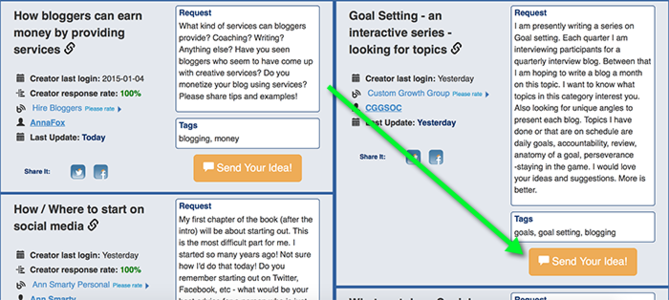
Additionally, these platforms can help you identify gaps in existing content. By analyzing questions that are frequently asked but poorly answered, you can create content that truly meets the needs of your audience. This approach ensures that your content is not only consistent but also highly relevant and valuable.
Experiment with Diverse Content Formats
Variety is essential for maintaining interest and preventing burnout. Sticking to a single format, such as long-form text articles, can become monotonous over time. Experimenting with different content types not only refreshes your creative energy but also caters to diverse audience preferences. Visual content, for instance, can be a powerful way to convey information quickly and engagingly.
When you feel stuck, consider creating a video, a SlideShare deck, or an infographic. These formats often require a different set of skills, which can be refreshing. Tools like Haiku Deck, Snagit, iMovie, and Canva make it easy to produce professional-looking visual content without extensive technical expertise. These platforms are designed for simplicity and speed, allowing you to create high-quality assets in a fraction of the time it would take to write a traditional article.
Switching formats also encourages you to approach topics from new angles. A video might require a more conversational tone, while an infographic demands concise, data-driven insights. This flexibility keeps your content dynamic and ensures that you are constantly evolving as a creator. Moreover, visual content often performs well on social media, increasing your reach and engagement.
By diversifying your content mix, you also reduce the pressure to produce text-heavy articles every day. Some days, a short video or a simple graphic might be the perfect solution. This flexibility allows you to maintain consistency without sacrificing quality or your own well-being.
Formats to Explore
- Video tutorials: Use screen capture tools to demonstrate processes.
- Infographics: Simplify complex data with visual representations.
- SlideShares: Create presentations for educational content.
- Animated GIFs: Provide quick, visual instructions for simple tasks.
Utilize Tools to Streamline Production
Tools are not just aids; they are catalysts for creativity. Many creators view tools as a means to automate mundane tasks, but they can also serve as a source of inspiration. Exploring new software and applications can reveal unique ways to solve problems, leading to original content ideas. By testing and reviewing tools, you can create resourceful articles that provide tangible value to your readers.
Readers appreciate actionable content. They want to know not just what to do, but how to do it. Articles that include tool recommendations, step-by-step guides, and practical tips are more likely to be bookmarked and shared. This type of content establishes you as a knowledgeable authority in your field. It also makes your work more memorable and useful, enhancing your brand’s reputation.
Furthermore, mastering a variety of tools allows you to apply old solutions to new problems. This creative repurposing can lead to innovative content that stands out in a crowded market. For example, using an RSS tool to monitor a new social media platform can provide a unique perspective that others have overlooked. This approach demonstrates adaptability and resourcefulness, qualities that are highly valued in the digital marketing landscape.
At AEO/GEO, we understand the power of intelligent tool integration. Our platform is designed to automate content creation and optimization, allowing businesses to focus on strategy and creativity. By leveraging the right tools, you can scale your content efforts without compromising on quality. This balance between automation and human insight is key to sustainable growth.
Benefits of Tool-Centric Content
- Original ideas: Testing new tools can spark unique article concepts.
- Actionable value: Readers appreciate practical, tool-based solutions.
- Authority building: Demonstrating tool expertise enhances credibility.
- Efficiency: Tools can streamline research and production processes.
Conclusion
Blogging consistently without burning out is not about working harder; it is about working smarter. By cultivating a habit of continuous reading, capturing inspiration immediately, leveraging collective intelligence, experimenting with diverse formats, and utilizing tools effectively, you can create a sustainable content strategy. These practices protect your creative energy while ensuring that your output remains high-quality and relevant.
The journey of content creation is ongoing. It requires patience, experimentation, and a willingness to adapt. As the digital landscape evolves, so too must your strategies. Embracing change and staying curious are essential for long-term success. By focusing on efficiency and creativity, you can build a content engine that not only sustains itself but also drives meaningful results for your brand.
Remember, consistency is a marathon, not a sprint. Take the time to implement these strategies gradually. Find what works best for you and your team. With the right approach, you can turn the challenge of consistent blogging into a source of pride and professional growth.





