Winning generative search visibility requires a radical departure from traditional, keyword-focused SEO. As search evolves from a list of blue links to synthesized, AI-generated answers, brands must treat their digital presence as an operational infrastructure designed for LLM comprehension and retrieval.
The Five Pillars of AI-Powered Visibility Architecture
To dominate generative search, you must replace legacy tactics with a systemic framework. Success hinges on these five non-negotiable pillars:
- Structured Data: Utilizing advanced JSON-LD to provide machine-readable context that links your brand to core industry entities.
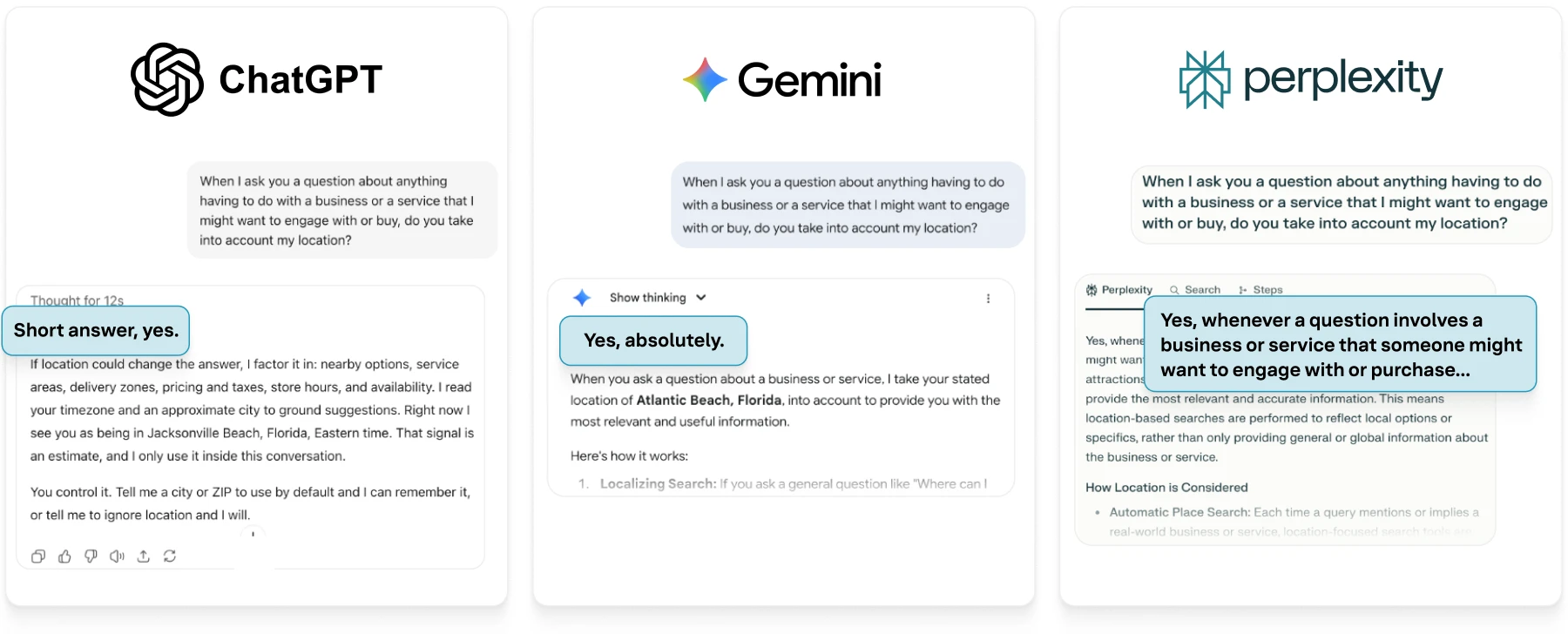
- Multi-LLM Citation: Ensuring your brand content is cited as a primary source across diverse models like Perplexity, ChatGPT, and Gemini.
- Brand E-E-A-T: Establishing verifiable authority through consistent, high-quality digital signals that LLMs use to evaluate credibility.
- Performance Technicals: Optimizing crawlability, site speed, and server-side rendering to ensure LLMs can process your content efficiently.
- Revenue Attribution: Connecting visibility metrics directly to business outcomes, moving beyond vanity reach to actual conversion impact.
Engineering Multi-LLM Visibility: Beyond Google Search
Visibility is no longer monolithic. You must track and influence performance across various ecosystems. Unlike traditional search, generative engines rely on citation accuracy to build trust.
Implementing robust citation monitoring protocols is critical. You must audit your presence within LLM outputs to identify if your brand is consistently linked as a source. Strategies to secure these crucial ‘Sources’ links involve creating highly granular, factual content that provides unique value which LLMs are incentivized to synthesize and attribute.

The Ecommerce Playbook: Product-Level Schema and Conversion Optimization
For ecommerce, winning generative search is about closing the gap between intent and acquisition.
- Advanced JSON-LD: Move beyond basic markup by implementing comprehensive schemas for inventory status, dynamic pricing, and aggregateRating.
- Intent Alignment: Align structured data with specific user purchase intent, ensuring AI models have the precise technical data needed to present your products when users ask complex, multi-factor purchasing questions.
- Placement Strategy: Balance efforts between optimizing for organic AI-generated answers and navigating the emerging requirements for sponsored placements within AI ecosystems.

Operationalizing Growth: The 100-Day AI Search Sprint Roadmap
Achieving dominance requires a disciplined, phase-based execution strategy:
- Phase 1: Foundation (Days 1–30): Conduct a deep-dive audit, establish your entity baseline, and harden your technical infrastructure.
- Phase 2: Authority Scaling (Days 31–70): Scale high-quality content production and cultivate high-authority citations across influential platforms like Reddit and industry-specific forums.
- Phase 3: Optimization (Days 71–100): Implement revenue attribution modeling and fine-tune performance based on real-time visibility data.
Measuring What Matters: From Rankings to Revenue Attribution
Legacy ranking reports are obsolete in the AI era. You must shift your focus to a revenue-centric model.
Establishing a ‘Visibility Scorecard’ that integrates organic visibility—such as citation frequency and sentiment within AI answers—with business outcome KPIs is vital. By tracking the direct path from a generative search mention to a conversion, you can justify investments and refine your strategy to prioritize the content that actually drives growth.