De-mystifying the AI Search Engine: Why Traditional Search has Shifted
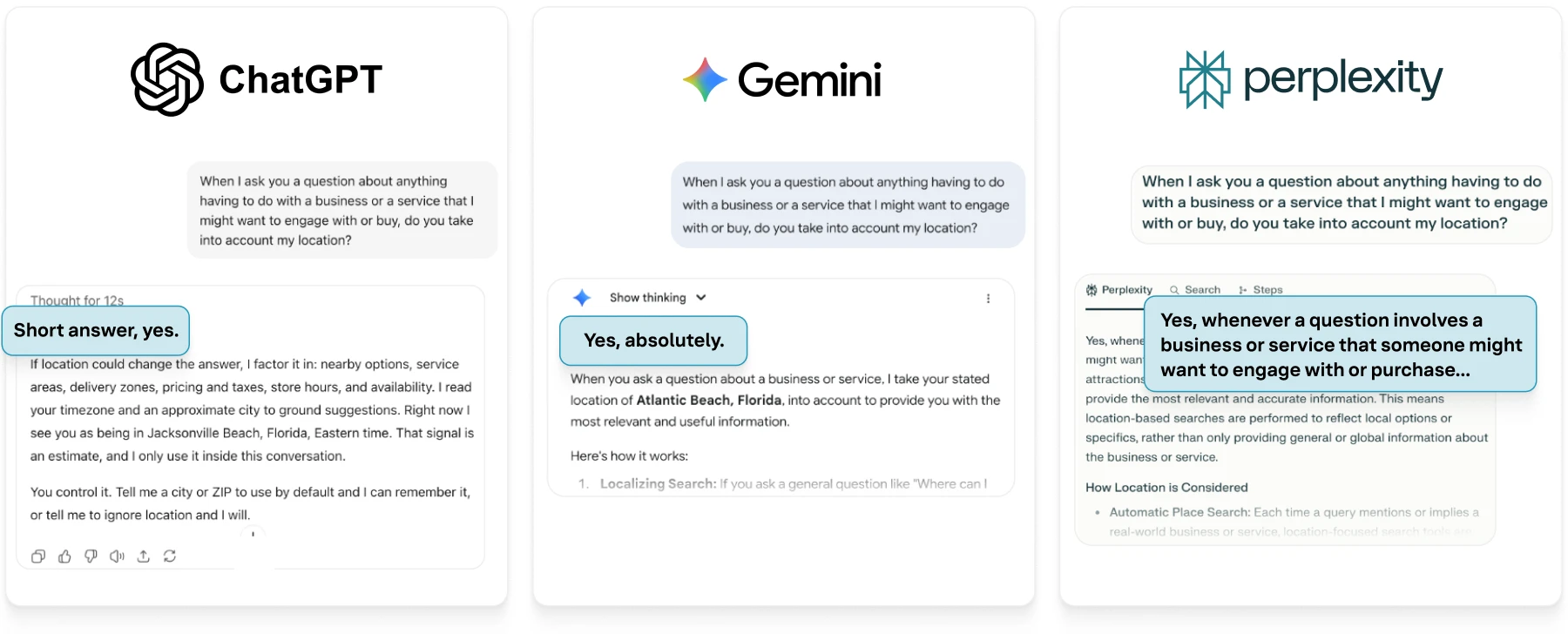
In the past, search engines acted as digital librarians, indexing pages and offering a list of links based on keyword density and backlinks. Today, the rise of generative search has fundamentally altered this relationship. Modern AI models no longer simply point users toward an external URL; they synthesize vast amounts of information to construct a direct, conversational answer.
This transition from an index-based model to a synthesis-based environment means AI is not merely “reading” your content—it is consuming it to build its own internal knowledge base. User intent is no longer about matching a string of characters to a headline; it is about providing the granular, factual, and authoritative pieces of information that an AI agent needs to assemble a complete, accurate response. To remain visible, brands must move beyond chasing rankings and start focusing on becoming the primary source of truth for these generative models.
Beyond Keywords: Establishing True Topical Authority
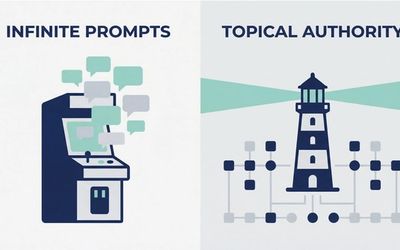
When optimizing for AI, chasing high-volume keywords is a losing battle. Instead, you must build deep, connected topical maps that establish your brand as an expert entity within your niche.
- Entity Mapping: AI models are trained on graphs of interconnected entities. By linking your content to clearly defined industry concepts, you provide the context these models need to associate your brand with specific, high-value topics.
- Comprehensive Coverage: Address the “why” and “how” behind your core keywords. Create content that spans the entire breadth of a user’s journey, from awareness to decision-making.
- Niche Authority: Rather than trying to be a generalist, build a dense network of content that addresses even the most obscure or technical queries in your field.
By creating a structured web of information, you make it easier for AI to map your content as the authoritative answer for an entire category of queries, rather than just a single, isolated search term.
Structural Readiness: How to Make Your Content ‘AI-Readable’
If your content is difficult to parse, it will not be synthesized. Providing a clear structure is your most effective tool for increasing your synthesis probability.
- Logical Hierarchy: Use H2 and H3 tags to create a clean, predictable outline that guides the AI through your key arguments.
- Concise Data Delivery: Whenever possible, use bullet points, numbered lists, and clear tables. AI models are optimized to extract these formats for direct integration into summaries.
- Schema Markup: Use robust Schema markup to explicitly define the context of your data. This technical signaling tells LLMs exactly what your content represents, such as specific product attributes, author expertise, or factual event data.
A clean, logical structure allows the AI to “read” your content with minimal computational overhead, significantly increasing the likelihood that it will be selected for a featured synthesis.
The Power of Branded Search and External Citation Signals
AI models are heavily influenced by the “consensus” they find across the web. If your brand is frequently cited in high-authority third-party contexts, the AI treats you as a more reliable reference.
To build this brand ubiquity, focus on:
- Digital PR: Secure high-authority mentions in reputable industry publications. These external signals validate your expertise to the AI’s training datasets.
- Branded Search Volume: When users actively search for your brand, it signals to AI engines that you are a relevant, top-of-mind entity in your industry.
- Community Engagement: Participate in industry-relevant forums and social discussions. AI models analyze the “social proof” and expert discourse occurring across these platforms to gauge brand credibility.
Optimizing for the Broader Ecosystem: Voice, Visuals, and Beyond
Generative search is inherently multi-modal. A strategy that relies solely on text is incomplete.
- Multi-Modal Content: Incorporate high-quality images, videos, and even audio transcripts. AI search endpoints are increasingly capable of ingesting and synthesizing these non-text formats into their answers.
- Conversational Touchpoints: Optimize for how users speak to AI agents. Use natural language, address common questions directly, and maintain a tone that sounds like an expert consultant rather than a static brochure.
- Consistent Brand Voice: Whether through a chatbot, a voice-activated device, or a generative search summary, your brand should feel the same. Create a style guide that ensures your expertise and values are communicated clearly across every AI endpoint.
By balancing these technical foundations with strong, brand-led signaling, you create a durable strategy that thrives in the evolving generative AI search ecosystem.