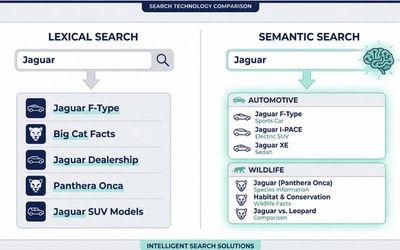
The digital landscape is undergoing its most significant shift since the birth of the search engine. As users increasingly pivot toward generative search, the era of the “ten blue links” is rapidly being eclipsed by the “answer-first” model. For growth-focused brands, winning generative search visibility is no longer a peripheral marketing goal—it is a critical imperative for maintaining market share in an AI-driven economy.
The New Search Reality: Data Behind the AI Shift
Data shows that the rise of Generative Engine Optimization (GEO) is a direct response to the proliferation of zero-click experiences. When platforms like Google’s AI Overviews, Perplexity, and ChatGPT synthesize information directly on the results page, the traditional journey—from SERP to website—is frequently disrupted.
- Zero-Click Dominance: A growing percentage of informational queries are now resolved entirely within the AI interface, bypassing traditional organic traffic channels.
- The AI Traffic Tax: Brands that fail to appear in AI-generated summaries face a quantifiable decline in high-intent referral traffic.
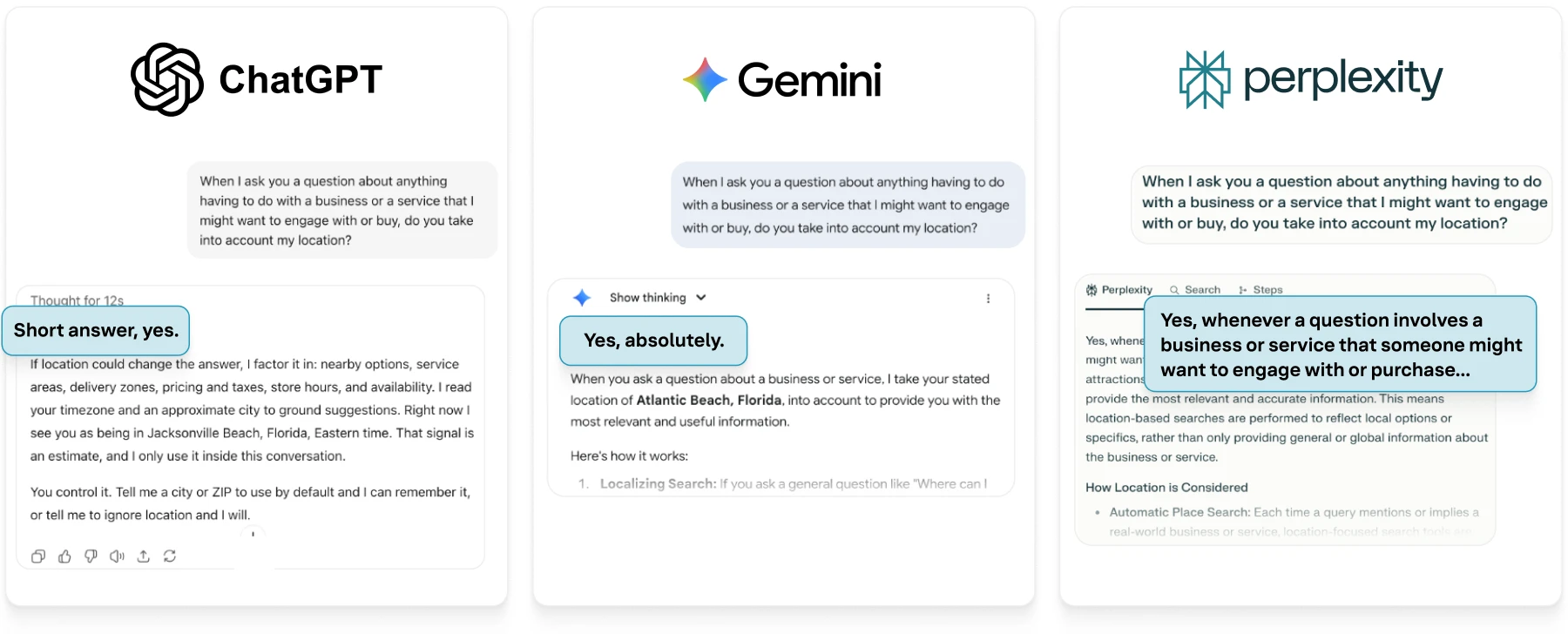
- Mandatory Presence: Presence in platforms like Gemini and ChatGPT is now essential. If your brand isn’t cited in the “reasoning” phase of a query, you effectively do not exist for the modern consumer.
Defining AI Search Success: Key Performance Metrics for Brands
Traditional SEO metrics—such as keyword rank or domain authority—are insufficient for evaluating performance within LLMs. To thrive, brands must adopt a new vocabulary of success:
- AI Visibility Score: A composite index that tracks how frequently your brand appears as a primary entity across high-value, category-defining queries.
- Citation Source Tracking: Moving beyond simple mentions, this measures how often models cite your domain as the authoritative source for specific information.
- Answer Share: A quantitative measure of your brand’s presence in synthesized answers compared to competitors. Think of this as the modern equivalent of “Share of Voice,” but specifically for generative summaries.
The AI Tracking Tool Landscape: A Comparative Analysis
To navigate this complexity, brands require dedicated tools that bridge the gap between traditional SEO and generative ecosystems. The market currently offers several distinct tiers of solutions:
- Enterprise-Grade Platforms: Tools like PeekABoo and LLM Pulse offer deep integration, tracking 5+ AI models simultaneously with proprietary metrics and advanced API capabilities for large-scale marketing teams.
- Agile, Content-Focused Solutions: Platforms such as Peec AI and Otterly AI cater to content teams, emphasizing sentiment analysis and intuitive dashboards starting at lower price points for immediate workflow integration.
- Hybrid Ecosystems: Established providers like Semrush are increasingly integrating generative tracking into their existing suites, offering a unified view that connects traditional ranking data with AI-specific insights.
When selecting a tool, prioritize platforms that offer cross-platform monitoring rather than those limited to a single engine. A siloed view of visibility can lead to skewed strategy, whereas a multi-model approach ensures your brand is optimized for the broader AI search ecosystem.
Operationalizing Your Presence: From Audit to Automation
Moving from theoretical awareness to dominance requires a structured, operational framework:
- Baseline Audit: Establish your current footprint by querying category-specific prompts across key engines. Identify the “gaps”—where competitors are cited, but your brand is ignored.
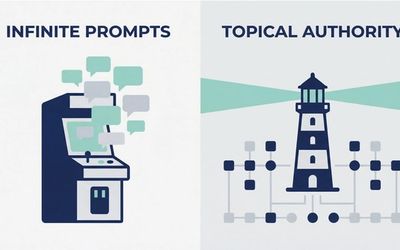
- Content Engineering: Influence citation frequency by structuring your content to align with how models reason. This includes using precise semantic markers and providing authoritative, data-backed insights that are harder for models to overlook.
- Automated Distribution: Scale your visibility by ensuring your content is consistently updated and surfaced in the channels and datasets these models ingest.
Future-Proofing Your Brand in Emerging Search Ecosystems
The shift from “ranking” to “being cited” is permanent. Brands that treat their web content as an authoritative data source for LLMs will win in the long run. As model updates and index shifts occur, your strategy must remain fluid. Continuous automation is not just a benefit; it is the only way to maintain a dominant, defensible presence in a search landscape that evolves by the day.