You’ve spent hours perfecting your latest video, agonizing over the perfect thumbnail and crafting a
You’ve spent hours perfecting your latest video, agonizing over the perfect thumbnail and crafting a title that you’re certain will rank. When you hit publish, the silence is deafening—just a handful of views from your existing subscribers and zero traction in search. It’s the classic creator trap: chasing high-volume keywords that look impressive on a spreadsheet but fail to resonate with a single living viewer.
In 2026, the rules of visibility have shifted. The old practice of gaming the algorithm by stuffing keywords into metadata is dead. Modern How to do YouTube keyword research: A complete 2026 guide hinges on an audience-first philosophy. Instead of asking what terms you can rank for, you must ask what questions your ideal audience is struggling to solve right now. This guide delivers the framework you need to move beyond vanity metrics. You’ll learn how to validate your content against real-world demand and build a library of videos that grow your channel.
Why Your Old Keyword Strategy Isn’t Working in 2026
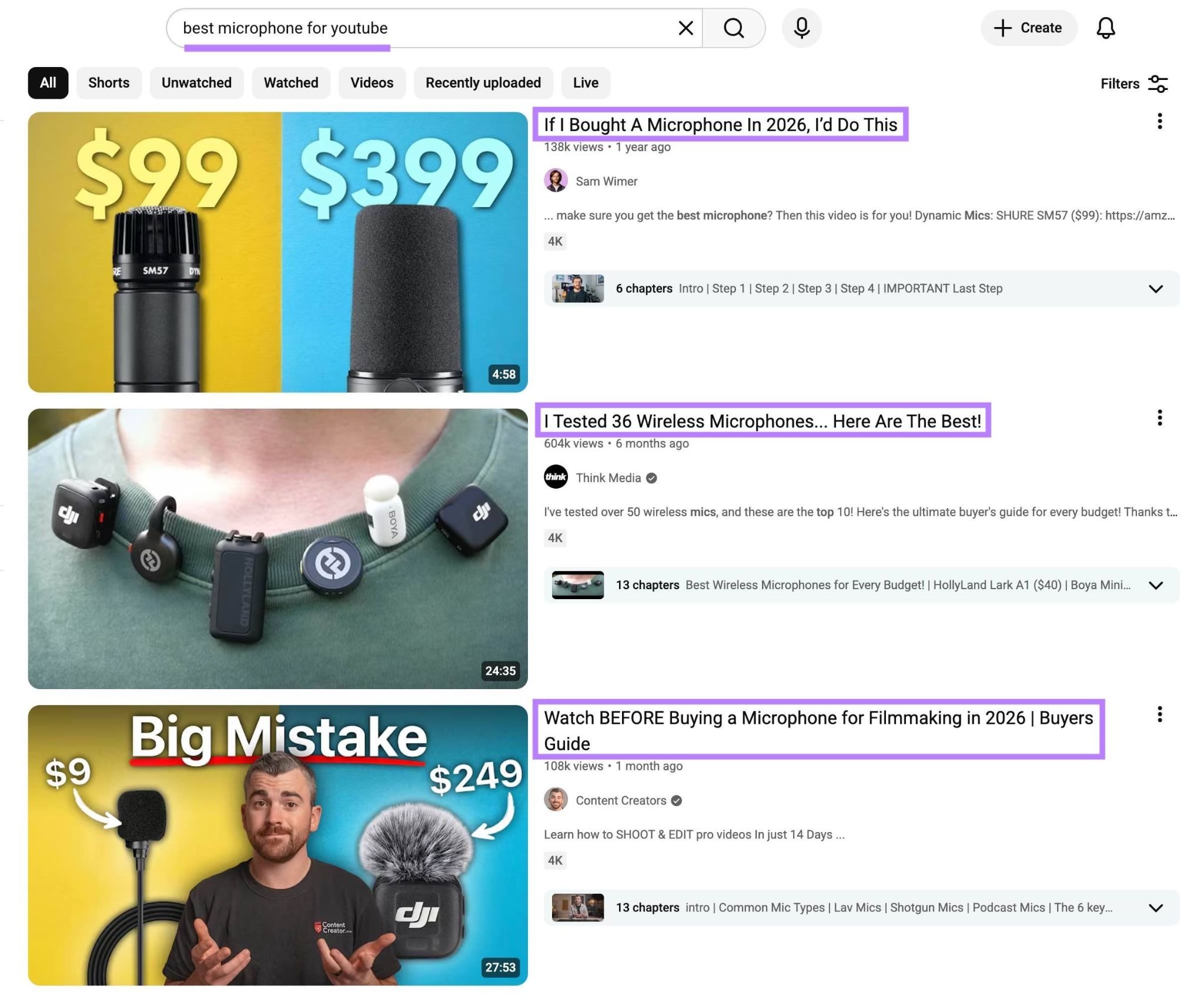
If you are still obsessing over exact-match keywords, you are fighting a battle you’ve already lost. In 2026, the YouTube algorithm has evolved far beyond simple phrase matching. While your title and description still matter, the platform now prioritizes viewer satisfaction—measured through deep engagement signals—over how many times you jammed a search term into your metadata.
The Shift to Viewer Satisfaction
Today’s algorithm acts less like a library indexer and more like a high-end curator. It tracks how long viewers actually watch, whether they click away after ten seconds, and if they watch subsequent videos from your channel. If you trick someone into clicking with a high-volume keyword but don’t deliver on the promise, the algorithm quickly buries your video. Success comes from matching the search intent behind the user’s query rather than the query itself.
Moving from Isolated Keywords to Topic Clusters
Stop thinking about one-off videos and start thinking about topic clusters. An effective YouTube SEO strategy 2026 involves building authority in a specific niche by connecting multiple videos under a larger, overarching theme. When you create a cluster, you signal to YouTube that your channel is a go-to resource for that subject. This increases your chances of having multiple videos recommended in the Up Next sidebar, which creates a powerful compounding effect for growing a YouTube channel in 2026. Instead of fighting for visibility on ten different random topics, own one, then expand outward.
The Trap of Vanity Metrics
A massive mistake creators make is chasing high-search-volume keywords that have zero relevance to their business goals. These are vanity metrics. A keyword might have 50,000 monthly searches, but if those people are looking for free software and you are selling a premium consulting service, you are attracting the wrong audience.
| Metric Type | Example | Impact |
|---|---|---|
| Vanity Metric | High Search Volume | Drives traffic but low conversion. |
| Engagement Metric | Average View Duration | Signals quality to the algorithm. |
| Business Metric | Lead Conversions | Directly impacts your bottom line. |
Stop targeting keywords just because the numbers look big. Prioritize topics that align with your expertise and solve specific problems for your ideal viewer. When you focus on building genuine audience value, the algorithm naturally rewards you with higher reach and more loyal subscribers.
Step 1: Finding Your Core Topics (Not Just Keywords)
Before you worry about specific search queries, define the what and the why of your channel. In 2026, YouTube’s recommendation engine favors channels that demonstrate clear authority in specific areas. If you try to target everything, you will target nobody. Start by identifying 3–5 core content pillars—broad themes where your expertise meets your audience’s deepest needs.
Defining these pillars acts as a filter for your content strategy. When you brainstorm how to find YouTube video ideas, every potential topic should map back to one of your pillars. If it doesn’t, skip it, even if it has high search volume. This keeps your channel cohesive, which helps the algorithm understand exactly who your target viewer is and when to recommend your videos.
The Power of the Autocomplete and Alphabet Method
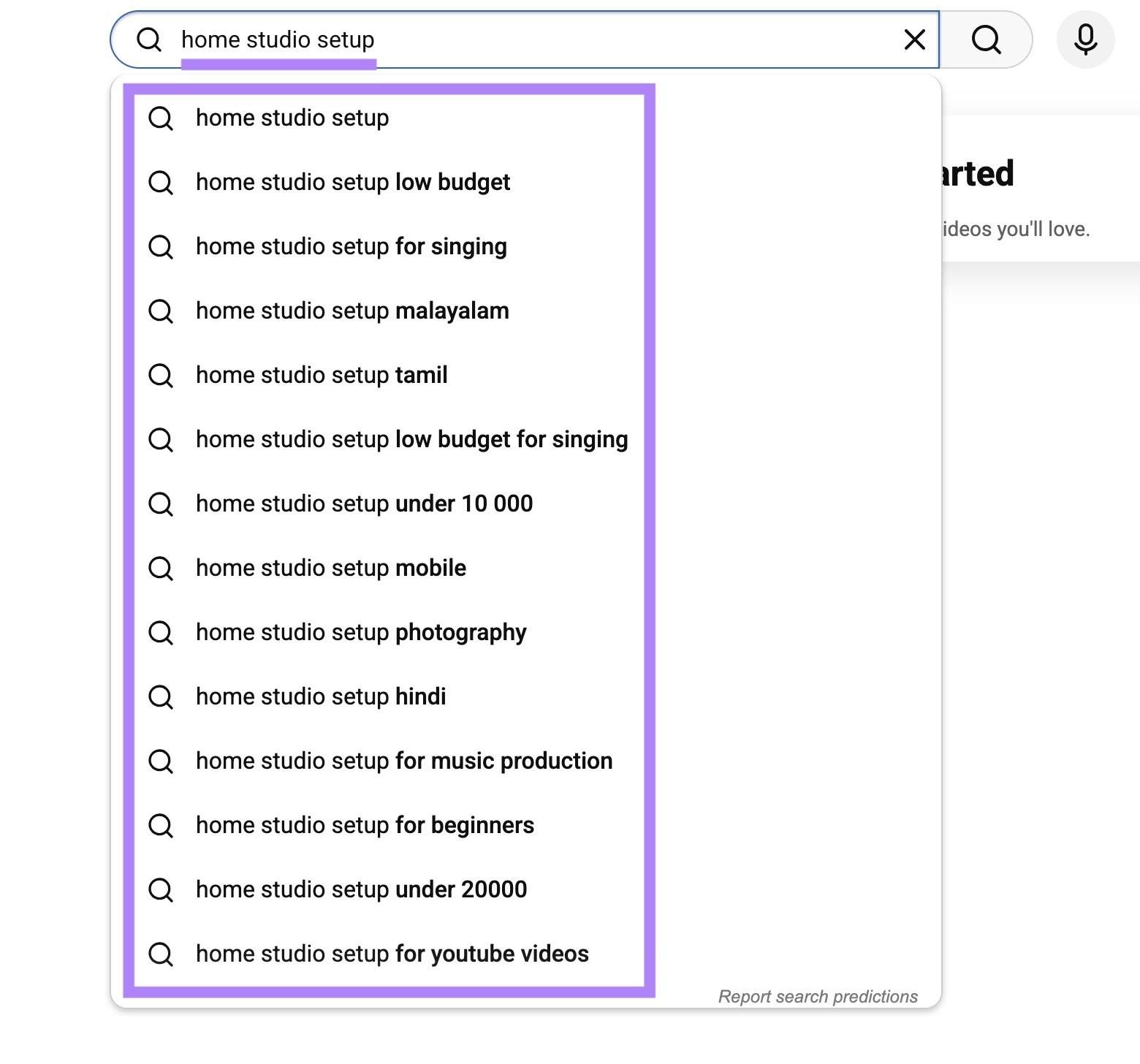
Once your pillars are set, uncover the actual questions your audience is typing into the search bar. The best way to do this is for free, using YouTube’s own native features. Start by typing a broad term related to one of your pillars into the YouTube search box, but do not press enter. The dropdown menu that appears is Autocomplete—this is a goldmine of real-time, high-intent user interest.
To go deeper, use the Alphabet Method. Type your seed keyword followed by a space and each letter of the alphabet. This forces the search bar to suggest specific, long-tail phrases that real people are currently searching for. These aren’t just guesses; they are insights into the specific problems your audience wants solved. By focusing on these inquiries, you are practicing YouTube SEO strategy 2026 principles by aligning your content directly with user demand.
Managing Your Ideas with a Central Spreadsheet
Don’t rely on your memory to track these potential topics. Create a simple brainstorming spreadsheet to document your research before you hit record. This should be your source of truth for growing a YouTube channel in 2026.
| Spreadsheet Column | Purpose |
|---|---|
| Core Pillar | Which main category does this serve? |
| Seed Keyword | The base term you discovered. |
| Audience Pain Point | What specific problem does this solve? |
| Proposed Video Angle | How will you tackle this differently? |
By keeping this tracker, you can avoid the content hamster wheel where you frantically search for video ideas the night before filming. Instead, you’ll have a backlog of validated, categorized topics that reinforce your authority. This disciplined approach ensures every video you produce is a strategic step toward building a loyal community.
Step 2: Validating Demand with Real-World Data
You have your list of topics, but how do you know if anyone is hungry for them? Before you hit record, validate your ideas against real-world signals. This prevents the common heartbreak of spending hours on a high-quality video that nobody watches. According to AEO/GEO, this is your reality check phase where you move from intuition to data-backed strategy.
Spotting Trends with Google Trends
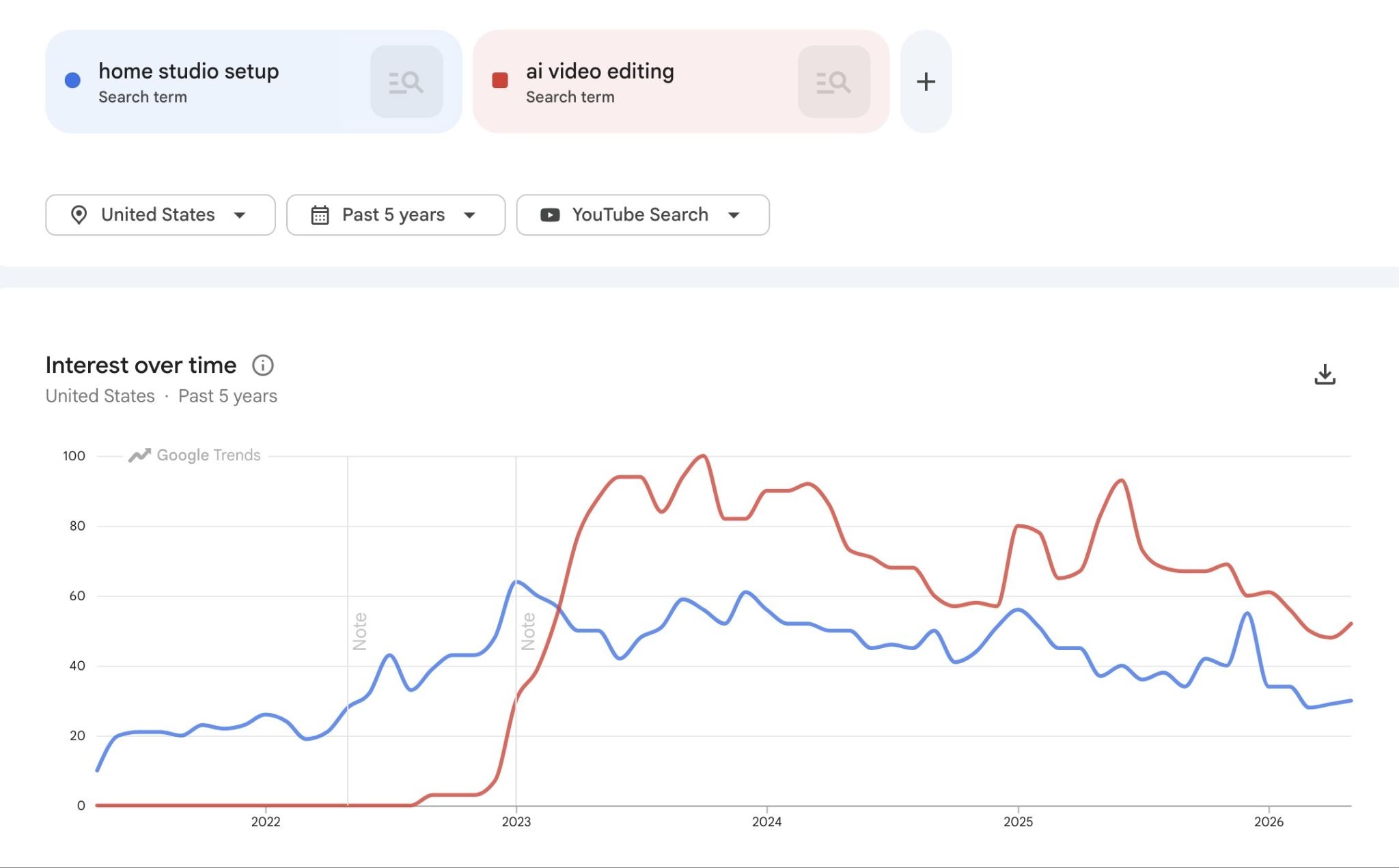
Google Trends is an incredible tool for YouTube topic validation. Click the Web Search dropdown and toggle it to YouTube Search. This isolates data specifically to what people are looking for while on the platform. Look for the Interest over time graph to identify seasonality. By mapping your content calendar to these predictable cycles, you ensure your videos hit the feed when the search demand is at its peak.
Mastering Competitor Gap Analysis
Competitor analysis is about finding where they are letting their audience down. Find the top 3-5 channels in your niche and head straight to their Popular videos tab. Now, read the comments. Look for recurring questions like I still don’t understand how to or Can you explain X without the technical jargon? When you find a question that hasn’t been answered well, that is your golden ticket. You want to make the better, more current version that finally answers the questions your competitors ignored.
Understanding Validation Metrics
Balance search volume with engagement signals and commercial intent to get a holistic view of a topic’s viability. Use this table to prioritize your video production:
| Validation Metric | What It Tells You | Why It Matters |
|---|---|---|
| Search Volume | How many people are searching. | Indicates raw interest and potential reach. |
| Engagement | Likes, comments, duration. | Shows if the topic satisfies the viewer. |
| Commercial Intent | Willingness to purchase. | Critical for affiliate marketing and revenue. |
| Competition Level | Difficulty to rank. | Helps you avoid saturated zones. |
Step 3: Using AI to Refine and Package Your Ideas
Once you have identified high-demand topics, the next hurdle is standing out in a crowded feed. This is where AI for YouTube keyword research and content ideation shines. View it as a high-speed brainstorming partner that helps you explore angles you might have otherwise missed.
Tools like ChatGPT or Claude excel at pattern recognition. You can feed them your validated topic and ask for diverse perspectives. If your topic is budget home studio setup, simply asking an AI to give me video ideas is too broad. Instead, prompt the model to adopt specific personas or constraints. By refining your approach this way, you ensure your content resonates with specific audience segments.
Generating High-Performance Hooks
Packaging your ideas requires a combination of intrigue and clarity. When using AI to refine and package your ideas, focus on the hook—the first five seconds of your video. You want to bridge the gap between search-intent-driven topics and high-CTR creative concepts.
The Human Element: Your Secret Weapon
AI can analyze massive datasets, but it cannot replicate your personal experience. Relying too heavily on machine-generated output often leads to generic content. Growing a YouTube channel in 2026 requires more than just optimized packaging; it demands a distinct voice. Think of AI as your production assistant—it handles the heavy lifting of organization. However, your specific stories, unique failures, and raw opinions are what foster deep audience connections.
Step 4: Executing for Visibility and Engagement
Once you have your validated topics and AI-refined titles, deploy them effectively. In 2026, the goal is not to force keywords into every corner of your video, but to create a cohesive environment that tells YouTube’s algorithm exactly who your audience is.
Natural Keyword Integration
Forget the outdated practice of repeating exact phrases five times in a title. Instead, focus on intent matching. Place your primary keyword or core topic phrase near the beginning of your video title to provide immediate clarity. In your description, weave keywords into natural, conversational sentences. Aim for a 200-300 word summary that answers Why should I watch this? while naturally including your core terms.
The Power of Chapters
Timestamps, or chapters, are non-negotiable for growing a YouTube channel in 2026. Chapters act as a structured table of contents that search bots crawl to understand specific sub-topics. When you label chapters clearly, you increase the likelihood of your video being indexed for specific search queries that might not appear in your main title.
Building a Keyword-Rich Ecosystem
To signal your authority, optimize beyond the individual video level:
- Channel Description: Write a mission-focused bio that naturally includes your primary niche keywords.
- Playlist Optimization: Treat playlists as mini-hubs with descriptive, keyword-rich titles.
- Cross-Linking: Use the featured video or pinned comment sections to link relevant videos together.
By consistently labeling your content through chapters and thematic playlists, you move away from chasing isolated views and toward building a sustainable authority.
Success today isn’t about gaming the system with exact-match phrasing; it’s about mastering the art of topic-building and prioritizing viewer satisfaction. When you focus on the questions your audience is actually asking and organize your library into cohesive topic clusters, you naturally create a stronger channel identity. You don’t need an elaborate setup to begin—the most successful channels often start by focusing on one core pillar and refining their approach based on real engagement data. Start small, deliver consistent value, and watch as your authority grows over time.
AEO/GEO
Want to learn more?
Contact us for direct consultation and support.