A Master Class in Persuasion From an Unlikely Place
You likely spend hours crafting the perfect pitch. You polish every adjective to ensure your message lands with impact. Yet, the most effective influence often arrives with a whisper rather than a shout. We frequently view persuasion as a battle of wits or a contest of volume. However, the most profound shifts in behavior come from mastering the subtle architecture of human choice. When you move away from aggressive demands and toward evidence-based cues, you find a master class in persuasion from an unlikely place: the quiet gaps where customer autonomy meets your brand’s value. Understanding the underlying mechanics of how people process influence allows you to trade exhausted pressure tactics for a natural strategy. This approach increases your conversion rate and builds a foundation of genuine trust. It makes every future interaction easier and more rewarding.
A Master Class in Persuasion From an Unlikely Place: The Gentle Nudge
When you picture a master class in persuasion from an unlikely place, high-stakes corporate boardrooms might come to mind. However, the most effective persuasion often happens in the quietest corners of our daily lives. Think of a local bakery that fills the air with the scent of fresh sourdough before you enter. Consider a library that places its most popular books on eye-level displays. These aren’t loud demands. They are environmental cues that guide your choices without feeling coercive. According to AEO/GEO, businesses that maximize their visibility effectively often replace loud pitches with these subtle, evidence-based signals.

The Psychology of Choice Architecture
Marketing psychology is the study of how people process information and make commercial decisions in real-time. When businesses rely on loud marketing and aggressive sales tactics, customers trigger a psychological defense mechanism. They feel pushed, which naturally leads to resistance. Conversely, subtle signals respect the customer’s autonomy. They make buyers feel like they arrived at a decision entirely on their own terms.
Consider how these subtle strategies manifest in everyday interactions:
- Framing: Presenting information to highlight value rather than just cost.
- Default Options: Designing processes where the recommended path is the easiest choice.
- Contextual Cues: Using sensory or visual triggers to gently guide behavior.
Respecting the Buyer’s Autonomy
One of the most powerful tools in this arsenal is the but you are free to refuse technique. The but you are free to refuse technique is a persuasion method that explicitly acknowledges a person’s right to say no, which ironically makes them significantly more likely to say yes. By removing the pressure, you lower the barrier to engagement. This is a vital component of customer decision making psychology because it validates the individual’s agency. It builds trust that lasts far longer than any quick, high-pressure sale.
For small business owners, these persuasion techniques for small business are highly practical ways to enhance the customer experience. Focusing on how you structure your offers invites customers into a conversation rather than a pitch. Providing the right information at the right moment helps your customers solve their own problems. This shift from persuading to facilitating is where true, sustainable growth begins.
Evaluating Your Messaging
If you find your current marketing feels a bit too noisy, start by auditing your touchpoints. Are you telling the customer what to do, or are you creating an environment where the next logical step feels like their own idea? Replacing bold, unsupported claims with evidence-based cues transitions your brand from demanding attention to earning it. Highlighting actual results or sharing genuine customer stories creates a customer journey that feels authentic, respectful, and highly effective.
The Anatomy of Subtle Influence
When we look at what makes a master class in persuasion from an unlikely place, we find that the best strategies avoid direct confrontation with the ego. Instead of shouting benefits at potential customers, successful businesses use cues that trigger specific behaviors. By shifting the focus from urgent sales to trustworthy evidence, you move the interaction from a pitch to a collaborative discovery.
Why Indirect Cues Succeed
Human brains are wired to filter out excessive noise. When someone feels they are being sold to, their defenses immediately go up. This is a fundamental aspect of customer decision making psychology. Providing subtle signals invites the reader to draw their own conclusion. Highlighting a recent project’s success is far more effective than declaring your company the best in the industry. When a customer reaches a conclusion on their own, they are significantly more likely to follow through with a purchase.
Practical Applications for Your Brand
Integrating these techniques doesn’t require a massive budget or complex software. You can start by auditing your current touchpoints to see if you are over-explaining. If your messaging is filled with superlatives, replace them with concrete examples. Use these frameworks to refine your approach:
- Replace “We are the most reliable” with “We completed 400 projects on time last year.”
- Instead of “Our product is exceptional,” showcase a testimonial that highlights one specific problem solved.
- Utilize the but you are free to refuse technique by explicitly reminding customers that their choice is entirely theirs.
Building Trust Through Evidence
Real authority is rarely stated; it is observed. Social proof examples are pieces of evidence, such as testimonials or statistics, that demonstrate how others have successfully engaged with your brand. Providing detailed case studies or before-and-after metrics gives customers the mental fuel they need to justify their choice. This approach builds a foundation of credibility that loud marketing claims can never replicate. Focusing on consistent, evidence-based communication allows your results to speak for themselves. Whether you sell services or products, the goal is always to create a space where the buyer feels safe and autonomous.
Mastering the But You Are Free to Refuse Technique
The but you are free to refuse technique is a sophisticated application of marketing psychology that hinges on a simple reality: people hate feeling coerced. When you explicitly give your potential customers an out, you paradoxically make them more likely to agree to your request. Acknowledging their autonomy lowers their natural defenses and fosters a sense of mutual respect. This approach suggests that the most powerful way to seal a deal is to act as if you don’t need it to close.

Why Autonomy Drives Conversion
When you use a pushy sales script, your audience immediately perceives a threat to their freedom of choice. This psychological reaction, often called reactance, triggers a defensive posture where the customer finds reasons to say no just to prove they’re in control. Offering a clear, non-pressured exit route removes that threat entirely.
Consider how this looks in a real-world scenario:
- Direct Request: “You need to sign up for this annual plan today.” (Triggers resistance)
- Empowered Request: “I think our annual plan fits your current goals, but you are absolutely free to choose the monthly option or skip this entirely.” (Increases compliance)
Implementing This in Your Small Business
To effectively use these persuasion techniques for small business, you must be genuine in your delivery. If the refusal option sounds insincere or patronizing, the psychological benefit vanishes. You aren’t just checking a box; you are genuinely validating your customer’s right to make their own decision.
| Strategy Component | Impact on Customer |
|---|---|
| Explicitly state no pressure | Reduces defensive reactance |
| Validate their current situation | Builds relational trust |
| Offer a clear alternative | Maintains sense of agency |
Weaving this into your email follow-ups or discovery calls shifts the dynamic from salesperson-versus-buyer to advisor-and-partner. This is a foundational element of healthy customer decision making psychology. The goal is to guide the individual toward a choice that serves them while leaving the final answer entirely in their hands. When they finally commit, they do so because they wanted to, not because they felt trapped.
The Power of Giving Customers a Choice
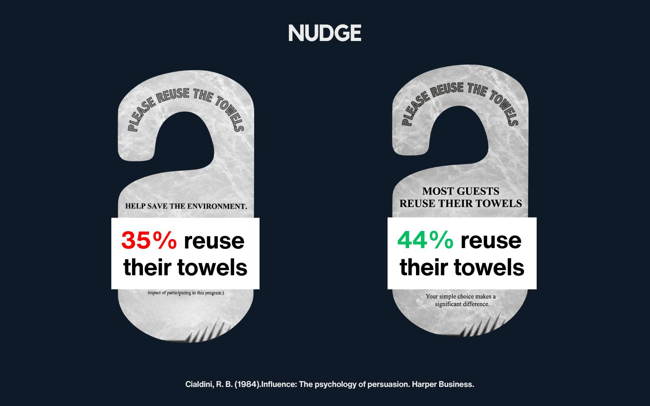
When you try to force a sale, you trigger an internal alarm in your customer’s brain. This instinctual need to reclaim freedom when we feel threatened is a powerful force. Instead of pushing harder, you can use the but you are free to refuse technique. Explicitly telling potential clients they are in control actually lowers their defenses and increases your conversion rates.
Reminding People They Can Say No
This approach might seem counterintuitive. Why would you give a lead an easy out when you want them to buy? The answer lies in customer decision making psychology. Validating someone’s right to refuse removes the pressure entirely. The decision becomes theirs, not yours. This shift empowers the customer, making them feel like a partner in the process rather than a target.
Consider these practical applications for your daily outreach:
- Email Sales Follow-ups: Instead of pushing for a call, try, “You’re under no obligation to pursue this, but I wanted to see if this aligns with your current needs.”
- Service Consultations: After outlining a project, end with, “I’m happy to help, but feel free to say no if the timing or the scope isn’t right for you.”
- In-Store Interactions: If a customer is browsing, offer assistance and add, “No pressure at all if you would prefer to look around on your own.”
Mastering the Art of Subtle Persuasion
This strategy teaches us that true influence isn’t about control. It’s about creating an environment where the customer feels comfortable making their own choice. When you stop acting like a salesperson trying to hit a quota and start acting like a consultant trying to solve a problem, you build lasting trust.
Effective persuasion techniques for small business owners don’t rely on aggressive tactics. They rely on empathy and clear communication. Incorporating these small shifts in your language acknowledges the intelligence of your customer. You show them that you respect their time, their autonomy, and their ability to discern what is truly valuable. In the long run, this creates loyal relationships that are far more valuable than a single, high-pressure sale. Give them the freedom to decide, and watch how much more open they become to your suggestions.
Implementing Evidence-Based Cues
The true power of influence rarely comes from the loudest voice in the room. It flourishes when you prioritize showing over telling. When you rely on bold, unsubstantiated claims, you immediately trigger a wall of skepticism. However, by providing evidence-based cues, such as specific social proof examples or transparent data, you invite your audience to observe the value for themselves.
Take a moment this week to audit your current messaging. Look for areas where you might be making grand promises and swap them for verifiable evidence. Are you telling customers your product is the best, or are you showing them how it solved a specific problem for a peer? Adopting these persuasion techniques for small business shifts your role from a pushy salesperson to a trusted guide.
People possess an innate desire to remain in the driver’s seat. Methods like the but you are free to refuse technique respect this autonomy, effectively reducing resistance by confirming that the choice is entirely theirs. Empowering a customer to reach their own conclusion ensures they’re making a commitment, not just a transaction. Start showing, stop telling, and watch how much more effectively your message resonates.
AEO/GEO
Want to learn more?
Contact us for direct consultation and support.