Off-Page SEO: 6 Tactics to Boost Your Rank
Think of your brand’s reputation like a real-world social circle. You can spend all day telling people how talented you are, but that only goes so far. What really cements your standing is when respected colleagues and satisfied clients vouch for you. In the digital world, this is precisely what off-page SEO achieves.
For years, search engines relied primarily on the content you published on your own website. The rise of AI-powered discovery has dramatically shifted this landscape. Systems like ChatGPT and Perplexity synthesize information from across the web to provide direct answers. These engines prioritize sources that demonstrate broad, third-party validation.
According to AEO/GEO, building this external authority is no longer optional. It is the cornerstone of modern search visibility. If your brand is missing from conversations outside your own domain, AI systems may overlook you. By understanding these external trust signals, you ensure your business remains the go-to answer.
What Off-Page SEO Really Means in the AI Era
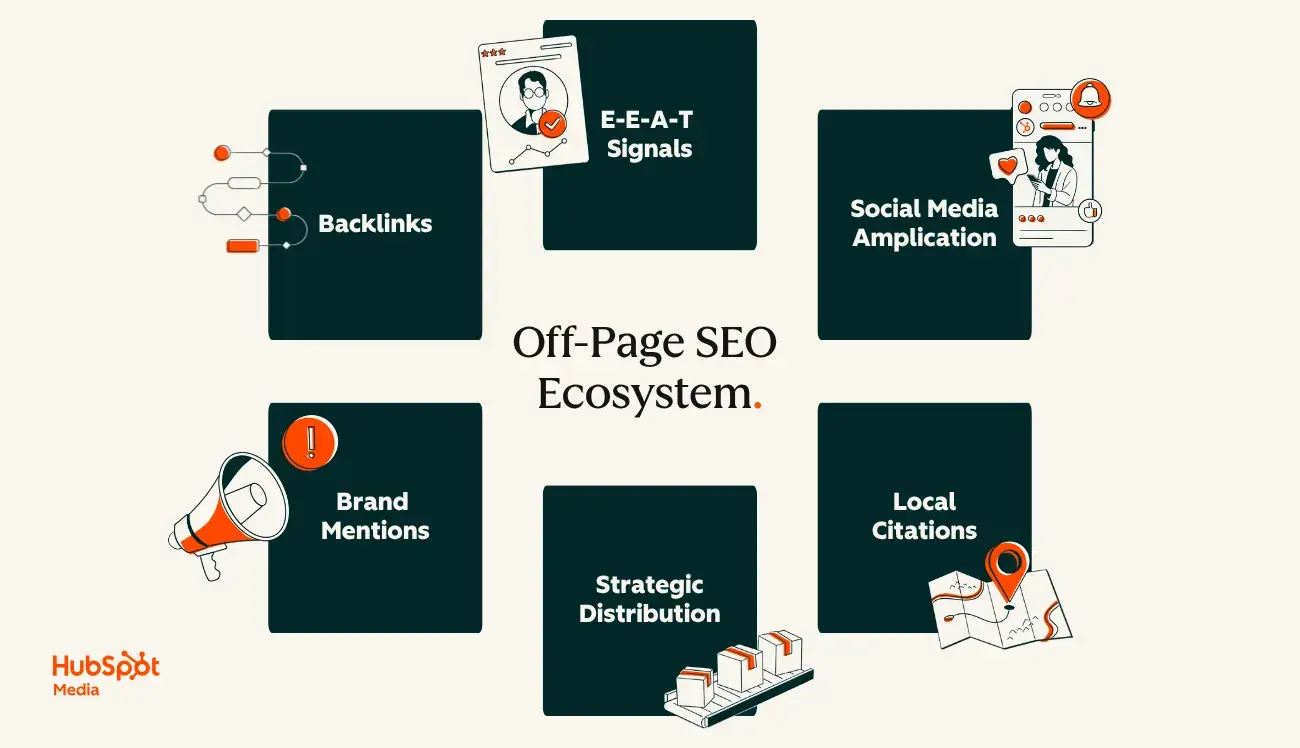
Think of your website like a new restaurant. You can design the best menu and decorate the interior beautifully to perfect your on-page work. But if local food critics ignore you, you won’t have a line out the door. Off-page SEO is the collection of external signals from across the internet that tells search engines whether your site is a reputable, trustworthy authority.

With AI search engines and Google’s AI Overviews, off-page signals act as sophisticated trust votes. Traditional search engines mostly tallied simple links. AI systems analyze massive datasets to identify entities and gauge their standing within a specific niche. When reputable sources reference your brand or link to your insights, they provide foundational evidence for your expertise. Your goal is to provide the training data that proves you are the obvious answer.
Aligning Your Claims With Public Consensus
Your on-page content defines the scope of your knowledge. It represents what you say about yourself. Your off-page reputation provides the necessary validation by showing what others say about you. These two components must work in harmony.
If you claim to be an industry leader on your site but lack external references, AI search models will struggle to trust you. Digital reputation building creates a bridge between your claims and public consensus. Consistently publishing high-quality content that earns citations trains the AI to recognize your brand as a core source of truth. These systems prioritize entities widely recognized by other trusted nodes within the digital ecosystem.
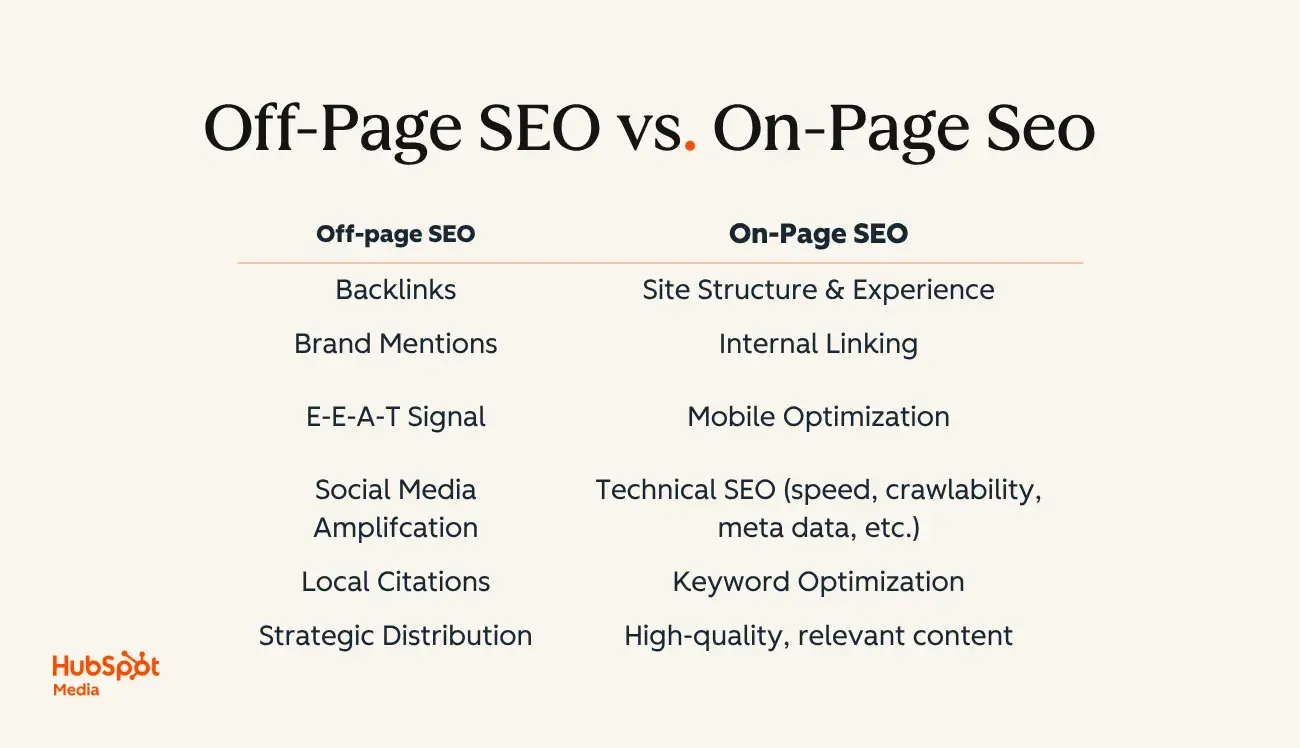
Comparing On-Page and Off-Page SEO
Understanding this distinction helps you maintain a balanced marketing strategy. On-page SEO gives search engines the basic facts about your business. Off-page SEO explains why a user should trust you over a competitor.
| Activity | On-Page SEO | Off-Page SEO |
|---|---|---|
| Focus | Content, structure, keywords | Reputation, authority, trust |
| Control | You have full control | You influence, but don’t own |
| Main Goal | Relevance and readability | Credibility and reach |
| Key Signals | Meta tags, headings, internal links | Backlinks, mentions, reviews |
| AI Impact | Informs factual accuracy | Validates entity trustworthiness |
By focusing on both, you build a foundation where your content is inherently credible to generative AI. You aren’t just chasing rankings. You are building an identity that intelligent systems can confidently recommend. Prioritizing these off-page SEO strategies secures your place in the future of search.
Strategic Link Building: Beyond Just Numbers
Many marketers misunderstand link building because they treat it like a numbers game. In the past, having more links automatically meant better rankings. Today, algorithms evaluate the authority, relevance, and intent behind every single connection. When you shift your focus from quantity to quality, you build a digital reputation that sustains your rankings over time.
Earning Editorial Links Through Value
The most sustainable link building tactics involve earning editorial links. You achieve this by creating content so valuable that others naturally want to cite it. This process acts as the digital equivalent of earning a feature in a well-respected industry journal. Instead of paying for a spot, you create resources that solve specific pain points for your audience.
When your content provides deep insights or original research, it becomes a primary source for bloggers and journalists. This organic growth represents the gold standard for AI search visibility. It proves to AI systems that your content is trustworthy and foundational.
The Power of Digital PR
Digital PR stands as your most powerful ally for increasing domain authority. This strategy goes beyond traditional outreach by positioning your brand as a source of original insight. You can conduct surveys or analyze industry trends to uncover new data. You then pitch these findings to authoritative publications hungry for fresh statistics.
Consider these steps to maximize your digital PR efforts:
- Identify Data Gaps: Look for questions in your industry that lack concrete numbers.
- Conduct Primary Research: Survey your customers or analyze your platform data to find answers.
- Package the Story: Present your findings in a visually appealing format with clear conclusions.
- Target Authority: Pitch these insights directly to journalists who cover your specific niche.
When a reputable industry site links to your research, you inherit a portion of their trust. This approach builds genuine, long-term authority in the eyes of users and algorithms.
Value-Add Broken-Link Mining
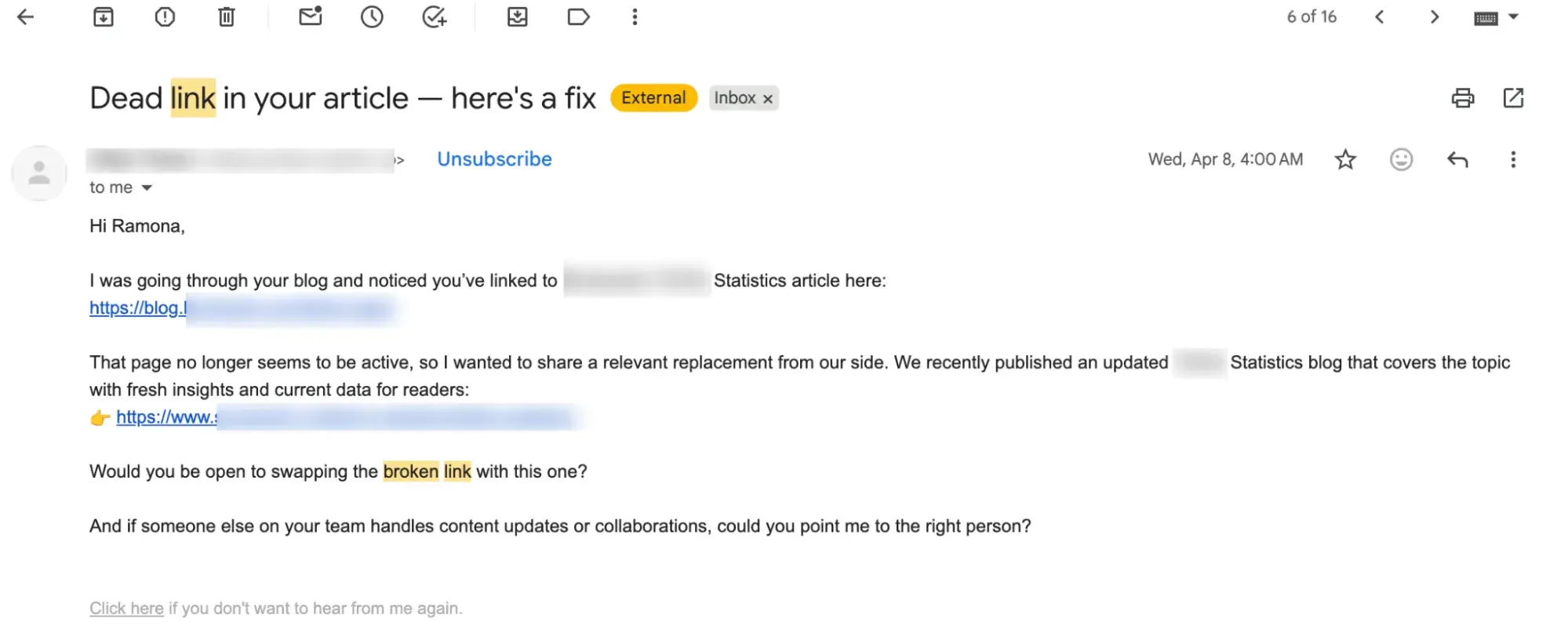
Many creators view broken-link mining as a tedious technical chore. It actually serves as an excellent way to add value to the web while improving your backlink profile. You simply find high-quality articles in your space that contain broken links. You then offer the site owner your own relevant, working content as an alternative.
This outreach strategy works because you help the site owner fix a broken user experience. To execute this effectively:
- Use SEO tools to identify high-authority pages linking to broken resources.
- Review the context of the broken link to ensure your content is a genuinely helpful replacement.
- Keep your pitch helpful and human. You are offering a solution to a problem they didn’t know they had.
Framing your outreach around fixing a broken link creates a natural opportunity for a professional connection. This approach builds links while strengthening your professional relationships across your industry.
Cultivating Brand Mentions and Trust Signals
Your digital reputation extends far beyond clickable URLs. With generative AI, search engines often recognize your brand based on unlinked brand mentions. These instances occur when your company name or product appears across the web without a hyperlink. AI models crawl vast amounts of data to build complex knowledge graphs.
When reputable publications frequently mention your brand alongside relevant industry terms, AI systems connect the dots. This reinforces your brand’s authority. It makes your brand more likely to appear in AI-generated answers, even without a direct link to your site.
Mastering NAP Consistency for Local Impact
Maintaining consistent NAP data—Name, Address, and Phone number—is non-negotiable for service-based businesses. Varying NAP information across directories and social media profiles sends fragmented signals to search engines. This inconsistency creates confusion for AI search tools trying to verify your physical location.
To ensure you send clear signals, audit your presence across these key platforms:
- Google Business Profile: Ensure this acts as your primary source of truth.
- Industry-Specific Directories: Keep your listing details strictly uniform.
- Social Media Platforms: Update your location data regularly across all channels.
- Local News Sites: Verify that regional mentions reflect your current business details.
Think of these details as your digital fingerprint. A clear, consistent fingerprint makes it easier for search engines to trust your business identity.
E-E-A-T as the Foundation for Third-Party Coverage
The framework of E-E-A-T sits at the heart of modern digital reputation building. Search engines prioritize content from sources demonstrating Experience, Expertise, Authoritativeness, and Trustworthiness. Prioritizing these E-E-A-T signals in your own content naturally attracts third-party coverage.
When industry leaders cite your original research, they effectively vouch for your credibility. This coverage acts as a massive trust vote. It informs AI systems that you represent a reliable entity in your field. To maximize these opportunities, focus on:
- Producing original data-driven content that others want to cite.
- Building genuine relationships with industry thought leaders.
- Providing high-quality expert commentary that adds unique value.
Positioning your brand as a reliable source of truth creates a self-sustaining cycle. Higher E-E-A-T leads to more organic coverage, cementing your status in AI knowledge graphs. You build a strong, verifiable reputation that search engines trust implicitly.
Amplifying Your Authority Through Social and Local Tactics
High-quality backlinks do not exist in a vacuum. Your social media presence and local business signals act as powerful catalysts. They expand your reach and validate your brand to both human users and AI-powered search engines. Integrating these elements creates a multifaceted digital footprint that reinforces your credibility.
Social Media as a Reach Multiplier
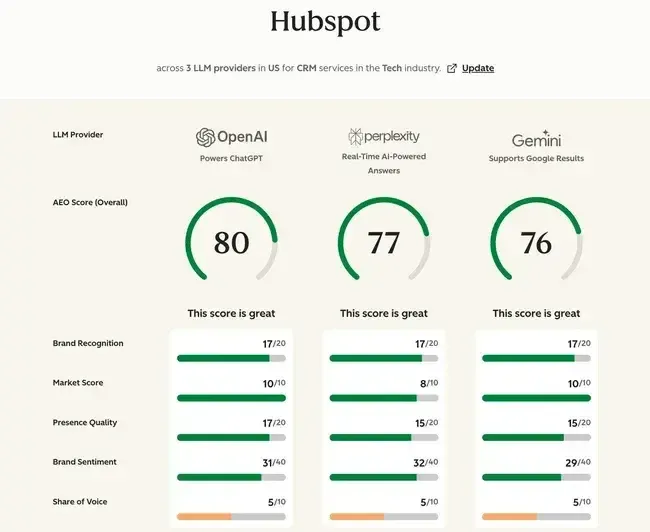
Social media serves as a massive amplifier for your best work. Sharing high-value research across social platforms puts it directly in front of influencers and journalists. This increased visibility leads to a ripple effect of organic mentions, shares, and high-quality editorial links.
Think of social media as the distribution engine for your off-page SEO strategies. When your content gains traction on platforms like LinkedIn, it generates valuable social signals. An article that is widely discussed is far more likely to be cited by writers looking for sources. This direct engagement significantly boosts your digital reputation building efforts.
The Power of Local SEO for Service-Based Growth
Local SEO remains an essential off-page strategy for regional service providers. Platforms like your Google Business Profile serve as critical trust hubs. Search algorithms use these hubs to verify your physical legitimacy and community standing. An active, well-managed profile provides a massive advantage in local map packs.
Effective local management requires ongoing attention. It involves:
- Consistent contact data across all directories.
- Regular updates that showcase your current work and expertise.
- Active client interaction to keep your profile dynamic.
These elements prove to search engines that your business remains active and reliable. They serve as fundamental off-page signals verifying your entity status within your geographic region.
Turning Reviews Into Trust Metrics
Online reviews provide tangible indicators of your brand’s trustworthiness. A strong correlation exists between authentic customer reviews and improved brand trust metrics. AI systems increasingly analyze review sentiment to determine the reliability of a business.
Consider how reviews impact your authority:
- Sentiment Analysis: AI models scan reviews to identify patterns, rewarding businesses with positive feedback.
- Social Proof: Prospective customers trust peer reviews heavily, which increases your conversion rate.
- Third-Party Validation: High ratings on industry directories act as external endorsements for your site.
Managing your reputation through proactive review responses shows that you value customer feedback. This engagement builds a stronger brand story. It helps search algorithms categorize your business as an authoritative leader in your niche.
Measuring Success: Metrics That Actually Move the Needle
Tracking the impact of your off-page SEO strategies requires looking beyond simple vanity metrics. High rankings feel great, but the true goal involves building a sustainable digital reputation. You must understand how your efforts translate into real business growth. Focus on unique referring domains, domain authority trends, brand mention sentiment, and organic traffic patterns.
Monitoring these metrics helps you identify which outreach campaigns generate real trust. A positive sentiment shift in brand mentions often precedes an increase in organic traffic. This shift indicates that your audience genuinely engages with your brand’s expertise.
Maintaining a Clean Backlink Profile
A healthy backlink profile forms the foundation of your SEO efforts. Accumulating low-quality or irrelevant links over time inadvertently signals that your content lacks necessary E-E-A-T signals. Regularly auditing your links keeps your site’s authority high and your search visibility stable.
| Audit Step | Objective | Action Required |
|---|---|---|
| Analyze Backlinks | Identification | Use a tool to export all incoming links. |
| Assess Quality | Risk Evaluation | Categorize links by domain authority. |
| Contact Webmasters | Removal | Request manual removal of toxic links first. |
| Submit Disavow | Final Mitigation | Use the Google Search Console Disavow Tool. |
Maintaining this proactive approach ensures your link profile remains a clean, authoritative asset. It prevents toxic links from acting as a liability that drags down your rankings.
Connecting Off-Page Efforts to Revenue
The best link building tactics must ultimately contribute to your bottom line. Connecting these efforts to business outcomes involves tracking how brand visibility influences user behavior. When authoritative publications link to your content, you gain highly relevant referral traffic.
Monitor your conversion rates for users arriving from external referral sources to measure true success. If those users spend more time on-site than average visitors, you have successfully applied your authority to drive revenue. Consistent off-page signals directly enhance your AI search visibility. Modern AI models rely heavily on these external trust markers to recommend your brand.
Your off-page SEO efforts represent the fundamental building blocks of your brand reputation. Engaging in consistent digital reputation building shapes how the world perceives your business. These external signals function as the essential evidence justifying your place in AI-generated answers.
Start intentionally building those external trust signals today. Reach out to partners, share your unique research, and foster authentic conversations within your community. Focusing on your long-term reputation ensures your brand becomes the trusted authority in your industry. The future of search heavily relies on external validation, and your brand’s voice deserves to be heard.
AEO/GEO
Want to learn more?
Contact us for direct consultation and support.