The Paradigm Shift: From Search Queries to Answer Engines
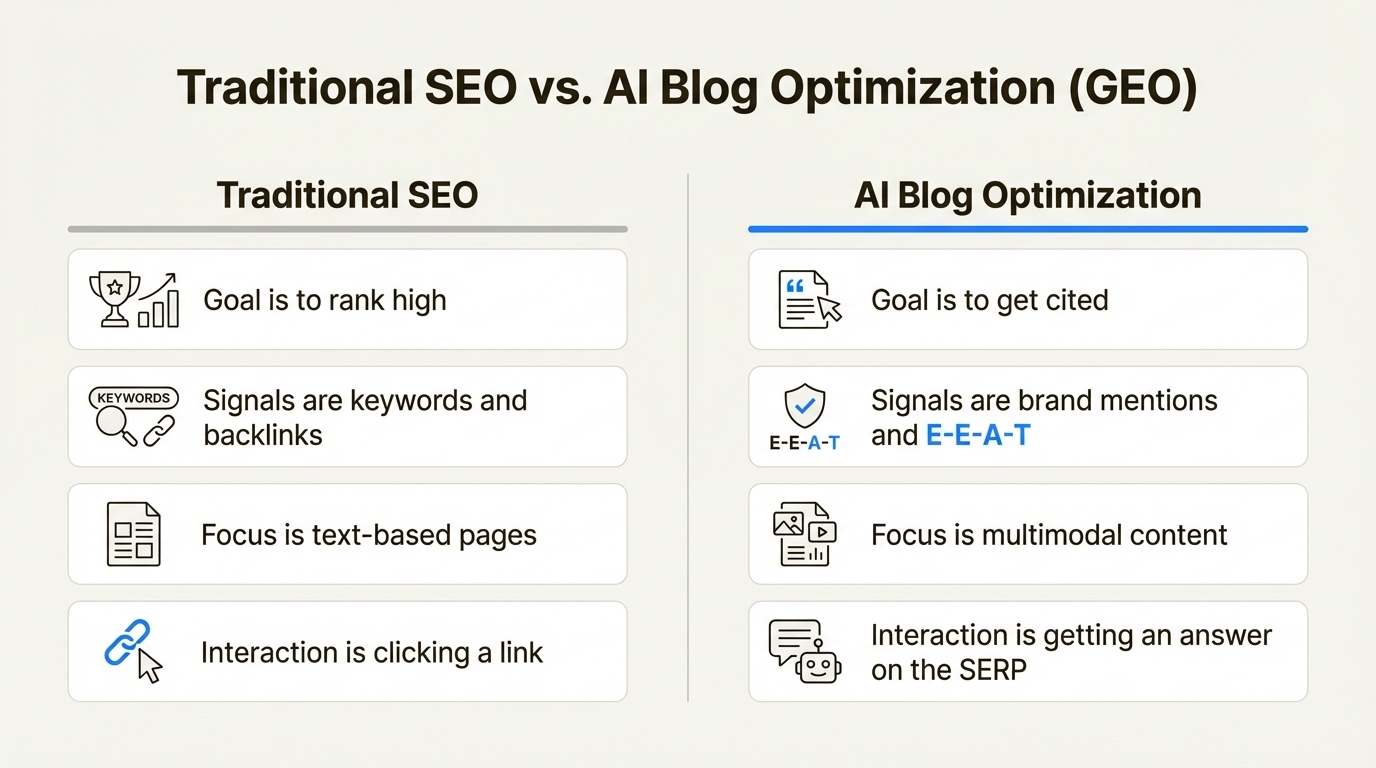
The digital landscape is undergoing a fundamental transformation. For decades, SEO success was defined by keyword density, backlink volume, and the elusive goal of ranking in the top ten blue links. Today, that model is effectively obsolete. Modern search has transitioned from a navigational aid into a generative knowledge engine. Users no longer want a list of URLs; they want synthesized, accurate answers delivered instantly.
This shift from keyword-based search to Generative Engine Optimization (GEO) requires a complete overhaul of how brands conceive of their online presence. In the era of LLM-driven search, traffic is no longer guaranteed by high search volumes. Instead, visibility is granted by an engine’s internal assessment of your brand’s topical authority and the precision with which you answer user queries. AEO/GEO Services allows organizations to bridge this gap, ensuring your content is engineered specifically to feed the neural networks powering these new answer ecosystems.
Core Pillars of Generative Engine Optimization (GEO)
GEO success hinges on three distinct pillars that prioritize AI readability over human-only engagement. To win in this environment, your strategy must move beyond SEO basics.
- Contextual Granularity: AI models parse content to understand concepts, not just keywords. Your content must break down complex subjects into definitive, modular facts that are easily indexable by models.
- Citation Readiness: Visibility in generative AI often manifests as a direct citation within a summary. Structuring your content to answer the “who, what, and how” of a topic makes your data the most likely candidate for an AI-generated source link.
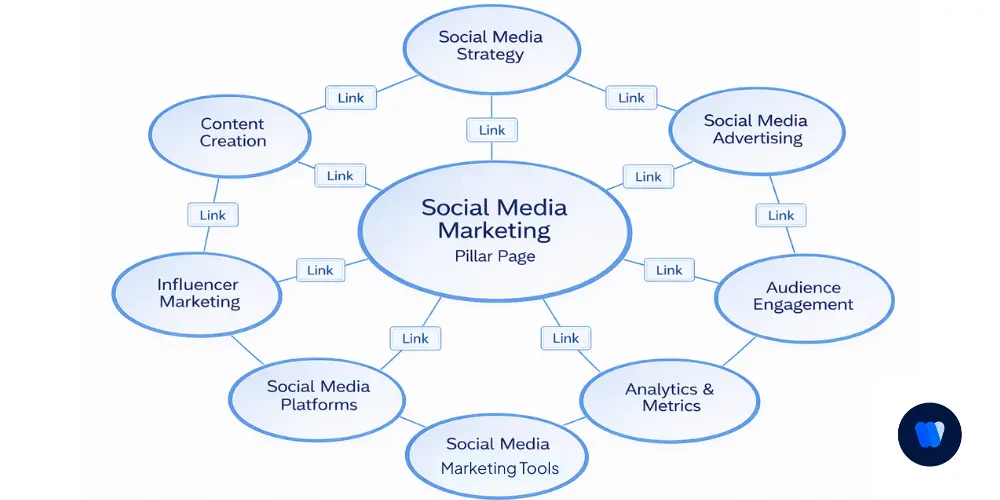
- Topical Authority Mapping: Engines prioritize depth. A thin post on a topic is easily bypassed in favor of comprehensive, interlinked knowledge hubs.
By leveraging AEO/GEO Services, teams can automate the production of structured, authoritative content that meets these rigorous requirements, turning your website into a trusted knowledge source for AI aggregators.

Strategic Architecture: Designing for AI Comprehension
Designing for AI comprehension requires a departure from traditional long-form narrative styles. Machines interpret information best when it is semantically organized. This means shifting your architecture toward logic-first formatting.
Modular Content Structures
Break content into bite-sized “knowledge blocks.” Each block should ideally address a specific question or concept. Use clear H2 and H3 headers that reflect common user questions. When AI systems crawl your pages, these headings serve as the anchor points for extracting relevant information.
Semantic Clarity and Data Density
Avoid fluff. AI models reward factual density. Use tables, lists, and clearly defined definitions within your body text to provide unambiguous answers.
- Identify the core questions users are asking about your industry.
- Map those questions directly to specific page sections.
- Use definitive language that affirms your brand’s stance on the topic.
AEO/GEO Services provides the infrastructure to scale these architectural patterns across thousands of pages, ensuring consistent performance regardless of content volume.
Maximizing Citation Probability and Authority Signals
If you are not being cited by an AI answer, you are invisible in the modern search journey. To maximize your citation probability, your content must present itself as the definitive expert.
The Role of Fact-Verification
AI models are trained to avoid hallucination, meaning they gravitate toward highly verifiable, objective data. Use primary research, data-heavy analysis, and industry-standard frameworks to bolster your claims.
Signal Consolidation
Authority is determined by the breadth of your knowledge on a subject. A single high-performing page is good, but a cluster of them is better. Link your content strategically to demonstrate how various subtopics relate to your core domain, creating a roadmap that AI models find easy to follow.
Operationalizing GEO at Scale: Automation and Distribution
Manual optimization for GEO is unsustainable. As generative engines evolve, your content must be refreshed and re-optimized to maintain relevance. This is where AI-driven automation becomes the most critical asset in your marketing stack.
AEO/GEO Services empowers teams to:
- Automate Content Refresh Cycles: Ensure your data is current and reflects the latest industry trends.
- Deploy at Scale: Optimize vast content libraries simultaneously to align with changing AI search parameters.
- Monitor Distribution: Track how your content is being processed and surfaced across different AI engines.
By operationalizing these processes, you free your team to focus on high-level strategy while the platform handles the technical heavy lifting required to remain visible in generative engines.
Measuring Success in an AI-First Ecosystem
Traditional metrics like click-through rate (CTR) and keyword rankings are increasingly unreliable indicators of success in an AI-first world. You must adopt new benchmarks to measure your effectiveness.
- Share of Generative Voice: How often does your brand appear in the AI-generated snippets of your target topics?
- Attribution Velocity: The speed at which your new content is indexed and cited by models.
- Knowledge Graph Integration: The extent to which your brand entities are accurately associated with your core industry topics.
Mastering AI Content Strategy for the AI Era requires moving away from the vanity metrics of the past and embracing the data-driven reality of the future. By partnering with AEO/GEO Services, you can ensure your brand stays at the forefront of the generative revolution. To start optimizing your visibility, visit AEO/GEO Services.