Competitive Intent Analysis: Master AI Search Optimization
Many brands spend hours obsessing over their dashboards, tracking keyword rankings and vanity metrics while wondering why they lose top spots in AI-driven results. It is a common frustration: you follow standard best practices, yet a competitor appears in every AI summary and voice-assisted answer. The truth is simple: the goalposts have shifted. Modern search engines are no longer just indexing static pages; they are interpreting complex human needs and delivering synthesized answers.
If you want to know how to optimize for AI search engines, you must stop looking at your data in a vacuum and start analyzing why your rivals are winning the conversation. This process requires moving beyond basic rank tracking and adopting a strategy of competitive intent analysis. By uncovering the specific gaps your competitors fill, you can pivot your content to better meet user expectations and ensure your brand becomes the primary source of truth.
Why Traditional Search Metrics Fail in the AI Era
For years, we have chased specific markers: search volume, backlink counts, and domain authority scores. While these remain relevant, they are increasingly secondary. In the age of generative search, these metrics act like a rearview mirror—they tell you where you have been, but they provide little insight into why a competitor dominates AI-generated summaries.
The Shift Toward Semantic Intent
AI search engines, such as those powering Google’s AI Overviews or Perplexity, function differently than traditional index-based crawlers. They do not just match keywords; they decode semantic intent. When a user asks a nuanced question, the engine evaluates the context, the depth of available answers, and overall source authority. If your strategy relies solely on keyword volume, you are competing in an outdated arena. You might rank for a high-volume term, but if your content fails to align with the underlying intent, the AI will bypass your page.
Uncovering Intent Gaps
This leads us to the concept of intent gap mapping. An intent gap occurs when your content fails to satisfy the specific profile of a search query while a competitor’s content hits the mark perfectly. These gaps are often hidden because your traffic might seem stable on traditional tools. Finding these gaps requires looking at the queries your competitors answer that you do not, or identifying where their answers are perceived by AI as more factual or comprehensive.
Metrics Comparison: Old vs. New
The following table highlights the core differences between legacy metrics and modern AI requirements:
| Feature | Traditional SEO Metric | AI Search Metric |
|---|---|---|
| Primary Focus | Raw Keyword Volume | Semantic Intent Alignment |
| Authority Driver | Backlink Quantity | Source Expertise & Trust |
| Success Indicator | Click-Through Rate (CTR) | Answer Relevance/Citation |
| Content Style | Keyword-Optimized Pages | Concise, Factual, Actionable |
| Ranking Factor | External Domain Links | Information Density & Clarity |
Identifying Competitor Intent Gaps Using AI Tools
To effectively compete, you must identify where your rivals provide answers that your content currently ignores. Competitive intent analysis requires a blend of research platforms and automation to uncover hidden opportunities.
Finding Gaps with SEMrush
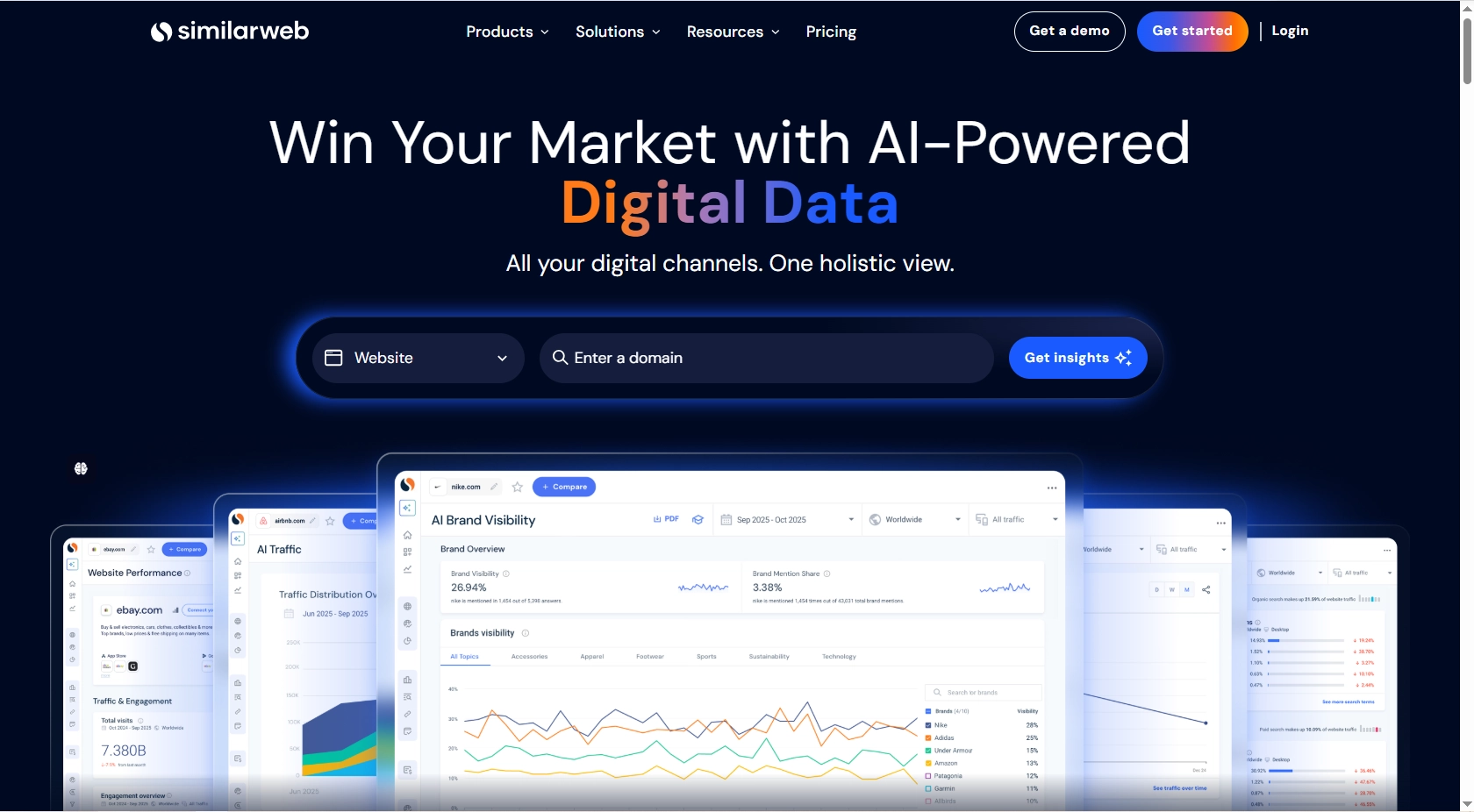
Tools like SEMrush have evolved to support deeper discovery. Use the Keyword Gap tool to compare your domain against your top three competitors. Filter by keywords where your competitors rank but you do not. Follow this up with the Topic Research tool to see a map of sub-questions and themes your competitors are currently addressing. This allows you to identify specific questions your audience is asking but your site fails to answer.
Mapping Traffic with SimilarWeb
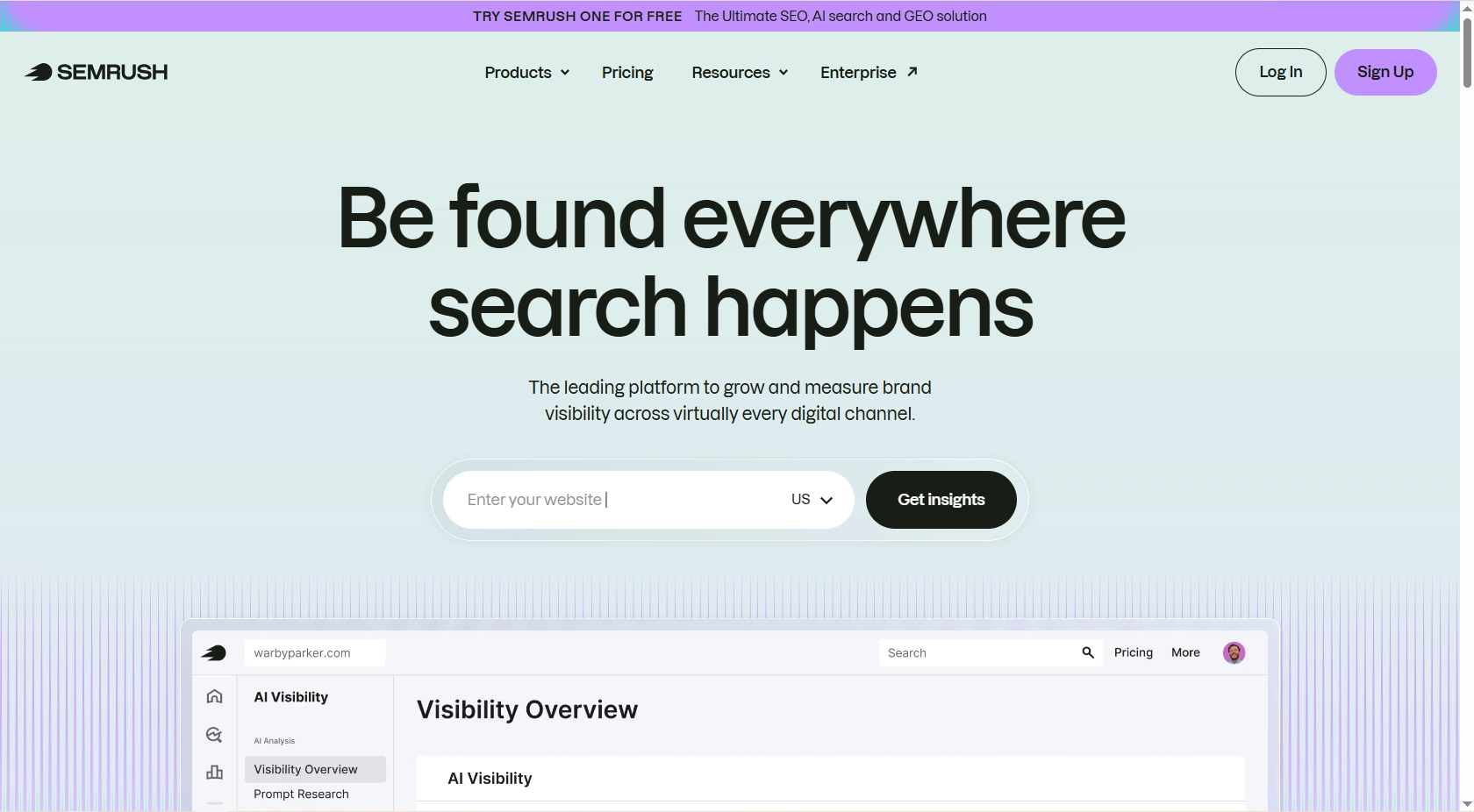
SimilarWeb provides the missing link between traffic and intent. By analyzing a competitor’s high-traffic pages, you can map their referral sources back to the high-intent queries that drive them. If a competitor dominates a specific long-tail query, examine their landing page structure to understand why AI engines perceive their content as the definitive source.
Monitoring Competitor Cadence
To stay ahead, track how often your competitors update their content. Using AI automation tools like Browse AI, you can set up monitors on competitor blogs or FAQ pages. This enables you to identify new topics they cover, extract primary themes using LLMs, and pivot your own content calendar before they capture more intent share.
Assessing Your Content for AI Overviews
Use this checklist to determine if your pages are ready for AI search engines:
- Fact-Based Directness: Does your page start with a clear, concise summary answer?
- Entity Density: Have you clearly defined the subject and related entities using schema markup?
- Source Authority: Is your content supported by proprietary data or high-quality citations?
- Contextual Depth: Does the page address logical follow-up questions?
Translating Competitor Intelligence into Your Content Strategy
Once you have mapped your competitor’s content weaknesses, turn those findings into a high-performance content plan. AI search engines thrive on clarity and structure, so simply writing more content is not the solution.
The Skyscraper 2.0 Technique
For AI search optimization, we take the original Skyscraper technique a step further by focusing on answer quality. When you find a competitor’s high-ranking AI answer, use this approach:
- Identify the specific sub-questions the AI snippet answers.
- Add proprietary data, unique industry research, or specific case studies that the competitor lacks.
- Format your content into clear, logical hierarchies—using H2 and H3 tags—that allow LLMs to ingest your expertise.
Intent-Based Content Brief Template
Standard briefs often focus on keywords, but an intent-based content brief focuses on the user’s ultimate goal. Use this structure to challenge competitor visibility:
| Section | Purpose | Strategy |
|---|---|---|
| Core Intent | Define the Why | What problem is the user trying to solve? |
| Answer Hook | Direct Response | Define the topic in one clear sentence. |
| Data Evidence | Authority Build | What stats or facts prove your claim? |
| Entity List | Contextual Depth | List 5 related concepts to map. |
| Gap Filler | Unique Value | How is this better than the current #1? |
Scaling Your Competitive Edge with Automated Monitoring
Stagnation is the enemy of search visibility. To learn how to optimize for AI search engines, implement automated monitoring agents that act as a digital surveillance team. These agents track shifts in competitor intent by scanning for page updates, changes in factual claims, and new structure implementations.
Why Real-Time Pivoting Matters
When a competitor updates their content to satisfy a high-intent query, AI engines often re-index that information quickly. By receiving real-time notifications, you gain the agility to respond. This allows you to perform competitive intent analysis before the search engine fully cements that competitor as the authority.
Top AI Competitive Intelligence Tools
| Tool Name | Core Role in Monitoring | Best For |
|---|---|---|
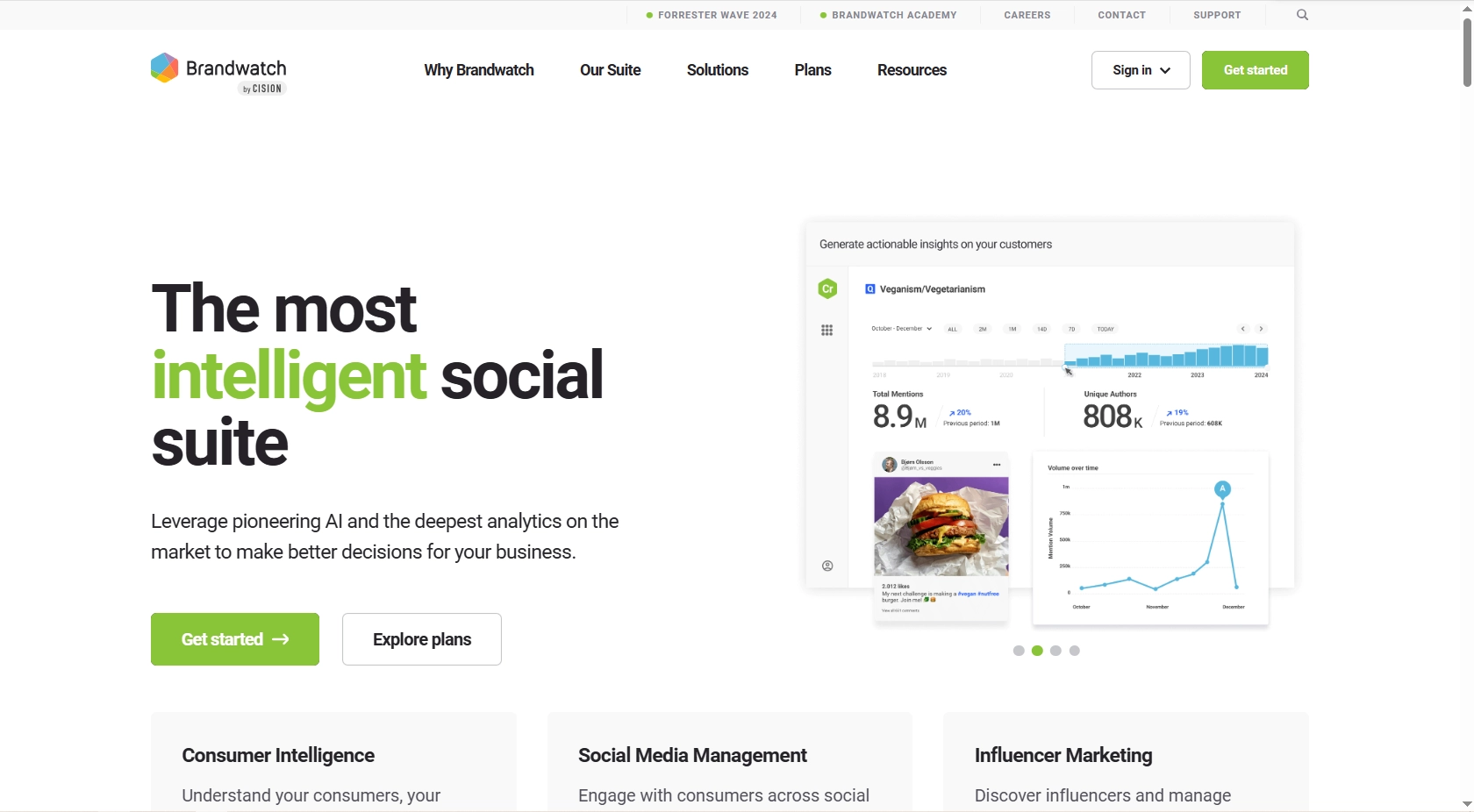
| Brandwatch | Social listening and sentiment analysis | Tracking public conversation trends |
| Browse AI | Automating visual page monitoring | Detecting site element updates |
| SimilarWeb | Mapping traffic sources | Understanding high-intent query paths |
| Semrush | Tracking keyword gap fluctuations | Identifying organic visibility gaps |
| Perplexity Pages | Aggregating AI-ready answers | Researching competitor positioning |
Winning in the era of generative search is about intelligence-driven execution. By knowing exactly what intent your audience has and how your rivals are meeting that need, you gain a clear, defensible path to the top. Start your next cycle of analysis today, and turn the complexity of AI search into your brand’s greatest asset.
AEO/GEO
Want to learn more?
Contact us for direct consultation and support.