How to Choose a Consultant for AI-Native Content Strategy
The search landscape has fundamentally changed. If your content strategy is still built on traditional SEO tactics—chasing keyword density and backlink volume—you are effectively invisible to the AI engines that power modern search. To win, you need an AI-native approach, and that often starts with finding the right guide.
Why AI-Native Content Strategy Requires a New Breed of Expertise
“AI-native” isn’t just about using a chatbot to write blog posts. It’s a systemic shift in how content is researched, produced, and optimized for generative search engines (like ChatGPT, Gemini, or Perplexity).
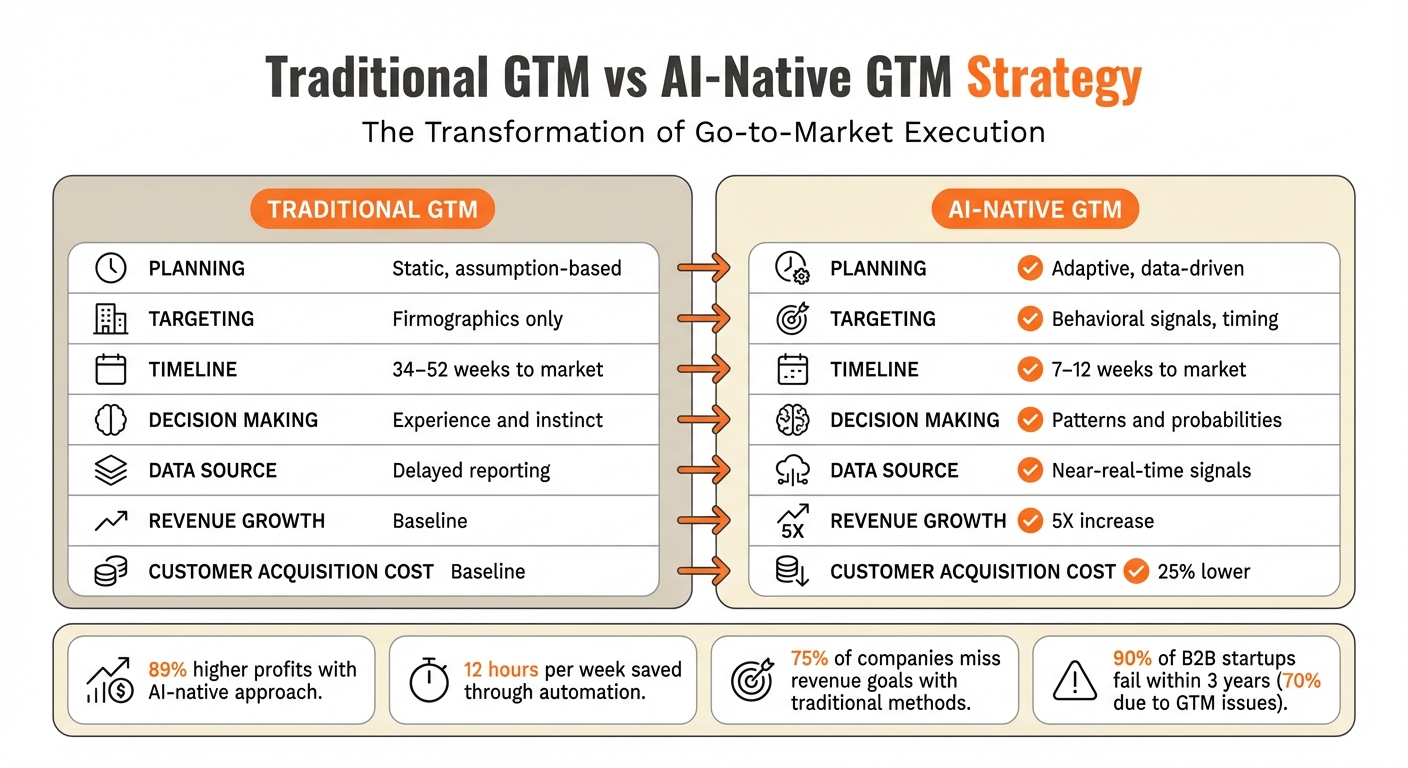
Traditional SEO focuses on tricking a crawler to rank a link. AI-native strategy focuses on becoming the definitive source of truth that an LLM cites in its answer. The risk of clinging to legacy strategies is simple: your content may technically exist, but it will never reach the AI-driven “answers” that now occupy the most valuable real estate in search. Internal teams often struggle here because they are trained in SEO legacy, not the nuances of semantic search, knowledge graphs, and algorithmic authority.
The Essential Skills to Look for in an AI Content Consultant
Finding a consultant who understands this shift is critical. You don’t need a “content marketer” in the traditional sense; you need a strategic hybrid. Look for these core competencies:
- Technical Literacy: They should speak the language of prompt engineering, data-backed content loops, and how LLMs prioritize data.
- Strategy over Automation: Avoid anyone who focuses solely on “high-volume, low-cost” AI output. You need a partner who prioritizes your brand voice, proprietary insights, and unique authority.
- The Creative-Algorithmic Blend: They must be able to weave compelling human storytelling with the rigid requirements of algorithmic optimization.
A Step-by-Step Guide to Evaluating Potential AI Strategy Partners
When vetting candidates, look past the buzzwords. Here is how to conduct an effective interview:
- Spot the Red Flags: Be wary of consultants who promise “instant rankings” or focus only on keyword volume. If they don’t ask about your brand’s knowledge graph or source data, walk away.
- Ask the Right Questions: Ask: “How do you optimize for zero-click search?” and “How do we ensure our brand is cited as a source in generative AI summaries?” Their answers should focus on authority and relevance, not clicks.
- Evaluate Real-World Results: Ask for case studies that demonstrate measurable visibility shifts in AI answer engines, not just legacy traffic metrics.
Building Your AI-Native Roadmap: What a Consultant Should Deliver First
A great consultant shouldn’t just write content for you; they should build your infrastructure. Your first phase of engagement should focus on:
- Knowledge Graph Foundation: Structuring your brand’s unique expertise so AI can easily consume and verify it.
- Scalable Feedback Loops: Setting up systems where your human subject matter experts verify AI drafts, creating a cycle that constantly improves quality.
- Future-Proof KPIs: Moving away from vanity metrics (clicks) to focus on brand authority and citation frequency in AI responses.
From Fragmented Content to an AI-Native Advantage
The leap to an AI-native strategy can feel daunting, but you don’t have to overhaul everything at once. Starting small with a focused expert can yield disproportionate long-term gains. By modernizing your approach now, you aren’t just chasing the latest trend—you are future-proofing your brand’s visibility in an era where AI dictates the search results.
Investing in the right expertise today ensures that when your customers ask a question, the AI chooses your brand as the answer.
AEO/GEO
Want to learn more?
Contact us for direct consultation and support.