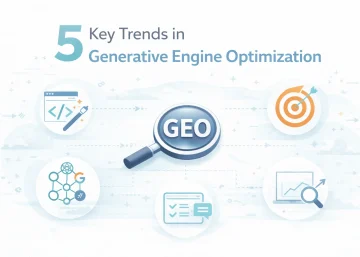
The digital landscape is undergoing a fundamental shift. We are moving away from an era of blue-link lists toward a paradigm of direct, synthesized answers. This transition marks the end of traditional search engine optimization and the dawn of Generative Engine Optimization (GEO).

The GEO Paradigm: Transitioning from Traditional SEO to AI-Driven Presence
In the new generative ecosystem, success is no longer about securing a specific rank on a page. Instead, it is about becoming the verified “ground truth” that AI models use to construct answers.
To navigate this change, brands must distinguish between two critical concepts:
- Presence: The frequency with which your brand is included within the generated answer.
- Position: The authority, sentiment, and contextual relevance associated with your brand when it appears.
Generative engines disrupt the traditional customer journey by providing immediate solutions, often bypassing the need to click through to a website. By mastering GEO, brands proactively influence these summaries, ensuring their value propositions reach users at the point of decision.
Strategy 1: Building an AI-Ready Content Architecture through Topic Clusters
AI models favor structured, authoritative hubs of information. To succeed, you must move beyond isolated, keyword-stuffed pages.
The Role of Pillar Pages
Your content architecture should be organized into topic clusters. These are interconnected semantic hubs where a central “pillar page” provides a comprehensive overview, supported by sub-topic pages that dive into specific details. This structure provides a clear, logical map for LLMs to crawl and categorize your expertise.
When your content is structured as a cohesive knowledge web, you provide the “ground truth” that AI models require. This reduces the likelihood of the engine hallucinating about your offerings because the context is explicitly defined and semantically linked.

Strategy 2: Calibrating Your Entity Profile for Multi-Engine Consistency
Technical entity management is the engine room of your visibility strategy. It involves much more than basic schema markup.
- Entity Hardening: Beyond standard JSON-LD, focus on linking your brand to verified, high-authority external sources. This creates a cross-verified “knowledge graph” that AI models trust.
- Cross-Platform Syncing: Ensure your brand identity—mission, services, leadership—is consistent across your domain, Wikipedia, LinkedIn, and other authoritative platforms. Discrepancies here are major contributors to AI hallucination.
- Internal Consistency: Rigorously manage your internal data to ensure that every page on your site reinforces, rather than contradicts, your core entity definition.
Strategy 3: Leveraging Third-Party Authority Signals (YouTube, Reddit, and Beyond)
Generative engines do not rely solely on your primary domain. They aggregate data from across the web, placing significant weight on community-driven platforms.
By participating in discussions on Reddit, maintaining a video presence on YouTube, and fostering engagement on industry-specific forums, you contribute to your brand’s “knowledge profile.” These third-party signals serve as social proof, reinforcing the legitimacy of your primary domain and providing the model with diverse perspectives that build a more robust, authoritative representation of your brand.
Strategy 4: Prompt and Intent Mapping for Generative Visibility
Traditional searchers use keywords; AI users use queries and prompts. To win, you must align your content with how LLM users interact with technology.
- Analyze AI Query Patterns: Identify the natural language questions your target audience asks AI tools about your industry.
- Develop Answer-First Snippets: Structure your content to provide immediate, concise answers to these questions within the first few sentences.
- Map Intent: Tailor your messaging to address the “why” and “how” behind user queries, positioning your brand as the expert solution provider within the AI summary.
Strategy 5: Continuous Surveillance and Benchmarking for AI Mentions
GEO is not a static project; it is an iterative optimization cycle.
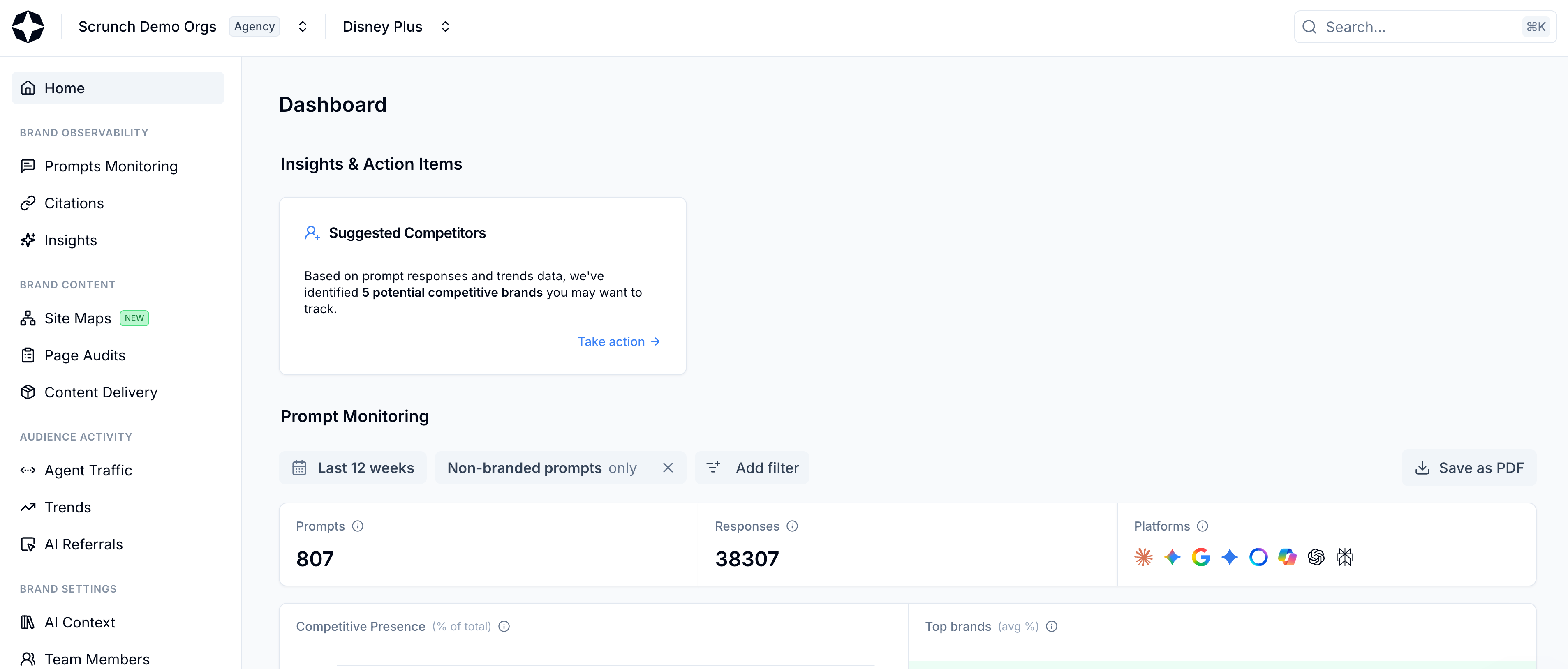
- Move Beyond Alerts: Transition from simple brand-mention alerts to tracking your “presence rate” across multiple generative engines.
- Competitive Benchmarking: Actively monitor where your competitors appear in AI summaries and identify the “presence gaps” you can claim.
- Iterative Optimization: AI models update frequently. Establish an optimization loop where you monitor model shifts and refine your content, schema, and entity signals to maintain your authoritative standing.