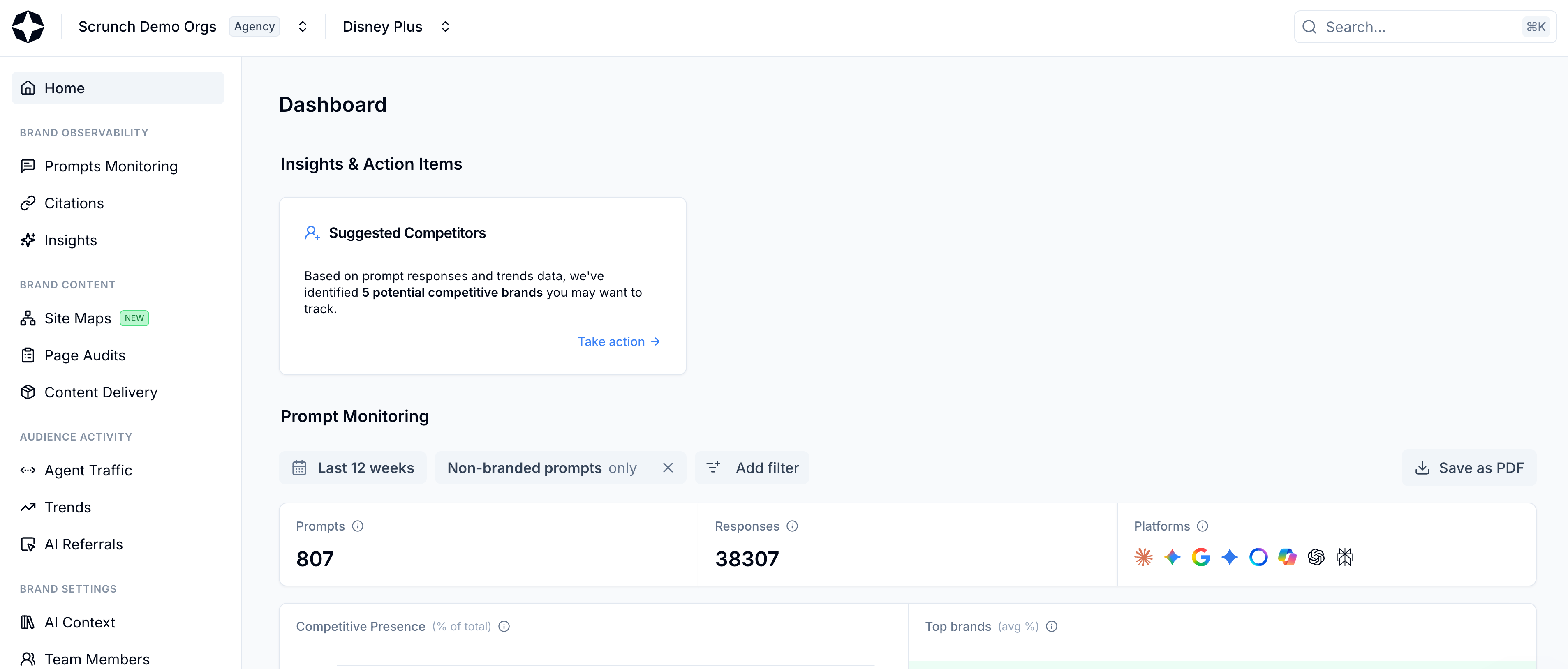
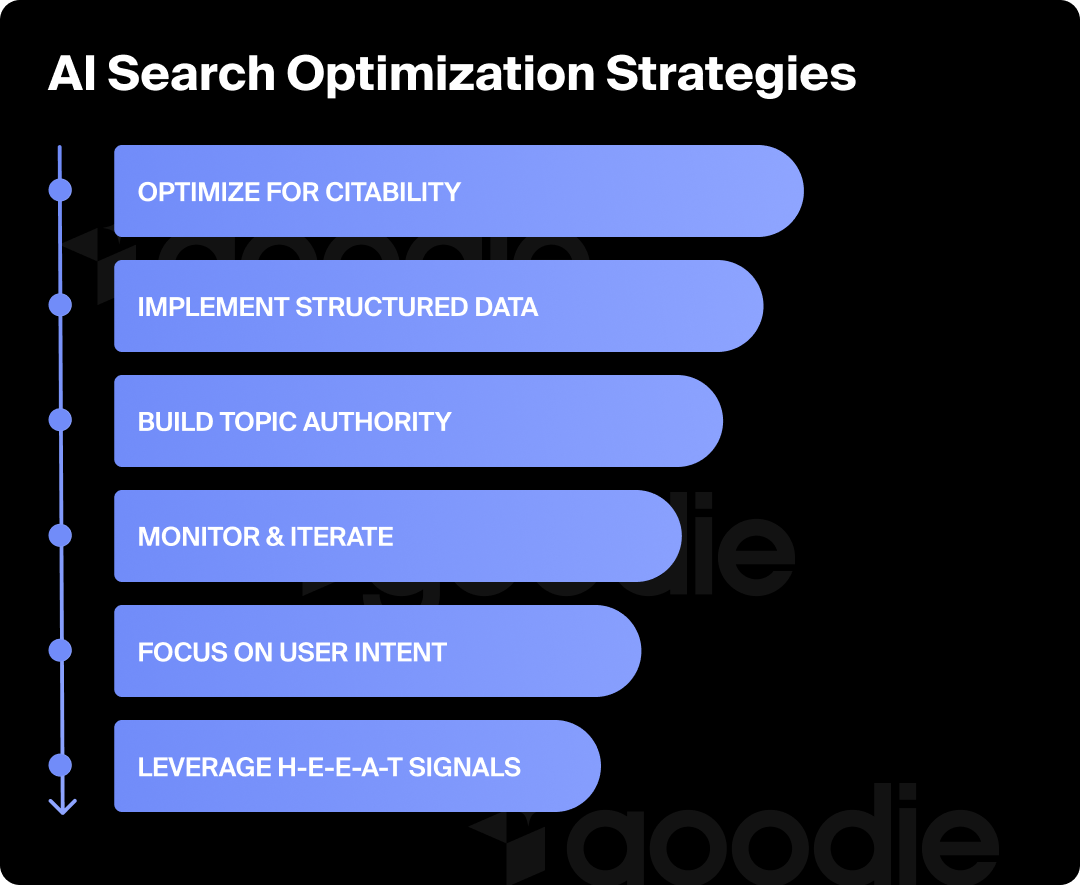
The rapid evolution of search towards generative AI has rendered traditional SEO metrics obsolete. As LLMs become the primary interface for information retrieval, the new currency of brand success is AI visibility—the extent to which your brand is cited as a trusted authority within AI-generated responses. For growth-focused organizations, managing this visibility requires moving beyond manual tracking and adopting a sophisticated, data-driven tech stack tailored for Generative Search Optimization (GEO).
Defining the AI Visibility Lifecycle: From Discovery to Conversion
To capture value in the AI era, teams must distinguish between legacy SEO—optimized for blue links—and GEO, which is optimized for model synthesis. The AI visibility lifecycle operates in three distinct stages:
- Ingestion: The process by which AI models crawl and weight your content against industry entities.
- Analysis: Evaluating how frequently and in what context your brand surfaces during LLM inference.
- Attribution: Closing the loop by connecting AI-generated citations to actual brand authority and conversion.
This shift necessitates a transition from passive rank tracking to active AI brand monitoring, ensuring your content is architected to be the definitive source of truth for the algorithms powering platforms like Perplexity, ChatGPT, and Gemini.
The Evaluation Framework: Essential Criteria for AI Monitoring Tools
Selecting the right technology for your GEO stack requires a rigorous focus on technical capabilities. Generic reporting tools often fail to capture the nuances of non-deterministic AI outputs. Your evaluation should prioritize these pillars:
- Model Coverage: A platform must monitor diverse ecosystems. If your tool only tracks Google AI Overviews, you are ignoring significant traffic segments on specialized platforms like Claude or Perplexity.
- Data Accuracy & Refresh Rates: Unlike static web crawls, AI model training and context windows change rapidly. Your tool must offer near real-time ingestion to capture shifts in citation patterns.
- Integration Capability: Seek platforms offering robust API access. Automated pipelines allow your monitoring data to flow directly into content creation systems, creating an automated feedback loop that updates assets based on current AI citation trends.
Comparative Analysis: Tool Categories for AI Brand Mentions
When building your stack, you will encounter two primary tiers of solutions:
- Enterprise GEO Platforms: Designed for scale and deep API integration. These platforms act as a central nervous system for your content strategy, offering advanced attribution and multi-model benchmarking. They are the standard for organizations treating AI visibility as a core growth lever.
- Agile Reporting Tools: Often suited for SMBs, these offer simpler dashboards focused on surface-level mention frequency. While lower cost, they often lack the deep-data fidelity required for complex attribution modeling.
General-purpose SEO tools attempting to pivot into AI visibility often fall into the “performance gap” trap—they rebrand traditional keyword tracking without accounting for the semantic synthesis inherent in modern LLMs. Specialized GEO platforms are non-negotiable for companies that require precise insight into how their brand is being represented in high-intent queries.
Building Your Decision Matrix: Choosing the Right Stack for Your Growth Stage
To identify the right tool, build a weighted scoring system based on your internal requirements. Ask the following questions to assess your current solution’s health:
- Cost-to-Value Ratio: Are you paying for “vanity” metrics (rank), or for actionable intelligence that informs content production?
- Technical Debt: Does your current solution rely on manual data export, or is it automated via API?
- Signal Failure: Are your current dashboards capturing a decline in brand mentions while traffic remains stable? This is a primary indicator of “AI-drift,” where your brand is losing authority in automated summaries.
Strategic Implementation: Integrating Analytics into Content Automation Workflows
Visibility monitoring is only effective when it triggers action. A high-performance stack integrates data directly into your content automation workflow. By creating a real-time publishing cadence, you ensure that as soon as a gap in your AI citation profile is identified, your platform triggers a content refresh or a new asset creation.
Closing the loop—from monitoring to creation—is the defining characteristic of brands that achieve dominance in generative search. By automating these feedback loops, your team moves from reacting to algorithmic changes to proactively shaping the model training data that defines your industry.