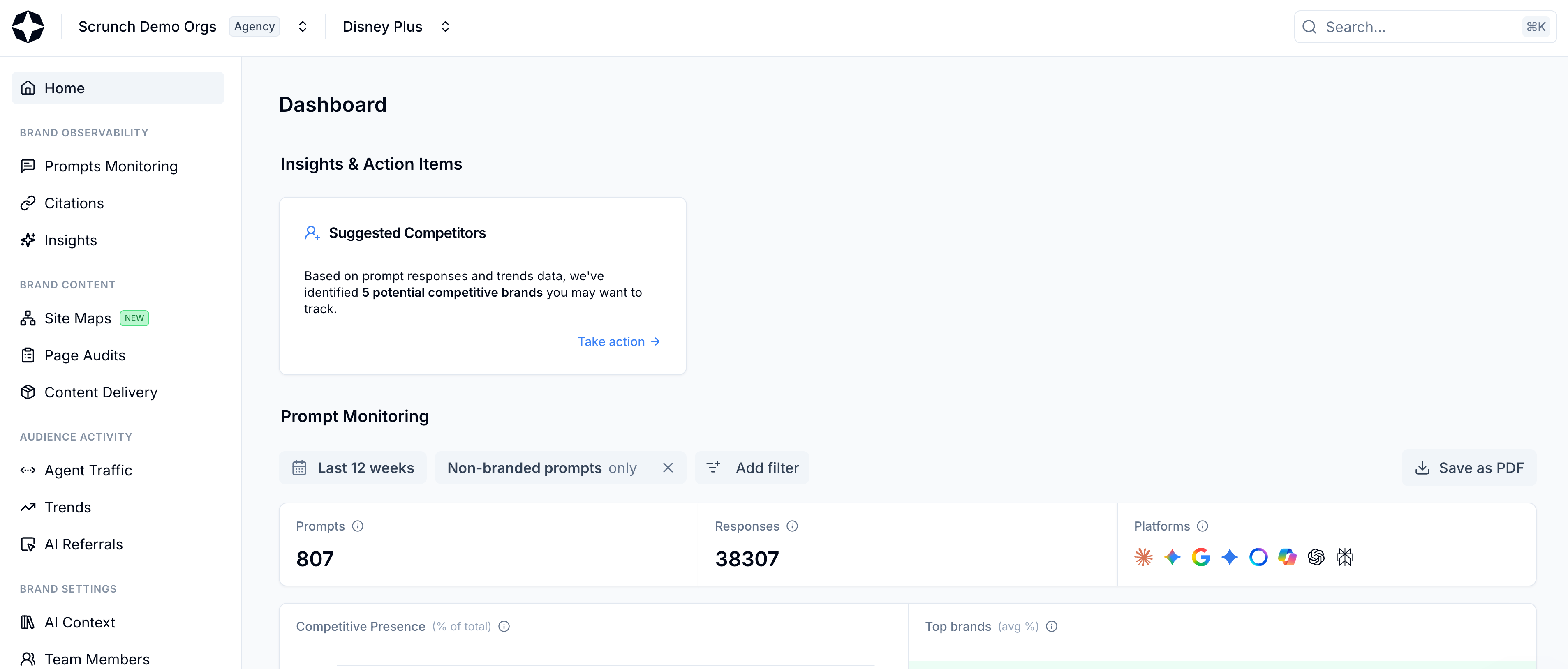
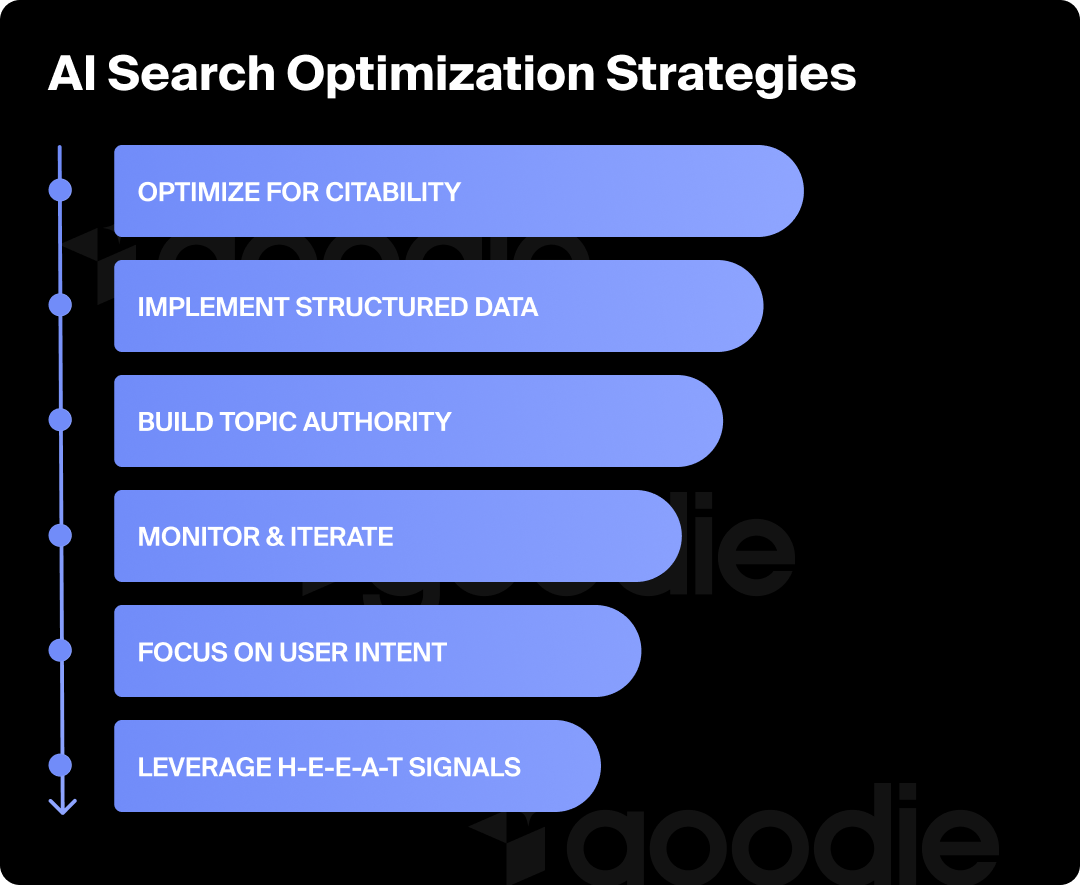
Managing brand visibility in the age of generative search requires moving beyond traditional SEO into a structured, repeatable operational workflow. To secure a consistent presence in AI-generated answers, brands must treat their footprint as a data management task rather than a passive byproduct of web traffic.

The Anatomy of AI-Driven Brand Presence: Platform-Specific Realities
Brand authority is not a singular metric; it is highly dependent on the model’s internal weighting and the specific interface through which the user interacts.
- Perplexity: Operates as a citation-heavy engine. Visibility here correlates strongly with high-authority, indexable content that directly answers query intent.
- ChatGPT: Prioritizes conversational flow and synthesis. It favors brands that have consistent, well-structured entity relationships across the web.
- Gemini: Deeply integrated with Google’s ecosystem. It relies heavily on both traditional search signals and real-time data ingestion.
Because these models weigh sources differently, you cannot assume a “one-size-fits-all” approach. Visibility must be assessed via query-based attribution—testing how specific models synthesize information about your products compared to your competitors.
Building Your Audit Workflow: Manual vs. Automated Methodologies
To maintain control, establish a routine that balances rigorous manual testing with data-driven automation.
Manual Benchmarking Steps
- Selection: Curate a list of 20–30 “Gold Standard” queries. These should be high-intent questions potential customers ask that relate directly to your core solutions.
- Execution: Run these queries across ChatGPT, Perplexity, and Gemini at consistent intervals (e.g., weekly).
- Documentation: Score the output on a scale of 1–5 based on:
- Presence: Was the brand mentioned?
- Accuracy: Was the context correct?
- Sentiment: Was the association neutral or positive?

Operationalizing Mentions: The Tooling and Implementation Stack
For teams scaling beyond manual spot-checks, the implementation stack must bridge the gap between AI output and content strategy.
- Tooling Selection: When choosing between custom internal audit systems and specialized AI tracking software, prioritize platforms that offer API-level access to search logs and historical citation tracking.
- Logging Mechanisms: Automate your baseline queries using scripts that capture raw JSON responses from LLM APIs. This allows for objective analysis of how your brand is being described over time.
- Actionable Feedback: Translate the frequency of mentions into a content distribution roadmap. If an audit reveals a gap in how a specific model describes your service, prioritize updating your “About” or “Product” pages to include concise, fact-dense clarifications.
From Data to Action: Refining Content for AI Visibility Benchmarks
AI models are trained on accessible, structured data. To improve your visibility, focus on making your brand an easy-to-reference entity.
- Entity Optimization: Ensure your brand name, core offerings, and USP are consistently formatted across all owned digital properties.
- Source Attribution: LLMs favor content that acts as a primary source. Produce white papers, technical specs, and verified research to become the “ground truth” the model references.
- Cyclical Production: Use audit findings to inform your next content production sprint. If a model consistently ignores your brand for a specific query, create a new asset specifically addressing that query gap.
Operational Troubleshooting: Common AI Visibility Bottlenecks
Even mature brands hit roadblocks. Use these diagnostics to stay proactive:
- The ‘Zero Mention’ Diagnostic: If you are absent from responses, check your indexability. Are your landing pages blocking crawlers? Is your content too thin for the model to synthesize?
- Hallucination Management: If a model reports incorrect sentiment or data, do not wait for the algorithm to “fix itself.” Overwrite the inaccuracy by publishing updated, verified content on high-authority pages and ensuring your structured data schema is up to date.
- Scaling Efficiency: Do not attempt to monitor everything. Focus your human resources on the 20% of queries that correlate with 80% of your potential customer intent.