Scalable Generative AI Content Systems for Enterprises
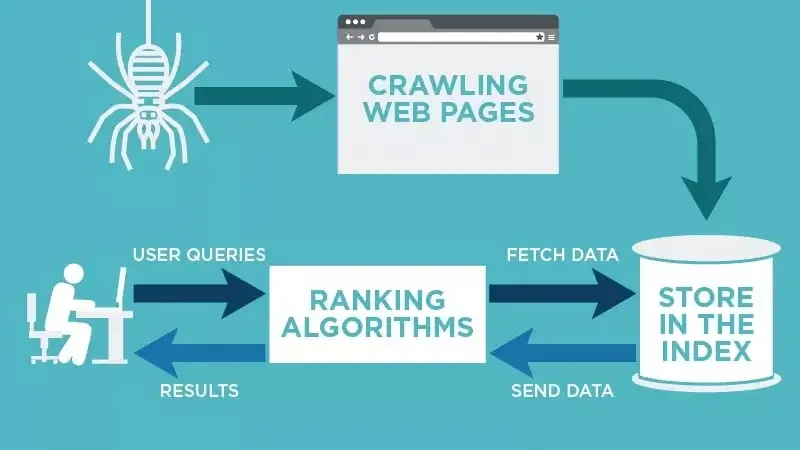
Traditional content management systems are struggling to keep pace with the era of AI-driven search, leaving many organizations disconnected from the answer engines that now shape customer intent. While legacy platforms focus on static page rendering and link-based indexing, the modern digital landscape demands scalable generative AI content systems capable of meeting the requirements of Large Language Models. These models do not simply scan for keywords; they synthesize, cite, and evaluate information based on structure, E-E-A-T signals, and machine-readable clarity.

Modern enterprises must move beyond simple content generation toward high-volume, AI-ready pipelines that prioritize factual precision and semantic architecture. Transitioning to tools for scalable AI-ready content is a fundamental shift in how brands maintain authority and visibility. By treating every piece of content as a data point for AI citation, organizations can ensure their expertise remains the primary source for automated discovery. This guide evaluates the essential enterprise-grade platforms designed to optimize, scale, and govern content, providing a blueprint for securing your position as a trusted source in the ecosystem of generative AI search.
Defining the Enterprise AI-Ready Content Stack
AI-ready content is information structured specifically to be parsed, synthesized, and cited by Large Language Models and answer engines. Unlike traditional content optimized solely for human readability, AI-ready content prioritizes machine-readable semantics, factual clarity, and explicit structural signals. By aligning digital assets with these machine-first requirements, brands increase the likelihood of direct citations in generative search results.
The transition toward scalable generative AI content systems requires a departure from legacy content management workflows that rely on visual-first editing. Modern enterprises shift to automated workflows that bake structured data, such as Schema.org markup, directly into the publishing pipeline. This ensures that every piece of content is accompanied by metadata defining its relationship to core entities within an organizational knowledge graph.
Architectural Foundations for AI Accessibility
To achieve precision, content architecture must embrace “Render Readiness.” This concept dictates that the core information of a page must exist in the raw HTML delivered by the server, rather than relying on complex JavaScript execution to inject critical text. When LLM fetchers and crawlers encounter content requiring heavy client-side rendering, they may fail to capture the full context, leading to incomplete indexing and diminished citation frequency.
When evaluating tools for scalable AI-ready content, consider the following comparison:
| Feature | Traditional CMS Platform | AI-Optimized Content Engine |
|---|---|---|
| Semantic Structure | Basic HTML headings | Full schema integration (JSON-LD) |
| Crawler Accessibility | JavaScript dependency | Server-side render readiness |
| Metadata Generation | Manual and inconsistent | Automated and entity-aligned |
| E-E-A-T Signaling | Embedded loose elements | Programmatic, verified profiles |
| Content Workflow | Fragmented, human-only | Automated, model-friendly pipelines |
Integrating E-E-A-T and Governance
Beyond technical structure, AI-ready stacks must incorporate explicit E-E-A-T signals. Since models prioritize reliable information, your architecture should facilitate the automatic linking of content to verified authors, credentials, and original data sources. This shifts strategy from SEO, which chases link equity, toward Answer Engine Optimization (AEO), which provides the precise information models need to verify and cite your brand.
Core Capabilities for Scaling Content Production
Scaling production requires the architectural integrity to remain visible within AI-driven search environments. To build scalable generative AI content systems, organizations must adopt platforms that treat machine readability as a primary objective.
Essential Infrastructure for AI-Readiness
The foundation of scalable output relies on technical automation bridging the gap between raw data and indexable content. When evaluating tools for scalable AI-ready content, look for systems that natively handle:
- Automated Topic Cluster Creation: Orchestrating thematic authority by linking pillar pages to sub-pages.
- Bulk Schema.org Implementation: Automated, high-volume injection of JSON-LD—such as FAQPage and HowTo schemas—directly into the page head.
- Multi-language Support: Maintaining consistent structure and metadata across different regional assets.
Governance and Compliance in AI Workflows
Automated production introduces risks regarding brand accuracy and compliance. A robust enterprise AI strategy mandates strict content governance to protect the brand entity. Key features include automated compliance checks to flag sensitive data, style-guide constraints for voice enforcement, and version control for generative assets to maintain an audit trail.
Data-Driven Authority via Integration
Generic language models rely on broad, potentially outdated data. By integrating your AI content platform directly with internal data lakes, you move from generic generation to a specialized AI-ready architecture. This enables “grounding,” forcing the system to reference verified internal brand knowledge rather than general internet data.
Evaluating Tools for AI Governance and Accuracy
Enterprise organizations deploying scalable generative AI content systems must prioritize mechanisms that minimize hallucination risk. The core of this strategy is Retrieval-Augmented Generation (RAG), a framework that forces language models to ground their outputs in a verified internal knowledge base.
Security and Compliance for Large-Scale Deployment
When selecting tools for scalable AI-ready content, security is a baseline requirement. Modern platforms must support granular role-based access control, ensuring only authorized personnel influence the content sources used by AI models. Key governance requirements include data residency compliance, comprehensive audit logging of model interactions, and automated PII redaction.
Strategic Implementation for Visibility
Achieving consistent visibility in the era of generative search requires adopting an “answer-first” editorial standard. Every key section should open with a concise, 40–60 word summary that serves as a standalone unit of knowledge. This allows models to extract and cite your information directly.
Measuring Success via AI-Specific Metrics
Traditional ranking metrics no longer provide a complete picture of search performance. Shift to indicators that reflect the new search landscape:
- AI Citation Frequency: Perform regular audits of answer engines to determine if your brand is named as a source.
- Referral Traffic from AI: Monitor GA4 for traffic originating from domains like chatgpt.com or perplexity.ai.
- Brand-Mention Share: Track how often your brand is surfaced alongside industry queries to gauge growing authoritativeness.
Organizations that treat content as structured, verifiable data will dominate the search landscape. By integrating schema implementation, clear E-E-A-T signals, and answer-first methodology, you transform your digital presence into an active knowledge base that modern answer engines trust.
AEO/GEO
Want to learn more?
Contact us for direct consultation and support.