AI Is More Than a Drafting Assistant for Scaling Content
Do you view AI as nothing more than a high-speed drafting assistant? If your current strategy is fixated solely on producing volume to hit higher rankings, you might be missing the most significant shift in search history. The era of feeding a search engine strings of keywords is fading, replaced by an ecosystem where AI-driven answer engines prioritize direct, high-value information over lists of links.
Scaling content for AI search is not just about faster production; it is about changing how you communicate with machines. Instead of optimizing for a ranked list, you are now competing to become the definitive, cited source within a synthesized answer. This transition demands a move away from volume-first tactics toward deep intent fulfillment, where clarity, authority, and structured intelligence determine whether your brand is surfaced or sidelined.
The Strategic Shift: From Keyword Volume to Intent Fulfillment
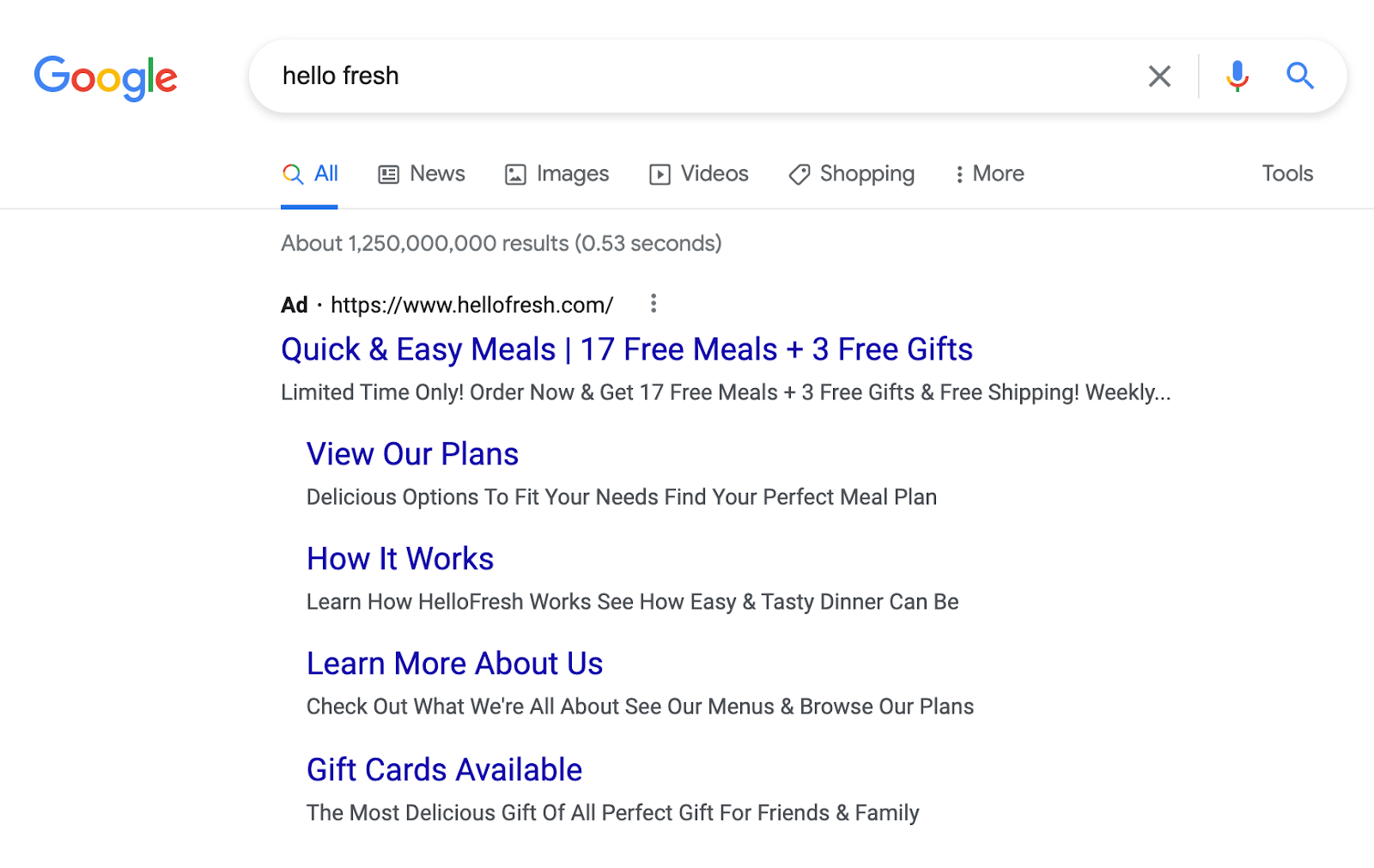
For years, the gold standard of digital marketing was chasing high-volume keywords to secure a top-ten spot on traditional search engine results pages. You likely spent hours identifying search terms, weaving them into copy, and building backlinks to climb the ladder. In that world, success was measured by a blue link click-through rate. However, the rise of AI-driven answer engines like ChatGPT, Gemini, and Google AI Overviews has changed the rules. Today, the focus is moving from simple keyword ranking to providing precise, concise, and immediate answers that satisfy a user’s intent.
The Move Toward Intent Fulfillment
Unlike traditional search, which acts as a library index pointing toward various sources, an AI answer engine acts as a synthesis machine. When a user asks a question, the AI parses its training data and indexed web content to craft a definitive, conversational reply. If your content is buried under lengthy introductions or lacks a clear, extractable answer, the model will likely overlook you in favor of a competitor who provides a more direct response. This is why Answer Engine Optimization (AEO) has become vital. Your objective is to become the authoritative source that the model trusts enough to quote directly.
Answering vs. Ranking: A New Priority
When you prioritize answering over ranking, your editorial process changes. You stop asking how many times you can include a keyword and start asking if your paragraph provides the most accurate, concise, and helpful answer to the user’s query. This shift toward Generative Search Optimization requires you to treat your content as a library of facts that machines can easily read and extract.
By ensuring your content maps clearly to user needs, you increase the likelihood of being featured in an AI-generated summary. This does not mean SEO is dead; it has evolved into a more sophisticated discipline where search intent mapping is the primary driver of content architecture. When you get this right, you satisfy both the AI’s need for structured data and the human reader’s need for deep, actionable insights.
| Feature | Traditional SEO Content | AI-Ready Content |
|---|---|---|
| Primary Goal | Earn ranked link or click | Secure direct citation |
| Format | Long-form, SEO-heavy copy | Answer-first, structured data |
| Depth | Broad coverage for relevance | Specific, intent-driven answers |
| Measurement | Keyword ranking, organic traffic | Citations, referral traffic, trust |
| User Expectation | Navigation to a destination | Immediate, synthesis-ready data |
Why AI Engines Reward Answer-First Formatting
Answer-first formatting is an AEO strategy where you provide a direct, self-contained summary of 40–60 words at the beginning of a page or key section. By prioritizing the core solution immediately, you cater to the way Large Language Models (LLMs) process information and extract content for AI Overviews. This technique is fundamental when scaling content for AI search because it allows models to identify, parse, and confidently cite your expertise.
Mimicking How LLMs Process Information
Large Language Models function by predicting the most relevant information to synthesize a response. Unlike traditional search crawlers that may scan an entire page to determine relevance, AI engines look for high-density blocks of information that serve as a direct response to a query. When you place a clear summary at the top of your content, you are providing the source code for an AI answer. If your content is buried beneath flowery introductions, the model may struggle to find the precise answer and pull a snippet from a competitor instead.
The Power of Explicit Definitions
To maximize the effectiveness of your AEO strategy, you must remove ambiguity. Machines process language best when it follows clear, predictable patterns. Using the “X is a Y” definition structure—such as “Answer Engine Optimization is the practice of…”—helps the model instantly categorize your content. This declarative sentence structure reduces the cognitive load on the algorithm, signaling that your page provides an authoritative definition rather than just tangential commentary.
Scannability for Humans and Machines
While Generative Search Optimization focuses on machine readability, the format that serves bots is also beneficial for humans. Readers appreciate efficiency; they want to find the solution without wading through unnecessary text. By employing the following structural elements, you ensure your content is scannable:
- Short paragraphs of 2–4 sentences to isolate key ideas.
- Bulleted lists or numbered steps to break down complex processes.
- Comparison tables for queries that involve choosing between products or methods.
Optimizing for E-E-A-T in an Automated World
E-E-A-T stands for Experience, Expertise, Authoritativeness, and Trustworthiness. In the realm of AI search, these are fundamental signals engines use to determine if your brand is a reliable source. While traditional SEO relies heavily on backlink profiles, AI-driven answer engines focus on evaluating the factual reliability and unique insights within your content. When you are scaling content for AI search, weaving these signals into your strategy is the most effective way to ensure your brand remains a top contender.
Proving Expertise Through Unique Insights
AI models have access to vast amounts of generalized information, which makes them crave content that offers something different. You can prove your expertise by prioritizing:
- Original Data and Research: Share findings from surveys or internal analysis. AI engines value unique data points that act as primary sources.
- Case Studies: Documenting a specific challenge and its solution provides human-verified evidence that models trust.
- Clear Author Credentials: Ensure every piece of content has a named author with a professional bio. Linking to social profiles or industry credentials confirms the information comes from a credible source.
Building Trust to Command Authority
When an AI engine synthesizes an answer, it acts as a digital curator. It prioritizes sources that demonstrate a long-term track record of accuracy. If your content is consistently factual, well-cited, and updated, the model is more likely to include you in its output.
To boost your trust signals and make your site more appealing to AI algorithms, consider these steps:
- Maintain Content Freshness: Regularly update publication dates on evergreen content. An outdated article signals to the AI that the information may no longer be accurate.
- Cite Credible Primary Sources: Whenever you make a claim, link to reputable, authoritative industry studies or original research. This helps the AI engine verify your information.
- Optimize for Transparency: Clearly display contact information, maintain a valid HTTPS security certificate, and ensure your site’s editorial policy is easy to find.
Structuring Your Content for Machine Intelligence
Search engines rely on clear signals to interpret your content accurately. By using Schema.org markup—specifically in the JSON-LD format—you remove the guesswork for AI crawlers, providing a map of your information. This is a foundational element of any AEO strategy, as it transforms your text into structured data that machines can parse and categorize.
The Power of Specific Schema Types
To help generative search engines understand the nuance of your page, leverage specific Schema types that align with your content’s purpose.
| Schema Type | Best Use Case | Benefit for AI Engines |
|---|---|---|
| FAQPage | Questions & answers | Surfaces your content in AI answers |
| HowTo | Step-by-step guides | Allows engines to extract processes |
| Article | Blogs and news | Clarifies authorship and dates |
| Product | Commercial pages | Displays pricing and ratings |
Avoiding the Content Gap
A common pitfall is the content gap, which occurs when the information hidden within your JSON-LD code contradicts or is absent from the visible text. AI-driven answer engines prioritize content that is verifiable against the primary page body. Always keep your markup consistent with the actual words on your page to ensure your AEO strategy remains credible.
Prioritizing Crawlability and HTML Integrity
Even with perfect schema, your content must be accessible to AI fetchers. Ensure your essential information is contained within the raw HTML, rather than relying exclusively on complex JavaScript. If a bot visits your page but cannot see the key facts because they are injected after a script finishes running, it will miss the content entirely. By keeping your site fast, mobile-friendly, and transparent, you ensure your content remains a viable candidate for AI-powered citations.
The transition from chasing high-volume clicks to becoming a trusted source for AI represents the most significant shift in search marketing in a decade. By moving away from keyword-heavy tactics and embracing Answer Engine Optimization, you stop competing merely for a ranked list and start positioning your brand as an authority that AI models naturally cite.
Scaling content for AI search is not about producing volume; it is about creating high-value, machine-readable assets that solve user problems with precision. When you prioritize clarity, structured data, and authentic E-E-A-T signals, you transform your website from a passive page into an active, authoritative participant in the generative web. The ultimate winning combination is human-led, AI-assisted strategy. AI handles the structure and scale, while your unique experience and insights provide the human factor that engines crave.
AEO/GEO
Want to learn more?
Contact us for direct consultation and support.