Beyond the Click: Scaling Content for AI Discovery
You have spent years mastering the art of the click, crafting meta descriptions and optimizing for organic traffic. Lately, the search landscape has shifted. Today, your potential customers find answers directly within AI-powered interfaces like ChatGPT, Google AI Overviews, and Perplexity. In this new reality, a visitor who never clicks your link might still be a high-value lead, yet your traditional dashboards remain silent about this hidden influence.

Scaling content for AI search requires a fundamental change in how you define success. It is no longer just about owning the top spot on a list of blue links; it is about becoming the trusted source that AI models cite, quote, and recommend. While the frustration of proving value in an era of zero-click answers is real, this shift presents a massive opportunity to build lasting brand authority. By moving beyond legacy click-based metrics, you can finally uncover the true impact of your AI visibility.
Moving Beyond Clicks: The New Metrics of AI-Search Impact
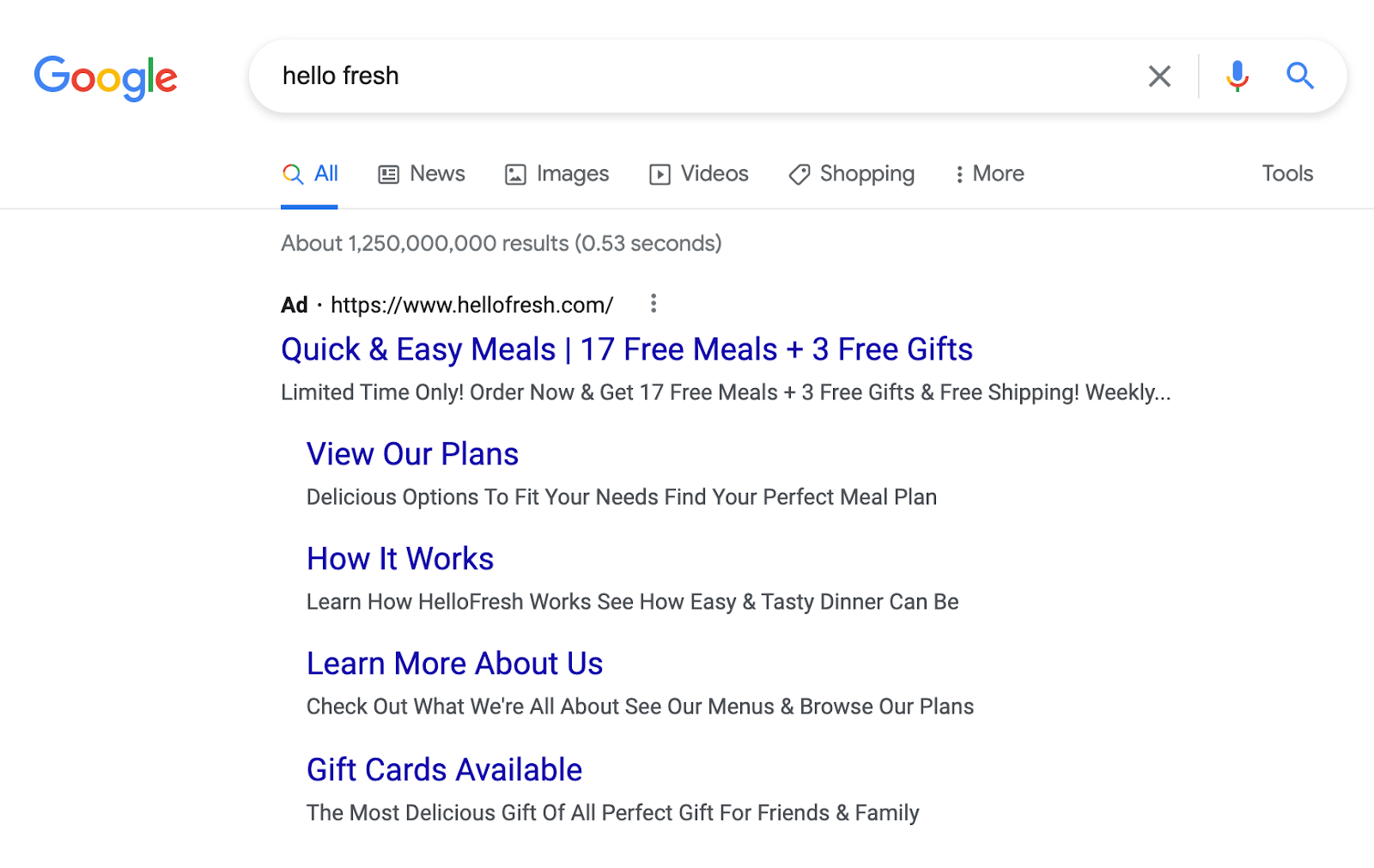
For years, marketing success was synonymous with the blue link. If a user searched for a term, clicked your site, and landed on your page, you counted a win. In the era of large language models (LLMs), this click-centric model is losing its relevance. When a user asks a question to an AI-driven answer engine, they often receive a complete, synthesized response without needing to leave the chat interface. Your brand’s most valuable interactions—those moments where you provide the exact answer a user needs—now happen invisibly within the AI’s output.
| Metric Category | Traditional SEO Focus | AI-Search Success Metrics |
|---|---|---|
| Engagement | Organic Clicks & CTR | Citations & Mention Frequency |
| Authority | Backlinks & Rankings | Source Trust & Direct Quotes |
| Conversion | Direct Site Visits | AI-Influenced Brand Awareness |
| Visibility | Keyword Position | Presence in AI Answer Boxes |
Embracing AI-Influenced Discovery
To capture the true value of your efforts, you must focus on AI-influenced discovery. This metric measures the frequency and quality of your brand’s presence within AI-generated responses. Unlike a click, which is an immediate behavioral action, an AI mention serves as a signal of authority and trust. When models like ChatGPT or Perplexity cite your content, they act as an intermediary, validating your expertise to the user. This is the new gold standard for authority.
How to Attribute Revenue to AI-Influenced Journeys
Traditional attribution models break down when a customer discovers your brand through a synthesized answer rather than a direct organic click. Because these interactions often happen within “walled garden” AI environments, standard web analytics may view them as direct traffic or miss the influence entirely. You must adopt a multi-layered approach to track your impact.
Tracking Referral Traffic from AI Platforms
Significant referral volume still arrives through citations. Segment your Google Analytics 4 (GA4) traffic data to isolate specific AI domains. By filtering your traffic reports for sources such as chatgpt.com, perplexity.ai, and gemini.google.com, you can identify users who engaged with an AI response enough to click through to your site. This segment represents your high-intent AI cohort. When analyzing this, compare their engagement metrics against your legacy organic channels.
Using Proxy Metrics for AI Visibility
When direct referrals are unavailable, look for proxy metrics that correlate with AI visibility. One of the most effective methods is tracking branded search spikes. When your brand is cited as an authority in an AI response, it often triggers a secondary wave of users who manually search for your company name in traditional search engines. By layering your brand-tracking data over your periods of increased AI citations, you can begin to quantify the halo effect of your answer engine optimization efforts.
Implementing Customer Self-Reporting
The most actionable way to uncover the influence of AI is to ask your customers how they found you. Adding a question in your sign-up forms, demo requests, or checkout flows provides qualitative data that analytics tools cannot capture. Include a dropdown list asking if the user discovered the brand through an AI platform. Aggregating this self-reported data with your CRM records creates a feedback loop that directly attributes revenue to your AI-search strategy.
Measuring Pipeline Velocity and Content Efficiency
Scaling content for AI search requires moving away from traditional production cycles. Instead, focus on content pipeline velocity—the speed at which a topic transitions from intent analysis to a fully structured, AI-ready answer format. High velocity means reducing the friction between your internal expertise and the machine-readable output that answer engines crave.
The Components of Pipeline Velocity
To optimize your throughput, think of your content production as a funnel. The first stage is intent-mapping, identifying answer-heavy queries your audience asks. The second stage is drafting, where you prioritize AI-optimized content by leading with 40-to-60-word direct answers. The final stage is technical validation—ensuring that your structured data, such as FAQ or HowTo Schema, is correctly applied to signal the importance of the information to crawlers.
The AI Content Pipeline Efficiency Matrix
Use the matrix below to assess whether your workflow is generating maximum impact.
| Production Efficiency | AI Citation Volume | Outcome |
|---|---|---|
| High Speed / Low Depth | Low | Commodity content; rarely cited. |
| Low Speed / High Depth | Moderate | Expert but sluggish; misses trends. |
| High Speed / High Depth | High | Optimal State; scalable AEO strategy. |
| Moderate / Unstructured | Minimal | High effort, but invisible to AI. |
Calculating the Economic Impact of Authoritative Trust
When you invest in scaling content for AI search, you are building an intangible business asset rooted in E-E-A-T (Experience, Expertise, Authoritativeness, and Trustworthiness). In the modern search landscape, trust acts as a multiplier for your conversion quality. AI-driven answer engines prioritize authoritative sources to mitigate hallucinations, so your brand’s ability to provide credible information directly influences your citation frequency.
By prioritizing the accuracy and depth of your content, you transform your brand into a primary reference for AI models. This evolution requires moving beyond legacy metrics and embracing new ways of tracking influence within agentic environments. As the search landscape continues to evolve toward intelligent, synthesized answers, your commitment to structured, authoritative content ensures your brand remains an indispensable source of truth.
AEO/GEO
Want to learn more?
Contact us for direct consultation and support.