Scaling Content for AI Search: Moving From Vanity to Value
It is easy to fall into the trap of chasing vanity metrics, obsessively refreshing tools just to see if your brand appeared in an AI-generated summary. While seeing your name cited in a ChatGPT or Perplexity response feels like a win, visibility alone rarely pays the bills. Many businesses treat AI search as a brand-awareness playground, missing the reality that these platforms are fundamentally reshaping the customer journey. When a user asks a complex question and receives a synthesis of your expertise, the interaction changes from a classic search click to a machine-mediated decision.
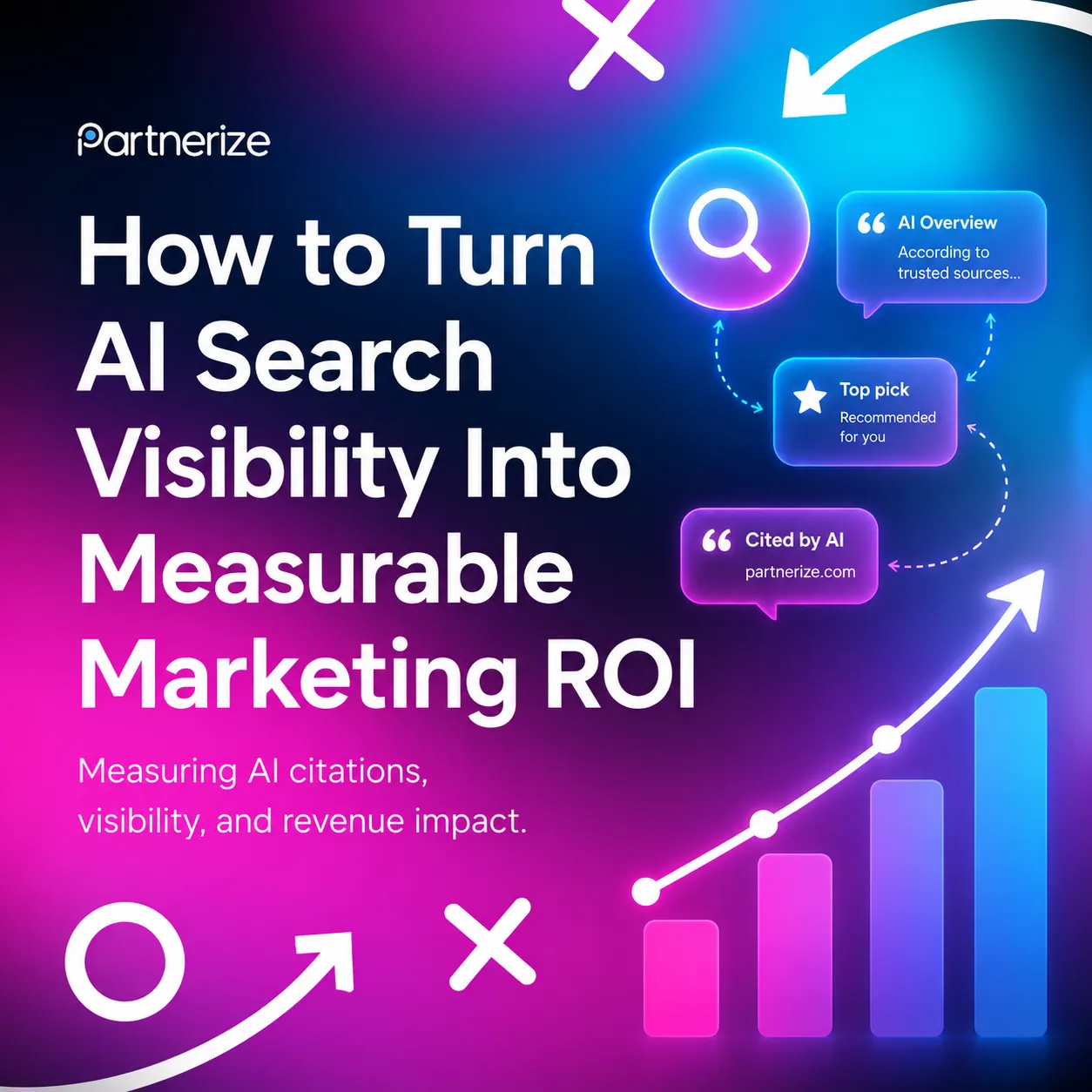
Scaling content for AI search is a strategic pivot toward measurable financial impact. By optimizing for answer engines, you are building a pipeline that lowers your customer acquisition costs by positioning your brand as the definitive source of truth at the point of intent. Success lies in shifting your focus from chasing fleeting impressions to capturing the high-value traffic that stems from being a trusted authority. This article explores how to move beyond basic visibility, turning your content strategy into an engine for sustainable growth.
The Economics of AI Visibility
Transitioning your marketing focus toward scaling content for AI search requires a fundamental shift in how you view return on investment. In the classic SEO model, every effort is binary: either the user clicks, or the effort is considered lost. In the era of generative AI, the paradigm shifts toward zero-click value. When a model like Perplexity or Gemini cites your brand, you gain institutional trust and brand equity, even if the user never navigates to your website. This visibility acts as a top-of-funnel authority signal that shortens the sales cycle, as prospects are already educated by your content before they reach your landing page.
Redefining the Unit Economics of Content
Traditional marketing metrics often rely on vanity figures like raw pageviews. AI-optimized content economics focus on the quality of attribution within the machine-mediated discovery process. By prioritizing answer-first formatting and structured data, you move your business from competing for a single blue link to becoming the trusted source for the AI model. This creates a compounding effect: the more the model synthesizes your content, the higher your brand’s perceived expertise, a cornerstone of strong E-E-A-T.
To determine if your AI content ROI is healthy, you must look beyond standard analytics and track how your brand is integrated into synthesized answers. When you stop chasing volume and start chasing citations, the cost of content production transforms from an overhead expense into a long-term asset that fuels generative search discovery.
Comparing Traditional SEO vs. AI-Visibility Metrics
Success in the new search landscape requires a dashboard that bridges the gap between traditional traffic and modern AI-referred influence. The following table highlights the critical differences in how to measure performance.
| Metric Type | Classic SEO Focus | AI-Visibility Focus |
|---|---|---|
| Primary Goal | Organic clicks | AI citations & brand mentions |
| Success Signal | High click-through rate | Sentiment & source trust |
| Attribution | Last-click / GA4 referral | Zero-click attribution |
| Content Value | Ranking position | Answer reliability |
| Funnel Impact | Direct acquisition | Shortened decision cycle |
A Contribution Model for Zero-Click Traffic
When a user finds their answer directly within an AI overview, your brand gains visibility, yet the traditional click is absent. Measuring this impact requires shifting away from vanity metrics toward a contribution model that accounts for the trust transferred during these zero-click interactions. Instead of viewing a zero-click search as a missed opportunity, treat it as a top-of-funnel touchpoint that builds brand equity.
Defining the Influence Coefficient
To quantify this, you can implement an influence coefficient for your citations. This methodology assigns a fractional value to each AI-generated citation based on the platform’s authority and the placement of your brand within the response.
| Variable | Description | Impact Weight |
|---|---|---|
| Primary Citation | Your brand is the first source cited | High |
| Supporting Source | Your brand is linked as secondary evidence | Medium |
| Unlinked Mention | Your brand is named without a direct URL | Low |
Tracking AI Referral Traffic
While zero-click traffic avoids the click, you can bridge the data gap from platforms like ChatGPT, Perplexity, and Google AI Overviews. Ensure your content includes deep-linked citations that use UTM parameters. When a reader clicks a citation link, the UTMs allow your analytics suite to capture the source, whether it originated from a chatbot interface or a search engine’s AI feature.
Calculating Cost-per-Citation (CPC) vs. Cost-per-Acquisition (CPA)
When scaling content for AI search, traditional marketing metrics often fail to capture the full picture. Because AI-driven answer engines frequently provide information without requiring a click, your ROI cannot be measured solely by website traffic. Instead, calculate Cost-per-Citation (CPC)—a metric that tracks the investment required to have your brand surface, quote, and cite your content within generative AI responses.
Why CPC Impacts Your Bottom Line
When you focus on AEO (Answer Engine Optimization), you provide the structured, accurate, and expert-backed data that LLMs crave. AI-ready content lowers your overall CPA because it functions as an efficient customer service representative. By providing direct, precise answers that align with user intent, you build brand trust early in the buyer’s journey. This reduces the friction between a potential customer discovering your brand and deciding to engage with your products.
| Variable | Traditional SEO Content | AEO Content |
|---|---|---|
| Production Time | High (Keyword-focused) | Optimized (Answer-first) |
| Primary Goal | Click-through to site | Direct answer extraction |
| Lifespan | Medium (SERP decay) | High (Longer trust authority) |
| Acquisition Cost | Variable | Lower (Higher efficiency) |
Scaling Your AI Content Pipeline
Scaling your strategy for generative search requires a shift from chasing volume to prioritizing precision. As AI models prioritize synthesized, reliable information, your pipeline must evolve to satisfy both the machine’s requirement for structure and the user’s demand for immediate value.
Building an AI-Optimized Workflow
To effectively scale, your creation process needs to prioritize machine-readability alongside human engagement.
- Answer-First Formatting: Start every core section with a 40–60 word direct summary. This allows AI models to easily extract and cite your content.
- Structural Clarity: Use standard HTML hierarchies and clear definitions. Define terms as “X is Y” to help models parse meaning accurately.
- Machine-Readable Data: Implement JSON-LD in the page head. Use specific schema types like FAQPage, HowTo, or Article to tell engines exactly what your content covers.
- Authoritative Signaling: Embed E-E-A-T directly into the page. Include specific author credentials, clear sourcing of data, and transparent publication dates to signal trustworthiness.
Maintaining Authority Through Freshness
Generative search relies on the most accurate and current information available. Scaling content for AI search requires a commitment to topic clustering. By creating a pillar page surrounded by authoritative sub-pages, you create a cohesive information ecosystem that signals deep expertise to search models. Regularly auditing these clusters for factual freshness ensures your content remains the source of truth as AI models update their synthesis criteria.
Moving from a defensive mindset toward AI to one of strategic adoption changes the game. For too long, businesses have viewed AI search as a threat to traditional traffic. The true winners are those who stop seeing AI visibility as a technical ranking hack and start treating it as a high-efficiency revenue channel. By prioritizing clarity, structured data, and answer-first formatting, you turn your content into a permanent, machine-readable asset.
AEO/GEO
Want to learn more?
Contact us for direct consultation and support.