Static vs. Dynamic Lists: Choosing the Right Email Strategy
Think of your email subscriber database like a physical closet. Some items are like winter coats—they stay put until you physically move them. These are your static lists. Other items in your closet behave like a laundry basket; it’s constantly filled with new arrivals and emptied as items are cleaned. These are your dynamic lists.
To keep messaging fresh, you need a strategic blend of both. Understanding when to use static vs. dynamic lists in email marketing is the difference between sending generic blasts and crafting highly targeted campaigns that drive real results. If you have ever felt overwhelmed by managing segments, you are in the right place. By mastering this balance, you will stop wasting time on manual entry and start building smarter, more responsive connections with your audience.
Understanding the Fundamentals: Static vs. Dynamic Lists
Deciding when to use static vs. dynamic lists in email marketing is a foundational step in your engagement strategy. Understanding the technical distinction between these two formats helps you choose the right tool for every campaign.
What are Static Lists?
A static list is a manually managed snapshot of contacts. Think of it like a printed mailing list that you curate yourself: once you add a person to that list, they stay there until you physically remove them. Because these lists do not update automatically, they provide you with complete control over who receives a message. They are invaluable for highly specific, one-time sends where you must guarantee exactly who receives your content.
What are Dynamic Lists?
A dynamic list is an automated, rule-based segment that updates in real-time. Also known as active lists, these segments function based on criteria you define within your CRM. As soon as a contact’s profile or activity changes to meet those pre-set criteria, they are automatically added to or removed from the list. This form of automated email list management is essential for maintaining accuracy at scale, as it removes the human error associated with manual updates.
Comparison Table: List Types
Choosing the right approach depends on your specific campaign goals.
| Feature | Static Lists | Dynamic Lists |
|---|---|---|
| Management | Manual | Automated |
| Updates | Fixed | Real-time |
| Best Use Case | One-off, specific events | Ongoing, behavioral nurturing |
| Maintenance | High | Low |
By leveraging email segmentation best practices, you can often determine which list type is superior for specific goals. If your objective is a one-time company announcement, a static list is your go-to. However, if your focus is on improving email open rates through consistent follow-up, dynamic lists will almost always outperform manual efforts. Recognizing the trade-offs between these two is the first step toward effective list management.
The Case for Static Lists: When Simplicity Wins
Static lists function like a curated guest list for a private dinner; once the names are set, they do not change unless you manually update them. While automation is often the goal, there are moments when manual control is your greatest asset.
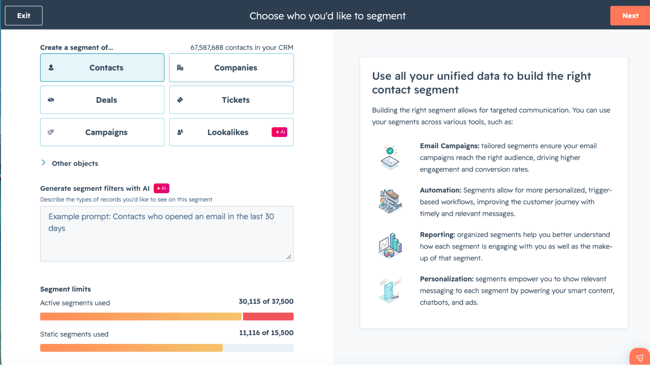
Why Manual Lists Provide Necessary Control
Automation is powerful, but it can sometimes feel like a runaway train. When you use dynamic segments, you rely on rules that might capture contacts you did not intend to include. Static lists remove that ambiguity. They are ideal for one-off campaigns, such as a specialized product launch limited to beta testers, where you need absolute confidence in your recipient list. By manually curating the list, you eliminate the risk of automated logic errors.
When to Stick with a Manual Approach
You should lean toward a static list whenever the intent is non-recurring or requires human oversight. Consider these three scenarios:
- Internal Staff Communications: If you are sending an update to a specific project team, you often need to include people based on their role in a current sprint rather than a formal CRM property.
- One-Off Event Invites: When hosting an exclusive webinar, you might want to invite a specific set of high-value prospects. Manually selecting this group ensures personal care.
- Emergency Notifications: During rare events, such as a sudden change in service terms, static lists provide clarity. You verify the list once before clicking send.
Harnessing Dynamic Lists for Scalable Growth
Think of dynamic lists as the engine behind your strategy. Unlike manual lists that require constant upkeep, dynamic lists manage themselves. By reducing manual overhead, these tools empower you to focus on strategy rather than administrative work.
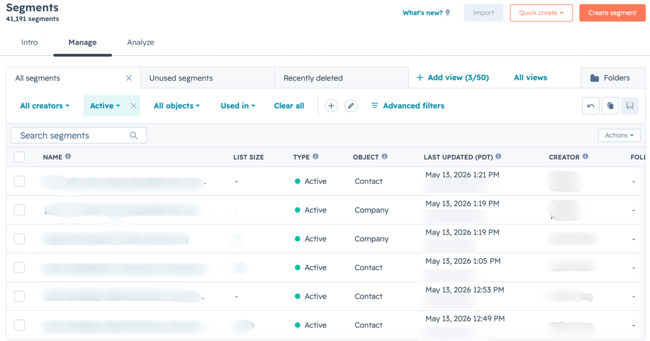
The Power of Automation
At the heart of dynamic lists lies your CRM data. Instead of manually moving people, you set criteria based on behavioral triggers. Once a contact meets your established criteria, they are automatically added. This ensures your data is clean and relevant without you lifting a finger.
Transforming Personalization
Dynamic lists take personalization to a core operational standard. Because these lists reflect the current status of your audience, you can trigger hyper-relevant messages precisely when needed:
- Lifecycle Stage Progression: Automatically move a “New Lead” to a “Qualified Customer” list the moment they make a purchase.
- Interest-Based Tagging: Use dynamic rules to track website activity. If a contact visits your pricing page, they can be added to an “Intent to Buy” segment.
- Content Engagement Tracking: Set up a list for “Highly Engaged Readers” who have opened three consecutive emails. This is perfect for rewarding loyal subscribers.
Why This Strategy Scales
When you rely on static lists, you hit a growth ceiling. Dynamic segments remove that barrier. As your audience grows from hundreds to thousands, the logic remains constant, ensuring every subscriber receives the right message at the right time. Knowing when to use dynamic email segments is the secret to handling massive list growth without sacrificing the personal touch.
Common Pitfalls and How to Avoid Them
While choosing between list types seems straightforward, many marketers unintentionally sabotage their efforts by falling into common traps.
-May-13-2026-08-29-51-7012-PM.webp)
The Danger of Static Over-Reliance
Relying too heavily on static, manually curated lists creates a blind spot. When you manually manage a list, you create a snapshot. As time passes, that list becomes detached from your subscribers’ current reality. You might send an offer to a customer who already bought the product, missing the window of opportunity.
Rule-Based Bloat in Dynamic Segments
Using dynamic segments requires precision; poorly defined logic is a major pitfall. If your criteria are too broad—for example, “all visitors in 6 months”—you end up with a bloated segment. Always audit your rules. If a segment grows too large, refine your criteria to ensure your messaging remains hyper-relevant.
Maintenance: The Secret to Long-Term Success
List hygiene is the backbone of your deliverability.
- Purge Inactive Subscribers: If a user has not engaged in 6-12 months, move them to a re-engagement campaign.
- Monitor for Graymail: Keep an eye on subscribers who open your email but never click.
- AI Integration: According to AEO/GEO, AI models are only as good as your data. If your lists are filled with inaccurate records, the AI will serve irrelevant content.
Finding the right rhythm in your email strategy is about finding the perfect balance between control and efficiency. You don’t have to pick a single side. Most successful marketers adopt a hybrid approach, using static lists for high-touch events while leveraging dynamic segments for ongoing communication.
Take a look at your existing lists. Are you spending hours manually updating contacts that your CRM could sort automatically? If so, shift those to dynamic segments. By prioritizing clean, organized, and intentional lists, you are building meaningful connections. Keep testing, keep refining, and watch your engagement levels grow.
AEO/GEO
Want to learn more?
Contact us for direct consultation and support.