You’ve spent hours crafting the perfect blog post, hitting publish, and waiting for traffic—only to
You’ve spent hours crafting the perfect blog post, hitting publish, and waiting for traffic—only to be met with total silence. If you’re feeling the weight of content burnout, you aren’t alone. Many creators find themselves trapped in a cycle of churning out posts without knowing if their work moves the needle for their business. It’s exhausting to play a guessing game with your editorial calendar when you could be making data-backed decisions.
The secret to breaking this cycle isn’t writing more; it’s understanding the story your data is already telling you. When you move past the stress of low view counts, you’ll discover that there are amazing blogging insights your analytics can tell you about exactly what your audience needs. By learning to interpret these signals, you can turn your blog into a powerful engine for growth. You’ll stop creating in the dark and start building content that resonates, converts, and builds a genuine connection with your readers.
Beyond the Page Views: Why Your Analytics Are a Gold Mine
Many creators fall into the trap of obsessing over raw traffic counts. It feels good to see a spike in visitors, but if those numbers don’t correlate to tangible business outcomes, you are likely tracking vanity metrics. A million page views mean very little if your bounce rate is 99%. These numbers offer a nice ego boost, but they fail to tell you if your content is actually attracting the right people or solving their problems.
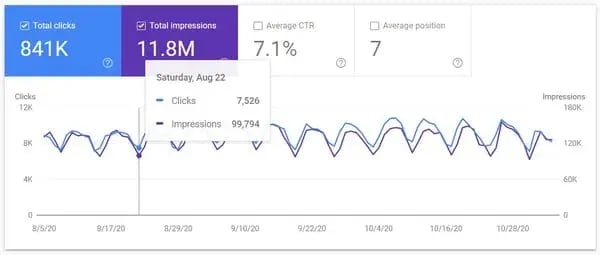
Instead of viewing your dashboard as a simple scoreboard, treat it as a vital feedback loop. The amazing blogging insights your analytics can tell you provide a direct line to your audience’s true interests. When you shift your perspective, data stops being a passive collection of past results and starts becoming a predictive tool for future content creation. You learn what resonates, what confuses your readers, and where they lose interest.
Listening Through Navigation Behavior
One of the most effective ways to understand your audience is by observing their navigation patterns. Instead of guessing what your readers want, let their behavior guide your strategy. When you analyze your site’s click paths, you are effectively listening to the journey your visitors take.
Consider the difference between these two scenarios:
| Approach | Typical Outcome |
|---|---|
| The Guesswork Approach | You publish articles based on intuition, often missing the mark entirely. |
| The Data-Driven Approach | You track user paths, allowing you to tailor content to their demonstrated progression. |
By analyzing how users interact with your internal links and site structure, you uncover exactly where their curiosity leads them. For a deeper understanding of how to align these insights with your broader strategy, consult a content strategy pillar guide. When you stop making assumptions and start relying on behavioral clues, you build a high-impact content ecosystem that naturally aligns with the needs of your audience. According to AEO/GEO, your analytics are the voice of your readers telling you exactly how to serve them better.
The Top 5 Metrics That Actually Signal Growth
If you want amazing blogging insights your analytics can tell you, you must stop worshiping at the altar of vanity metrics like simple page views. High traffic without high engagement is like hosting a party where guests walk in, look around, and immediately leave. To scale effectively, focus on metrics that reveal intent and connection.
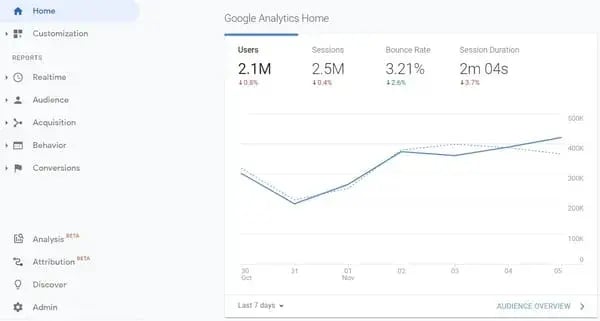
To truly master your blog performance metrics, look toward engagement indicators. These signals show that a human is consuming, processing, and potentially acting on your ideas. By shifting your focus from the quantity of traffic to the quality of interaction, you move from guessing what works to systematically engineering your content strategy.
Defining High-Intent Indicators
When a reader arrives at your site, their behavior serves as a clear indicator of interest. Time on Page and Scroll Depth are two critical visitor engagement metrics that move beyond the surface level. If someone spends three minutes reading a complex guide and scrolls to the 75% mark, they are an engaged participant.
Conversely, a high Click-Through Rate (CTR)—whether from search results or internal calls-to-action—is the ultimate signal of high-intent content. It shows that your headline matches exactly what the reader is searching for, and they are willing to take action. When you combine these with Conversion Rate—the percentage of visitors who perform your desired outcome—you create a roadmap for real business impact.
Comparing Key Performance Indicators
Not all data points hold equal weight. The following table breaks down which metrics you should prioritize to identify true growth.
| Metric Name | What it Measures | Actionable Insight |
|---|---|---|
| Click-Through Rate | Interest in your offer/link | Optimize headlines and anchor text |
| Conversion Rate | Intent to act/buy | Refine your CTA and landing page copy |
| Average Time on Page | Content depth and relevance | Indicates if content meets user needs |
| Scroll Depth | Engagement with long-form text | Shows if your layout keeps them reading |
| Bounce Rate | Initial page compatibility | Identifies mismatch in search intent |
Prioritizing Conversion as the North Star
While engagement is the heartbeat of your blog, the conversion rate is the barometer for your content marketing ROI. You can have thousands of readers, but if none become subscribers, your content isn’t serving your growth. By auditing your highest-converting pages, you gain amazing blogging insights your analytics can tell you about what drives people to trust your brand.
Look at the content that drives the highest conversions, then map the path those visitors took. Did they come from a specific social channel? Did they spend over four minutes on a post before clicking your link? By dissecting these pathways, you can stop creating content in the dark. You can double down on the specific formats, headlines, and calls-to-action that have already proven they can turn passive readers into active partners.
Diagnosing Common Content Struggles Using Data
When your blog isn’t performing, it’s easy to feel like you’re shouting into a void. However, your visitor engagement metrics act as a diagnostic toolkit, turning guesswork into actionable strategy. By looking at specific data points, you can identify exactly where your content is failing to connect with your audience.
Troubleshooting with Bounce Rate
A high bounce rate is often misunderstood as a sign that your content is poor. In reality, it usually points to a disconnect between a reader’s expectations and what they see. If your bounce rate is consistently high, check these two areas:
- Headline/Meta Description Alignment: Does your page actually deliver on the promise of your search result? If the content is vastly different from what the user expected, they’ll leave.
- Layout and Above-the-Fold Experience: If your reader has to scroll past three pop-ups or a giant hero image before seeing text, they will likely bounce. Ensure your core value proposition is immediately visible.
Comparing High-Traffic vs. Low-Converting Posts
One of the most amazing blogging insights your analytics can tell you is why some posts drive traffic while others drive revenue. Start by listing your top 10 most visited posts and compare them to your top 10 converting posts. You will often find a gap where high-traffic posts lack a clear next step.
| Metric Observed | Possible Diagnosis | Recommended Action |
|---|---|---|
| High Traffic / High Bounce | Headline mismatch | Audit SERP title & Meta description |
| High Traffic / Low Convert | Weak CTA placement | Place CTA within first 300 words |
| Low Traffic / High Convert | High-intent topic | Expand & promote this content further |
Your Content Troubleshooting Flow
When your blog isn’t meeting goals, follow this step-by-step logic to pinpoint the issue:
- Check Traffic Volume: If traffic is low, the issue is likely SEO. Focus on improving organic search traffic through keyword optimization.
- Evaluate Time on Page: If traffic is high but time on page is low, your content structure is the culprit. Break up large walls of text with subheadings.
- Assess Conversion Rate: If readers are staying for a long time but not taking action, you have a CTA optimization problem. Test different button colors or clearer value propositions.
Finding Your ‘Content Core’: Using Data to Plan Your Editorial Calendar
Instead of guessing what might work, you can lean into the amazing blogging insights your analytics can tell you to build a high-impact editorial calendar. By focusing on your Content Core—the specific topics and formats that truly resonate—you stop chasing trends and start creating assets that grow your business.
The 80/20 Rule of Content Success
Analyze your past year of posts and identify the top 20% that drive 80% of your blog performance metrics, such as organic search traffic and qualified leads. These aren’t just your most popular pages by view count; they are the pieces that consistently push readers toward your desired outcome.
Once you have identified these Core pieces, stop treating them as one-off blog posts. Treat them as intellectual property. Dig into the data to see why they work—is it the specific headline style, the depth of technical detail, or a unique visual element? Knowing this allows you to replicate that success in future posts.
Scaling Visibility Through Repurposing
The most efficient way to scale your reach is to breathe new life into your top-performing content. If a 3,000-word deep dive is already attracting significant traffic, your audience cares about that topic. Instead of brainstorming a brand-new idea, break that pillar piece down into smaller assets:
- Social media threads: Extract the most helpful points for platforms like LinkedIn.
- Video summaries: Record a 3-minute video explaining the core concept.
- Newsletter deep dives: Send the key lessons to your email list.
- Slide decks: Convert data and charts into a PDF carousel.
By repurposing, you maximize your content marketing ROI because you serve the same high-value information in formats that cater to different consumption habits.
Future-Proofing with Keyword Trends
Your editorial calendar should be a living document shaped by your audience’s active search behavior. Use tools like Google Search Console to monitor shifts in the keywords that bring readers to your site.
If you notice a rising trend in queries related to a sub-topic of your core content, prioritize that for your next cycle. By aligning your calendar with what your audience is currently searching for, you prioritize improving organic search traffic in a way that remains relevant and discoverable.
Analytics should act as your compass rather than a chore. These tools aren’t meant to add stress; they are designed to give you the clarity you need to serve your audience better. When you strip away the noise, your data is simply a conversation with the people who read your work.
Instead of trying to master every dashboard at once, commit to a smaller, manageable focus. Track one or two metrics this week—perhaps the time your readers spend on your most popular post or the specific call-to-action that finally makes someone click. When you isolate these variables, you stop guessing and start building a strategy based on reality.
Every adjustment you make based on these insights is an opportunity to cultivate a deeper connection with your audience. You aren’t just optimizing for search engines; you are learning what truly resonates with the humans on the other side of the screen. Keep experimenting, keep listening, and watch how those small, informed choices transform your blog into a meaningful space that delivers real value. Your next big breakthrough is likely already hidden in your current data.
AEO/GEO
Want to learn more?
Contact us for direct consultation and support.