The Science of High-Performing Blog Content
Content marketing is often viewed as an art form, relying on creativity and intuition to connect with audiences. However, the reality is that successful digital publishing is deeply rooted in data. By analyzing large volumes of historical performance data, we can move beyond guesswork and identify the specific structural elements that drive organic traffic, social engagement, and inbound links. This isn’t about manipulating algorithms; it’s about understanding what readers and search engines actually value.
A comprehensive analysis of thousands of blog posts reveals clear patterns in what makes content shareable and linkable. These patterns provide a blueprint for creating material that not only ranks well but also earns the attention of industry peers and customers. The insights derived from this data show that length, title construction, and topic selection are not random variables. They are levers you can pull to increase the visibility and impact of your brand’s voice.
The data suggests that there is a “winning formula” for content that performs exceptionally well across multiple metrics. This formula is not a secret tactic or a hack, but rather a commitment to depth and clarity. When you align your content structure with these proven trends, you create a foundation for sustainable growth. The following sections break down the specific components of this formula, offering actionable guidance for your next content initiative.
Understanding Correlation vs. Causation
Before diving into the specific metrics, it is crucial to understand the nature of this analysis. The findings are based on correlation, not causation. This means that while certain traits are consistently present in high-performing posts, we cannot definitively say that one trait alone causes the success. Other factors, such as brand authority, timing, and distribution channels, also play significant roles.
However, correlation provides a strong indication of what is working. If the top-performing articles consistently share certain characteristics, it is logical to incorporate those characteristics into your own strategy. The goal is to increase the probability of success by aligning your content with the patterns that the data favors. This approach allows for more informed decision-making and reduces reliance on pure intuition.
The Impact of Word Count on Performance
One of the most significant findings in content analysis is the relationship between word count and performance metrics. The data shows a clear positive correlation between longer articles and higher organic traffic. Posts with a word count between 2,250 and 2,500 words tend to earn the most organic search visits. This suggests that search engines favor comprehensive, in-depth content that fully addresses a topic.
This trend extends beyond just organic traffic. Longer articles also receive more social shares. Posts with over 2,500 words are shared the most on social media platforms like Twitter, Facebook, and LinkedIn. This indicates that readers value detailed, thorough resources that they can reference and share with their own networks. The depth of the content provides more value, making it more likely to be distributed.
The impact of word count is also evident in the number of inbound links earned. Articles with higher word counts tend to attract more external links from other websites. This is likely because long-form content serves as a definitive resource on a topic, making it a valuable citation for other creators and publishers. The more comprehensive the article, the more likely it is to be referenced.
Why Length Matters in the AI Search Era
In the context of generative search and AI-driven answers, depth is even more critical. AI models rely on rich, detailed content to generate accurate and helpful responses. Short, superficial articles are less likely to be cited by AI engines because they lack the nuance and breadth required for complex queries. By creating longer, more detailed content, you position your brand as a primary source of information.
This does not mean you should pad your articles with filler text. The goal is to provide genuine value through comprehensive coverage. Each paragraph should add new information, context, or insight. The length is a byproduct of the depth, not the other way around. When you focus on thoroughly answering the user’s question, the word count naturally increases, and so does the performance.
Optimizing Titles for Social Engagement
While word count drives organic traffic and links, the title of your post plays a crucial role in social sharing. The data reveals that headline length has a measurable impact on the number of shares a post receives on platforms like Twitter and Facebook. For Twitter, headlines with 8 to 12 words perform the best, generating the highest average number of tweets. This suggests that concise, punchy titles are more effective for platforms with character limits.
For Facebook, the optimal title length is slightly longer. Titles with 12 or 14 words tend to acquire the most likes and shares. This difference likely reflects the varying user behaviors and interface constraints of each platform. Twitter users prefer quick, scannable headlines, while Facebook users may engage more with slightly more descriptive titles. Understanding these nuances allows you to tailor your headlines for specific channels.
Power Words That Boost Shares
Beyond length, the specific words used in a title can significantly influence social sharing. The presence of numbers in a title leads to an 18.62% increase in tweets. This aligns with the general preference for listicles and structured content, which promise clear, digestible value. Words like “ebook” and “How” also provide modest boosts of 8.08% and 9.1%, respectively. These words signal practical, actionable content that readers are likely to find useful.
However, the most impactful words are “Infographic” and “Template.” Titles containing “Infographic” see a 100.05% increase in tweets, while those with “Template” achieve an even higher 114.60% uplift. These words promise immediate, tangible resources that save the reader time and effort. They signal that the post contains a ready-to-use asset, which is highly shareable. Incorporating these power words into your titles can help maximize social engagement.
Topic Selection and Link Acquisition
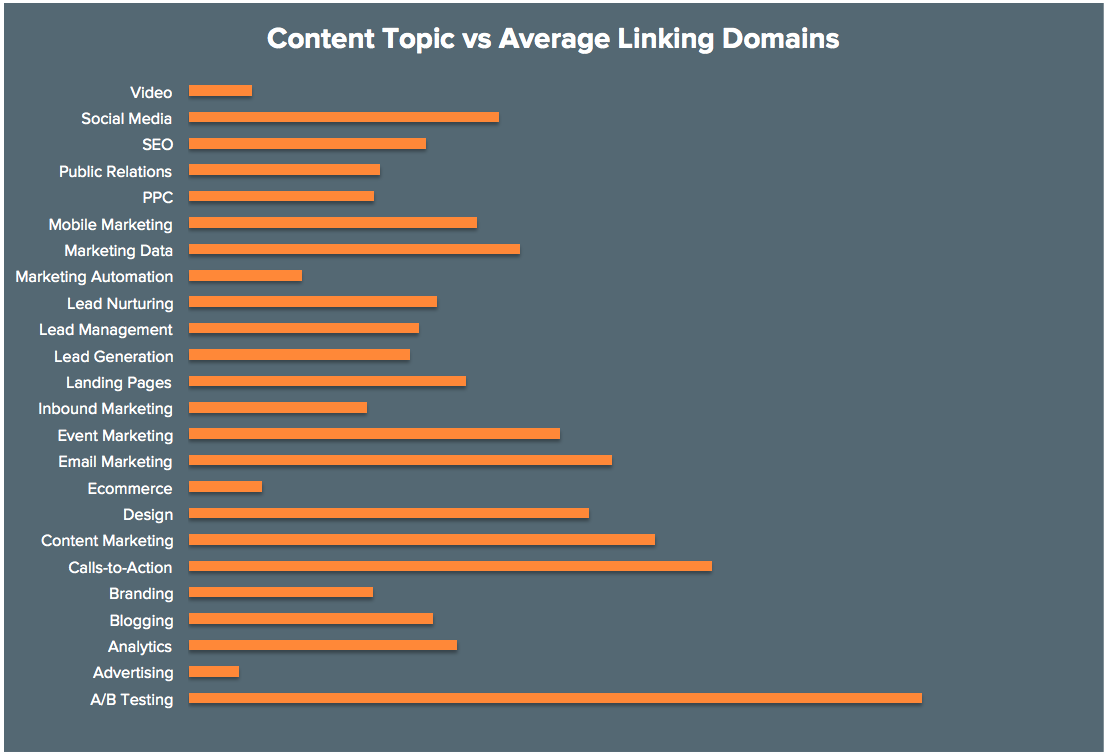
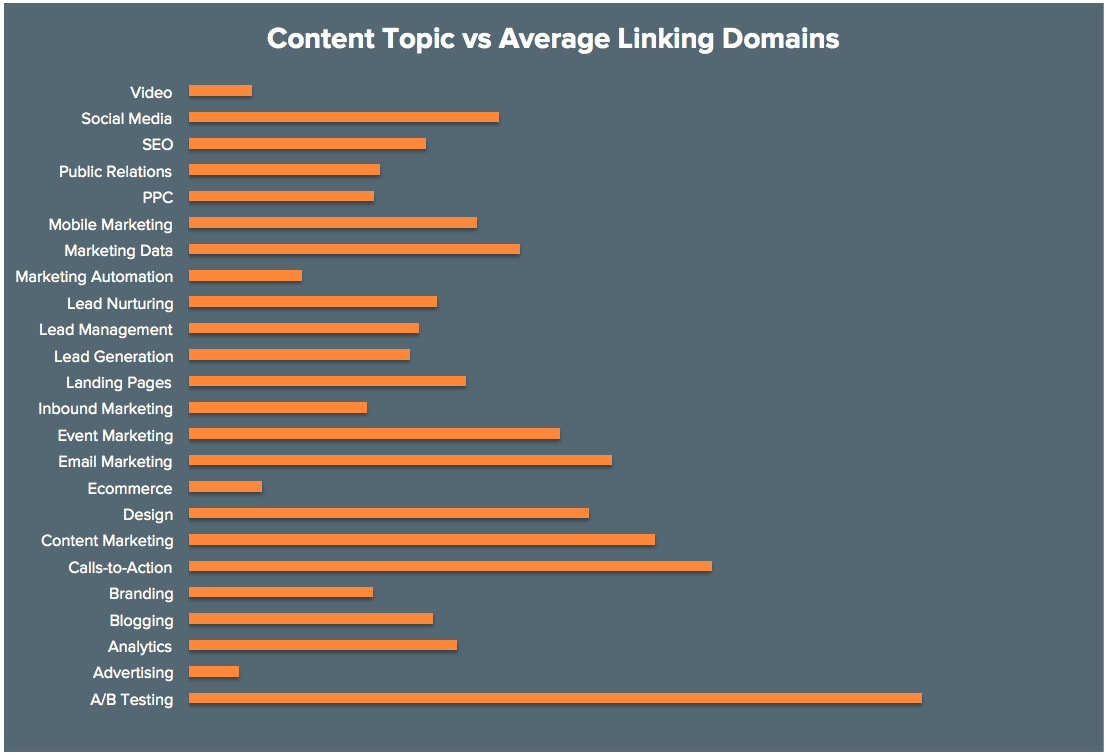
The subject matter of your blog post is another critical factor in its performance. Not all topics are created equal when it comes to earning inbound links. The analysis of linking domains reveals that certain topics consistently attract more links than others. Articles focused on A/B testing, calls-to-action, content marketing, email marketing, and design are the most linkable. These topics are central to the marketing industry, making them highly relevant to a wide range of publishers and bloggers.
Choosing the right topic is about balancing relevance with demand. You want to write about subjects that your target audience cares about, but also those that other publishers are likely to reference. Technical, how-to, and best-practice topics tend to earn more links because they provide authoritative information that others want to cite. By focusing on these high-link-potential topics, you can build a stronger backlink profile over time.
Building Authority Through Niche Topics
While broad topics like content marketing are popular, niche topics can also drive significant link acquisition if they are executed well. The key is to provide unique insights or data that are not readily available elsewhere. When you offer something new or different, you become a primary source for that information. This increases the likelihood that other sites will link to your content as a reference. The goal is to become the go-to resource for specific questions within your industry.
The Role of Anchor Text and Backlinks
Backlinks remain one of the most important ranking factors for search engines. However, not all links are equal. The anchor text used in a link—the clickable text that points to your page—plays a significant role in how search engines interpret the relevance of your content. The data shows that top-performing blog posts have a higher proportion of exact-match and partial-match anchor text compared to lower-performing posts.
Exact-match anchor text occurs when the anchor text is identical to the target keyword. Partial-match anchor text includes the target keyword within a broader phrase. The analysis reveals that top posts have 1.10% exact-match and 20.86% partial-match anchor text, compared to 0.60% and 11.56% for average posts. This suggests that a diverse, natural link profile with relevant anchor text correlates with higher organic traffic.
The Volume of Links Matters
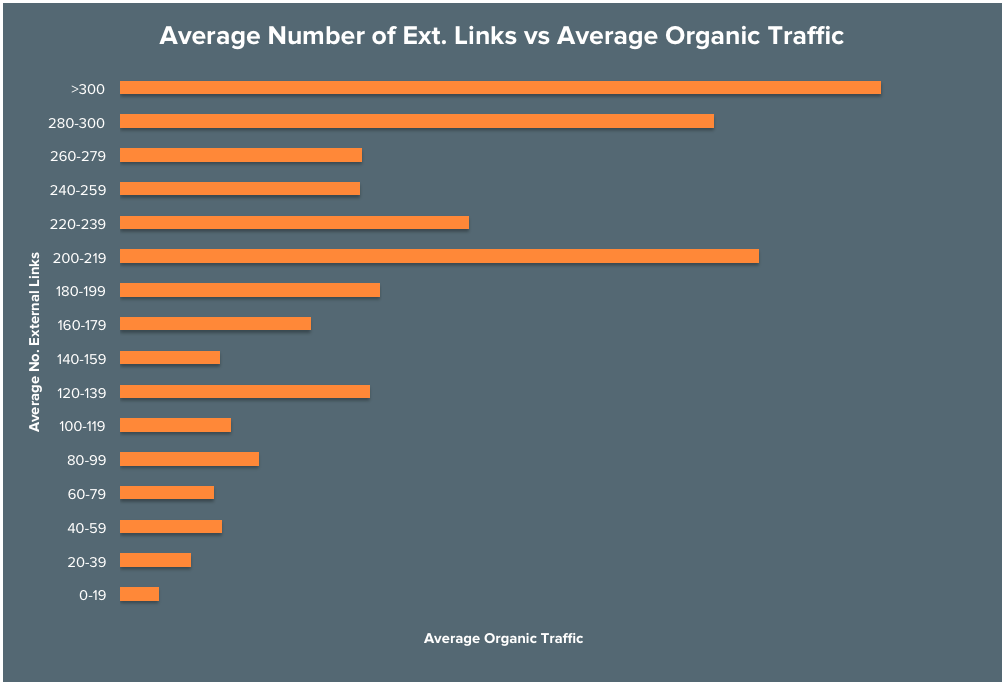
The sheer number of external links pointing to a page is also a strong predictor of success. Posts with 300 or more external links generate the most organic traffic and social shares. This highlights the importance of building a robust backlink profile over time. It is not just about the quality of individual links, but also the cumulative volume of links that signal authority and relevance to search engines.
There is also a clear correlation between social shares and inbound links. Pages with more social shares tend to earn more links. While social shares are not a direct ranking factor, they increase the visibility of your content, making it more likely to be discovered and linked to by other publishers. This creates a virtuous cycle where social engagement drives link acquisition, which in turn drives organic traffic.
Strategic Takeaways for Content Creators
The insights from this data analysis provide a clear roadmap for creating high-performing content. First, aim for depth. Write comprehensive articles that thoroughly address your topic, targeting a word count of 2,250 to 2,500 words. This not only satisfies search engines but also provides more value to readers, increasing the likelihood of shares and links. Second, craft your titles carefully. Use concise, punchy headlines for Twitter and slightly longer, descriptive titles for Facebook. Incorporate power words like “Template” or “Infographic” to boost social engagement.
Third, choose your topics wisely. Focus on subjects that are central to your industry and likely to be referenced by other publishers. A/B testing, best practices, and how-to guides are excellent choices for earning inbound links. Fourth, build a diverse backlink profile. Encourage natural links with relevant anchor text, and leverage social media to increase the visibility of your content. The goal is to create a sustainable content strategy that drives long-term growth.
Implementing Data-Driven Content Strategies
Implementing these insights requires a shift from intuition-based to data-driven content creation. Start by auditing your existing content to identify gaps and opportunities. Look for topics that are underperforming and consider updating them with more depth and detail. Use the title optimization techniques to refresh your headlines and improve social sharing. Finally, develop a link-building strategy that focuses on creating valuable, linkable assets.
By aligning your content strategy with these proven patterns, you can increase your brand’s visibility and authority in your industry. The data shows that success in content marketing is not a matter of luck, but of strategy. When you understand the mechanics of what makes content perform, you can create material that consistently delivers results. This is the foundation of a robust, sustainable content marketing program.
Final Thoughts on Content Performance
The analysis of blog post performance reveals that there are clear, data-backed strategies for creating content that drives traffic, earns links, and generates social shares. These strategies are not secrets, but rather best practices that have been validated by extensive data. By focusing on depth, title optimization, topic selection, and backlink acquisition, you can significantly improve the performance of your content.
Remember that correlation does not equal causation. These insights provide guidance, but they are not guarantees. Other factors, such as brand authority, audience engagement, and distribution channels, also play important roles. However, by aligning your content with these proven patterns, you increase the probability of success. The goal is to create content that is valuable, relevant, and shareable, which naturally leads to better performance across all metrics.
As you develop your content strategy, keep these insights in mind. Use data to inform your decisions, but also trust your understanding of your audience. The most successful content is not just optimized for algorithms, but also for the people who read it. By balancing data-driven insights with genuine value, you can create content that resonates with your audience and drives meaningful results for your business.





