Use AI Citation Tracking Tools to Dominate Answer Engines
You’ve spent hours refining your content, only to watch a generative AI engine deliver an answer that promotes your competitor as the industry standard. Your brand is missing, not because your content lacks quality, but because you lack visibility into the AI’s selection process. This silent exclusion is a reality many marketers face as traditional search traffic shifts.
To regain control, you must shift your focus from classic search ranking to algorithmic authority. By utilizing AI citation tracking tools to monitor and increase visibility, you can demystify why models prioritize certain sources. These tools bridge the gap between your content and the AI’s synthesis, transforming your brand from an invisible bystander into a trusted source.
Why AI Citation Tracking is the New Frontier
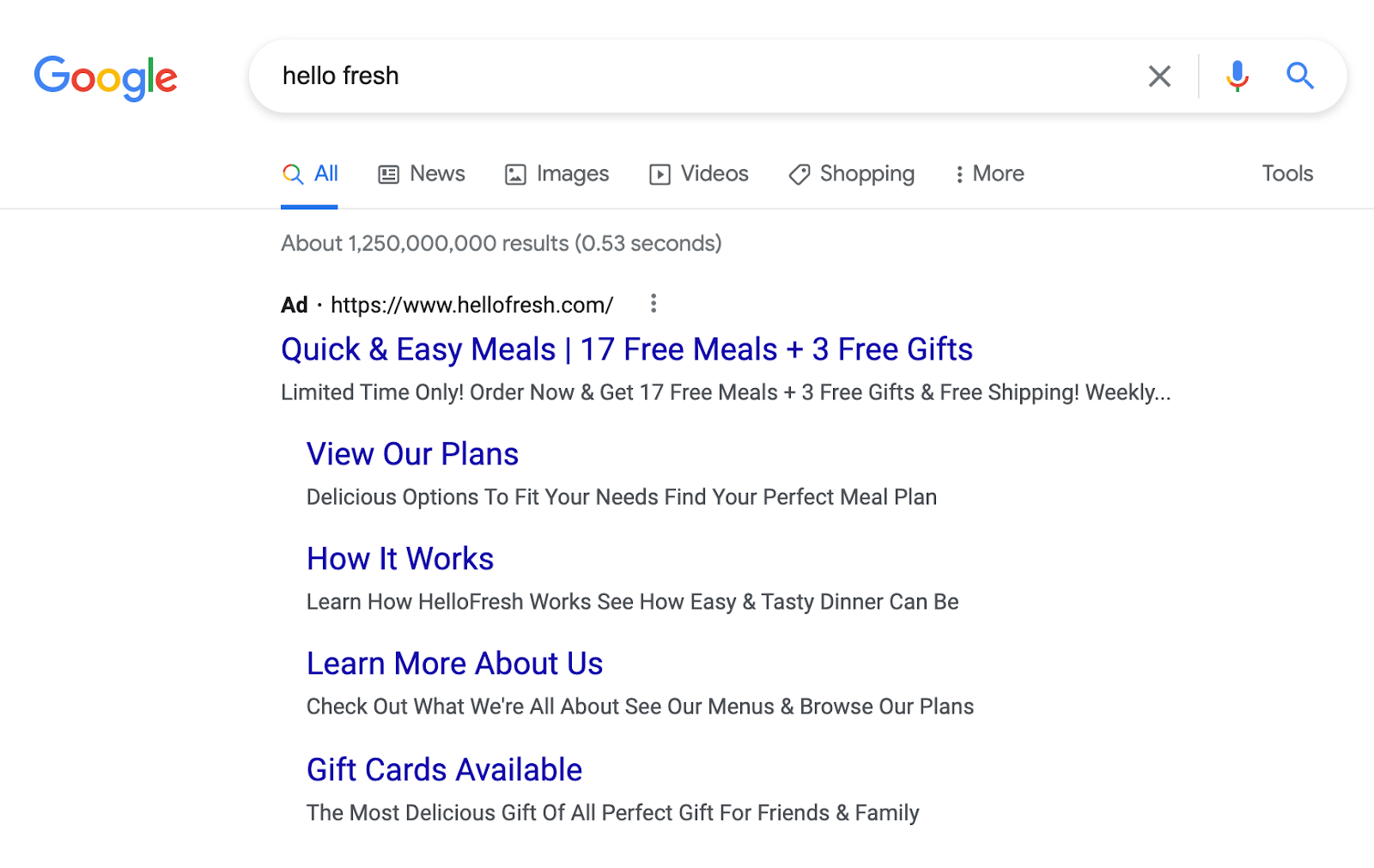
For years, the gold standard was simple: rank in the top ten blue links. Today, that paradigm is changing as generative AI models synthesize information into conversational answers. This era requires you to utilize AI citation tracking tools to monitor and increase visibility where it counts.
Beyond Traffic: Building Algorithmic Credibility
Unlike legacy search where a click is the primary metric, AI citation tracking establishes your brand as a trusted authority. When an LLM like ChatGPT or Perplexity cites your brand, it endorses your content as the ground truth.
This isn’t just about driving immediate traffic. It is about AI visibility monitoring, ensuring that when users ask complex, synthesis-heavy questions, your brand appears as the expert. Being cited repeatedly across different prompts helps solidify your brand as an entity the AI trusts.
SEO vs. AEO: A New Mindset
Traditional SEO focuses on appearing in a list of links. Conversely, Answer Engine Optimization (AEO) is the practice of structuring content so LLMs easily extract, summarize, and attribute information to you.
| Feature | Traditional SEO Monitoring | AI Citation Tracking |
|---|---|---|
| Primary Goal | Top rankings & click-throughs | Brand mentions & authority |
| Engine Interaction | Navigational clicks | Synthesized answers |
| Key Metric | Organic traffic | Share of voice in AI |
| Success Indicator | High CTR | Citation frequency |
Why You Need to Start Tracking Now
If you are not tracking these citations, you are flying blind in an AI-dominated landscape. You might rank first for a term, but if an AI summary cites a competitor, that competitor captures the authority. By integrating an answer engine optimization strategy, you can identify which content assets perform well in AI answers. Understanding this shift is the first step toward reclaiming your influence in the digital ecosystem.
Decoding the Different Types of AI Citations
Understanding how generative models reference your brand is more complex than tracking standard backlinks. To truly measure your impact, you need to categorize citations beyond simple hyperlinks.
Defining the Three Tiers of AI Visibility
Most marketers believe that if a model doesn’t provide a direct link, they aren’t being cited. In reality, models often credit brands in ways that influence user perception without generating a single referral click.
| Citation Type | Definition | Visibility Impact |
|---|---|---|
| Direct Source Link | The AI provides a clickable URL. | High |
| Brand Entity Mention | The model mentions your brand name. | Medium |
| Semantic Reference | The AI adopts your unique terminology. | High |
Direct source links mimic traditional traffic patterns. However, brand entity mentions are vital for long-term health. When an AI identifies your company as a leading authority, it builds trust that drives branded searches. Semantic references are the most subtle; the model adopts your concepts, making your brand the industry standard.
The Blind Spot in Modern Tracking
The danger for most growth teams is relying on legacy SEO software to track brand mentions in AI answers. Most standard tools look for URL strings. If an AI identifies your brand but fails to append a link, the standard tracker reports a zero. This oversight distorts your answer engine optimization strategy.
Why Entity Consistency Matters
AI models rely on “entity resolution”—linking various mentions back to a single, authoritative source. To ensure the model recognizes your brand:
- Standardize your name: Use the exact same branding in every H1 and meta description.
- Authoritative Footprinting: Ensure your business entity is clearly defined in structured data (Schema).
- Expert Consensus: The more third-party sites that describe your brand consistently, the more confident the model becomes.
Must-Have Capabilities for Your AI Citation Tracking Toolkit
When evaluating AI citation tracking tools to monitor and increase visibility, you need a toolkit that understands how models think.
The Necessity of Multi-LLM Coverage
One of the biggest mistakes is relying on a single engine for AI visibility monitoring. You might be the top-cited source in ChatGPT but invisible in Gemini. Your toolkit must support a broad spectrum of LLMs to provide a true share of voice across the landscape.
Mastering Prompt Variation
The beauty of generative AI is its dynamic nature. A small change in phrasing triggers a different response. Your toolkit must allow for prompt variation testing to see how your brand appears under different search intents. Testing these variations reveals whether your brand is an authoritative entity or just a generic result.
From Data Logs to Actionable Optimization
A modern AEO tool should function like a content strategist. When you track brand mentions in AI answers, the tool should answer what content needs to be updated.
| Feature Requirement | Why It Matters |
|---|---|
| Model-Specific Performance | Different engines favor different content. |
| Prompt Sensitivity Testing | Understand how phrasing shifts visibility. |
| Content Gap Analysis | Identifies topics lost to competitors. |
| Direct Remediation Steps | Provides actionable update steps. |
Framework: Scoring and Selecting Your AEO Tooling
Choosing technology to master generative search is a strategic decision. To navigate the landscape of AI citation tracking tools to monitor and increase visibility, we propose a 4-dimensional scoring framework.
The 4-Dimensional Scoring Framework
- Engine Breadth: Does the tool cover the major LLMs?
- Integration Capability: Can it trigger alerts or suggest edits in your CMS?
- Actionability: Does it explain why you aren’t cited based on semantic gaps?
- Cost/Value: Does the ROI justify the subscription through time saved and traffic growth?
Comparing Tool Classes
| Criteria | Entry-Level | Professional | Enterprise |
|---|---|---|---|
| LLM Coverage | Limited | Moderate | Full Suite |
| Data Refresh Rate | Quarterly | Weekly | Daily |
| Workflow Depth | Manual | Automated | Native |
| Cost Range | Low | Moderate | Premium |
When you evaluate these tools, remember that visibility in generative search is an ongoing commitment. By selecting a platform that balances technical depth with your team’s ability to act on the data, you turn the “black box” of AI answers into an actionable opportunity. Start benchmarking your current AI footprint today to ensure your brand remains central to the evolving search narrative.
AEO/GEO
Want to learn more?
Contact us for direct consultation and support.