Where to Start with AI: A Practical Guide for GTM Teams
You are staring at your third cup of coffee, tabs open for six different AI writing assistants, a fancy video generator, and an automated research bot that promised to save you ten hours a week. Instead of feeling productive, you feel paralyzed. Your team is pinging you about which tool is compliant, nobody knows who is paying for which subscription, and that workflow is still just a draft in your notes. We have all been there—chasing the next shiny object because we are terrified of falling behind in the AI race.
The truth is, you aren’t falling behind because you lack tools; you are stalling because you are trying to “do AI” rather than solving a specific business problem. Technology is the vehicle, not the destination. To move beyond the hype and see actual ROI, you need a different approach. Where to Start with AI: A Practical Guide for GTM Teams is designed to shift your focus from the software to the bottleneck. By identifying one recurring pain point and applying the right AI solution, you stop collecting subscriptions and start building efficiency.
The ‘Problems-First’ Mindset: Why Most AI Initiatives Fail
Many Go-To-Market (GTM) teams approach artificial intelligence like a kid in a candy store. They see a new generative tool, get excited about its potential, and try to force it into every corner of their workflow without a clear goal. This “shiny object syndrome” is the most common reason GTM team AI adoption stalls. When you lead with technology rather than a specific business objective, you aren’t implementing a solution; you are just creating more work for a team that is already stretched thin.
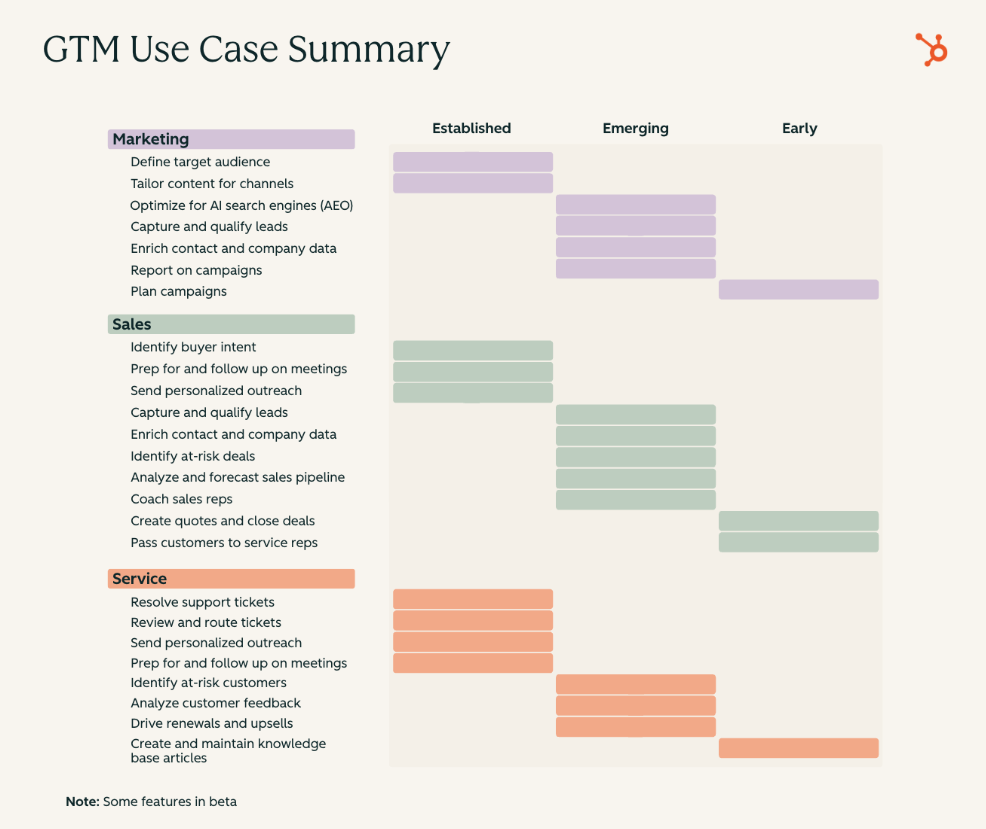
When you introduce AI without a clear business case, you encounter skepticism. Your team isn’t naturally resistant to efficiency; they are resistant to “solutions” that add friction to their day. If an AI tool adds three extra steps of manual verification for a process that was already functional, your team will rightfully view it as an unnecessary burden. This misalignment creates a culture where AI is seen as a toy for leadership rather than a utility for the worker.
The Methodology: Pinpointing the Bottleneck
To succeed, you must flip your perspective. Stop trying to “do AI” and start identifying where your current engine is grinding to a halt. A successful AI implementation for marketing or sales begins with a granular audit of your existing manual processes.
- Map Your Workflow: Document a standard process—like creating a sales follow-up or drafting a blog post—step-by-step.
- Identify the Time-Suck: Look for the most repetitive, low-value task within that process. Are reps spending two hours a day updating CRM fields? Are marketers taking three days to reformat content for different channels?
- Apply the Tool: Only after you have identified that specific, recurring bottleneck do you select an AI tool to solve it.
By using this methodology, you ensure that the AI is directly contributing to how to use AI for business efficiency. You aren’t just adding tech; you are subtracting busy work.
Starting Small to Build Momentum
The secret to long-term adoption is proving value early. Instead of a massive, company-wide rollout, pick one small team or one specific task to automate. When your team sees that an AI agent can reliably summarize meeting notes or generate basic first drafts, their skepticism evaporates.
Success breeds confidence. Once you solve one bottleneck, you create a repeatable template for future AI tools for sales teams or marketing squads. You aren’t just saving time; you are building an “AI-first” muscle memory that makes the next, more complex implementation significantly easier.
AI for Marketing: From Manual Tasks to Scalable Content Engines
Once you have identified a bottleneck, AI implementation for marketing shifts from an abstract concept to a tangible productivity engine. The goal isn’t just to do tasks faster; it is to create a compounding effect where a single strategic asset fuels multiple channels simultaneously.
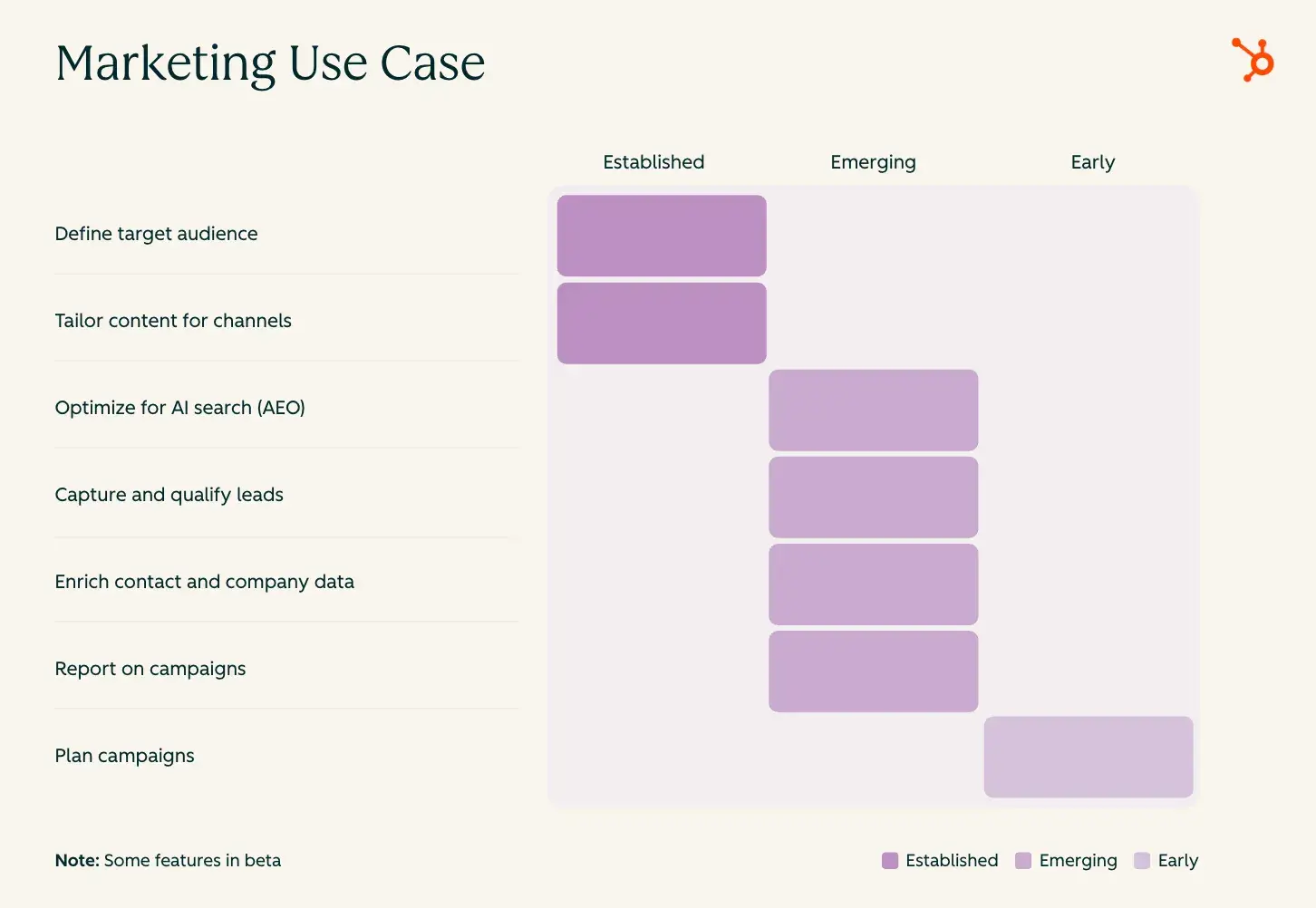
Mastering Content Repurposing at Scale
Content creation often stalls because teams treat every channel as a unique, manual endeavor. Instead, use AI to transform a single high-value asset—like a deep-dive research report or a webinar—into a suite of tailored content.
AI can analyze the core themes of a long-form whitepaper and automatically generate a thread of social media posts, a script for a short-form video, or a series of newsletter segments. This process ensures your brand voice remains consistent while you maintain a high volume of output across platforms.
Moving Beyond Demographics to Real-Intent Targeting
Traditional audience segmentation relies on static data like job titles or company size. AI changes the game by analyzing behavioral data to understand real-intent targeting. By feeding your CRM data into an AI tool, you can identify patterns that suggest a lead is ready for conversion, even if they don’t fit your ideal demographic profile. AI identifies signals like frequent visits to your pricing page, interactions with technical documentation, or repeated downloads of comparison guides.
The AEO Mandate: Visibility in the Generative Era
Answer Engine Optimization (AEO) is no longer optional. Modern users expect immediate, synthesized answers from tools like ChatGPT or Perplexity, rather than a list of blue links. AEO is the practice of structuring content to answer specific user queries directly to improve AI search visibility. To win here, your content must be structured to answer specific user questions directly. Use AI to scan your existing library and identify gaps where your content fails to provide a concise, direct answer to common industry questions.
| Task | Manual Workflow | AI-Augmented Workflow | Efficiency Gain |
|---|---|---|---|
| Content Repurposing | 6–8 hours per asset | 30–60 minutes | High (8x faster) |
| Audience Segmentation | Manual list filtering | Automated intent scoring | High (Real-time) |
| Search Optimization | Keyword stuffing/manual SEO | AEO (Answer-focused) | High (Visibility) |
| Lead Qualification | Manual CRM entry | Automated trigger alerts | Medium (Faster) |
Supercharging Sales: Automating Research and Relationship Building
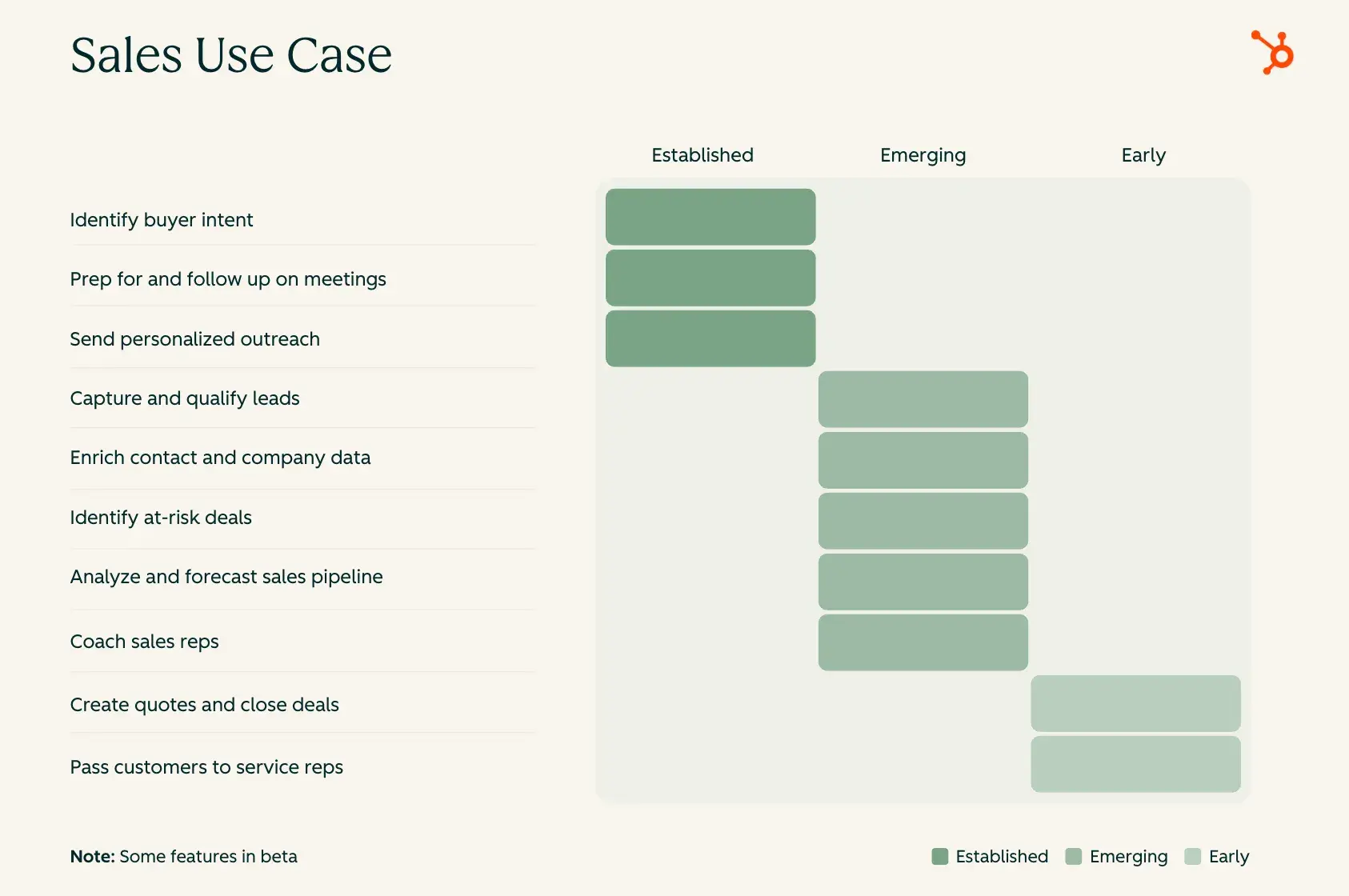
When your sales team spends more time updating spreadsheets than talking to prospects, revenue growth stalls. The most effective AI tools for sales teams are high-leverage engines designed to dissolve the friction of administrative work and surface intelligence that humans would otherwise miss.
Eradicating the Admin Burden
The admin burden is the silent killer of quota attainment. Research suggests that the average sales representative spends less than 40% of their time actually selling. By integrating AI-powered transcription and CRM-syncing tools, you can automate these repetitive tasks. These platforms automatically capture call recordings, transcribe the conversation, and generate structured summaries that flow directly into your CRM.
Mastering Buyer Intent Signals
AI allows you to move from guessing to knowing. By monitoring external data points—such as a prospect’s recent job changes, funding announcements, or increased traffic to your pricing page—AI tools alert your reps to the perfect outreach moment. This transforms a generic sales message into a timely, relevant conversation starter that significantly increases your likelihood of getting a response.
Sales Bottlenecks vs. AI Solutions
| Sales Bottleneck | The Traditional Struggle | The AI-Augmented Solution |
|---|---|---|
| Manual CRM Entry | Hours of data logging per week | Auto-syncing transcription and CRM updates |
| Missed Buyer Signals | Relying on intuition or manual research | AI-triggered alerts on intent and behavior |
| Inconsistent Coaching | Limited manager-to-rep bandwidth | Scalable, data-driven call analysis and feedback |
| Pre-call Research | Fragmented data across multiple tabs | Automated account summary generation |
Customer Service Excellence: Balancing Automation and Empathy
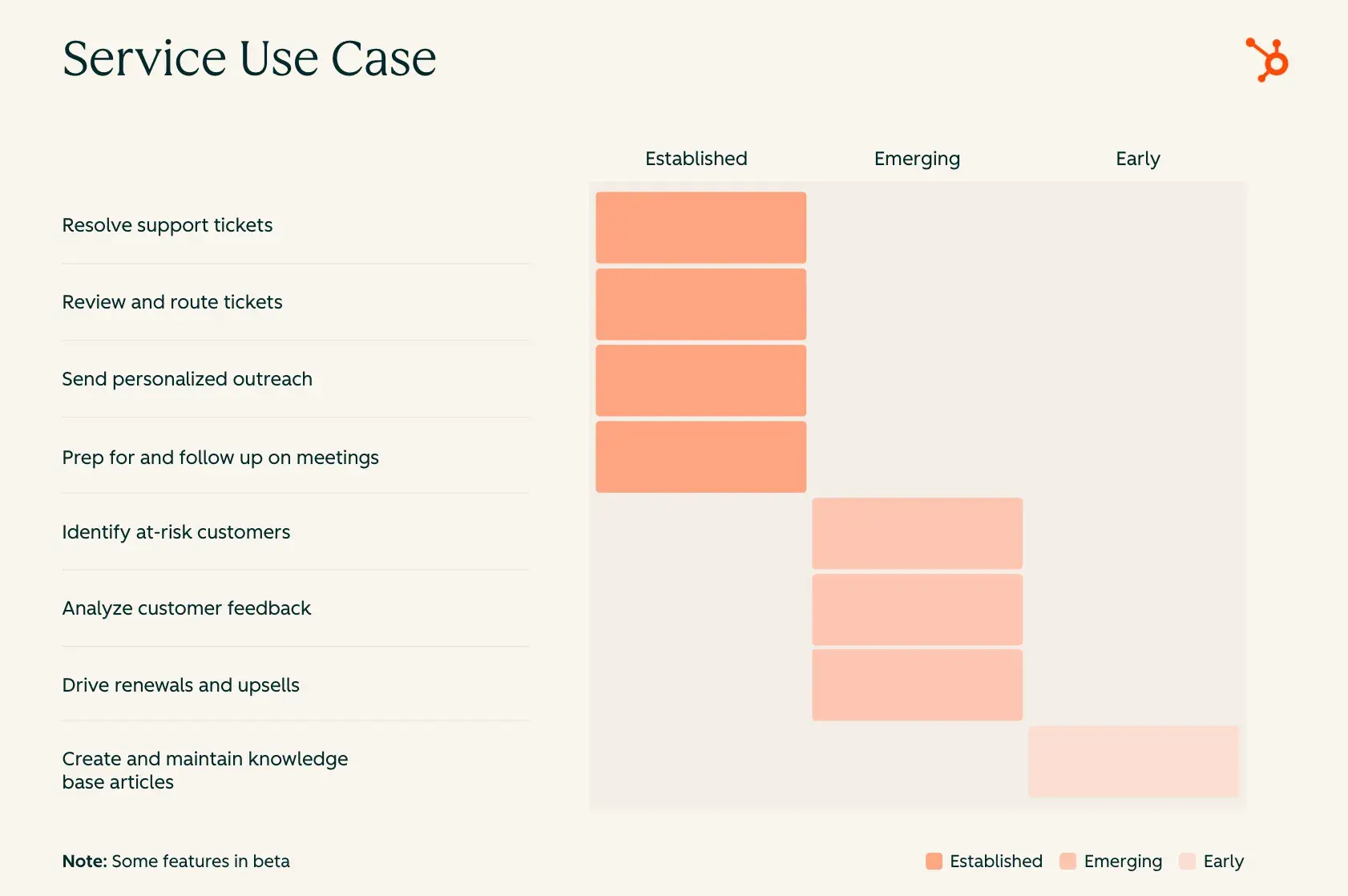
Implementing an effective AI in customer service strategy requires a delicate balance: using technology to eliminate operational friction while amplifying the human connection that drives loyalty.
Scaling Support Without Losing the Human Touch
The goal of scaling support isn’t to replace your team, but to free them from the robotic parts of the job. By deploying AI to handle routine, high-volume inquiries—such as order status updates, password resets, or basic shipping questions—your support agents gain hours back to focus on high-stakes, empathetic interactions.
Intelligent Ticket Routing and Triage
AI-driven ticket routing ensures that every issue is analyzed the moment it arrives. AI categorizes tickets based on intent, sentiment, and complexity. By automatically directing technical inquiries to your tier-two specialists and billing disputes to the finance-support team, you reduce internal transfers and get the customer to the right expert instantly.
Your “Low-Hanging Fruit” Automation Checklist
To begin your AI implementation for marketing and service success, start with these quick, actionable wins:
- Automated Summarization: Use AI to generate instant summaries of long support threads.
- Dynamic FAQ Generation: Automatically convert successful support responses into knowledge base articles.
- Draft Assistance: Use AI to suggest responses based on your existing documentation.
- Sentiment Flagging: Set up automated triggers that notify a manager when an incoming message contains negative keywords.
Choosing the right path forward means letting go of the pressure to automate every process overnight. Artificial intelligence is a powerful tool to amplify the strategy you already have. When you stop chasing shiny objects and start with a clear, painful bottleneck, the complexity of AI melts away. Identify one persistent, time-consuming task this week and test a small, AI-assisted solution. By starting small and solving one problem at a time, you build the confidence and repeatable results necessary to scale. The most effective AI journeys begin with the courage to fix one thing today.
AEO/GEO
Want to learn more?
Contact us for direct consultation and support.